An Apple Snack for the Afternoon
Start with an apple whose texture suits the moment, then decide whether you want a fresh wedge, a cool plate with something savory, or a skillet of warm fruit.
8 min read
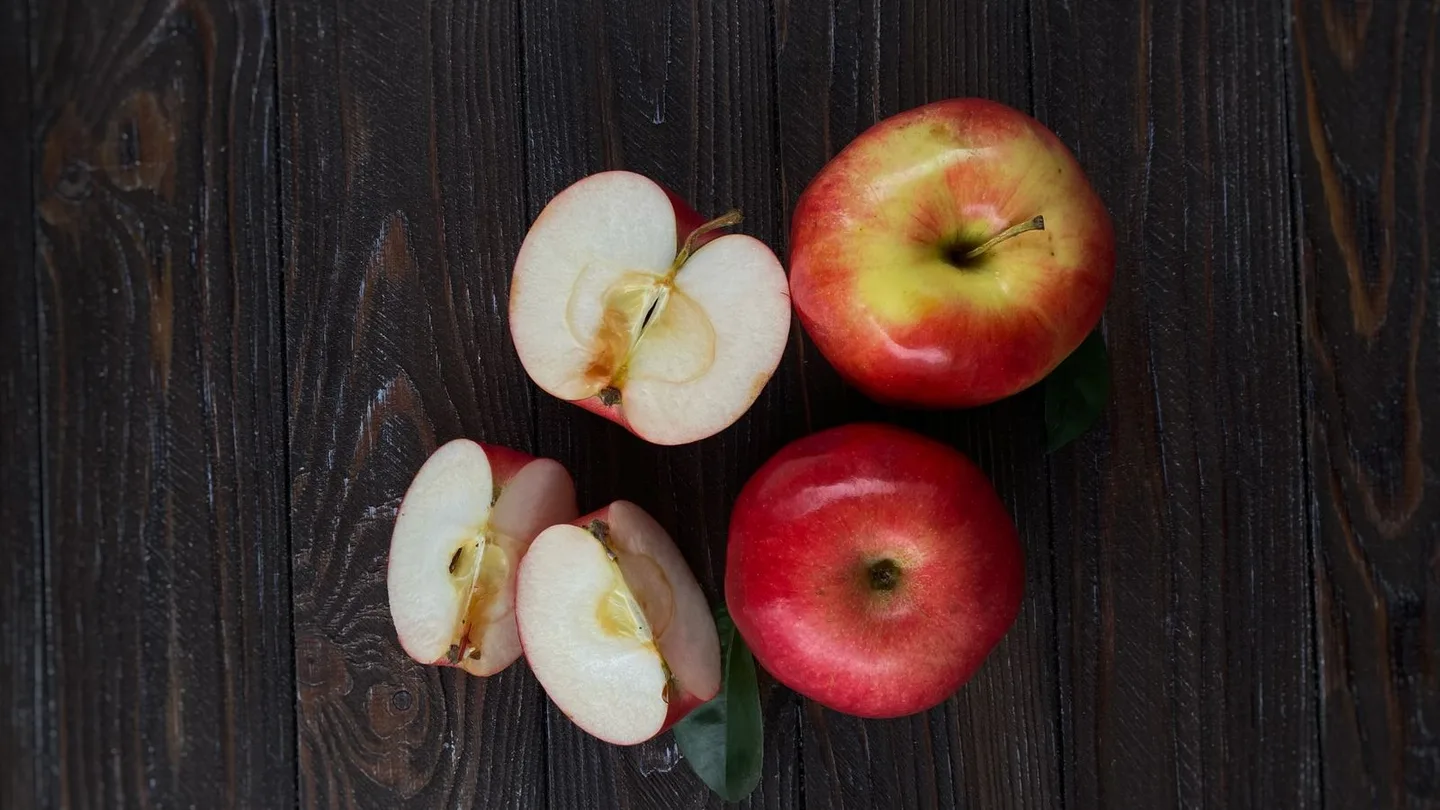
An apple is one of the few snacks that arrives in its own container. It can spend much of the day whole in a bag and then be eaten without needing a plate. That convenience can hide how much variety an apple offers. A brisk, tart one can carry a small piece of cheese. A dense sweet apple cuts into wedges that can be dipped. An apple that has lost some crispness but is still sound might be more enjoyable in a warm skillet than in a paper bag. There is a useful snack at each of those stages if you stop judging the fruit by whether you would want to eat it whole.
Start by trying a few apples side by side when they are available. Two fruits can have almost the same color and completely different flesh. One may release juice immediately and crack under the first bite. Another may have a drier, finer texture and a smell that reminds you of flowers. Neither of those qualities depends on the apple looking perfect. A small patch of russet can be an ordinary part of a variety's skin. Avoid extensive damage, soft areas, and signs of spoilage. Wash the whole fruit under running water before you cut or eat it. Keep the rest cool and look through the bag periodically so one deteriorating apple does not become a surprise.
Choose a shape that fits how you will eat it
A whole apple is easy to carry but can be awkward to eat when you have only a few minutes. Wash and dry it, cut one cheek off each side of the core, then cut the remaining narrower sides. The broad cheeks can lie flat on a board and give you three or four clean wedges each. For a plate with a dip, make the pieces thick enough to grip. For a slice of toast, cut much thinner pieces and overlap only their tips. A thick piece that falls off the toast and a thin piece that disappears into the dip both started with the same fruit. Change the cut rather than the ingredient.
Freshly cut apple can brown after exposure to air. If you are preparing it for later, a little lemon juice diluted with cold drinking water can help slow that change. Coat the cut faces and drain them well, then pack the pieces chilled in a clean container. Test how much lemon you prefer. An apple that was quite tart before you cut it may need only brief contact. If the appearance is important and you have access to a clean board at snack time, take the fruit whole and slice it at the last moment. You get the crispest edge and can serve it without carrying a separate container of cut fruit.
At home, try serving a short stack of wedges on a small plate while the rest of the apple is still whole. Cut the second half if you are hungry for it. There is no need to treat a very large apple as one predetermined portion. A small apple can be enough on its own or gain a second texture from a few plain crackers or a little yogurt. If the apple is meant to travel with a perishable ingredient, keep both safely chilled. A whole apple without another perishable food is easier to take along when you cannot rely on an insulated bag or a refrigerator.
If a cut apple is going to be shared, use a clean small plate and leave a little space around the wedges. People can pick up one without touching the rest. Offer a second round if the first goes quickly. That keeps the unused part of the fruit intact, where its exposed surface is smaller and it is easier to wrap and chill.
Let a savory ingredient change the last bite
Taste the apple before setting out anything else. A tart apple wants something relatively rich. A sweet one can work with a sharper cheese or a thin line of whole-grain mustard. Start with a couple of wedges and a small amount of whatever you choose. A thick wedge with a small corner of aged cheddar is easy to eat because the cheese stays in the mouth after the fruit's juice. A thin wedge with soft cheese spread on the cut side has a more even texture. Add pepper at the table if it appeals. The first bite should still taste of the apple itself.
A spoonful of smooth seed or nut butter can turn the fruit into something that takes a little longer to eat. Set it beside the wedges instead of spreading it across all of them. The wet fruit can make a spread slip, and a thick layer hides the texture of the flesh. Put a small dab on one piece and try it. If the butter is exceptionally thick, it may work better on a cracker with the apple alongside. Use options suitable for the people eating, especially where allergies or shared kitchens matter. A separate bowl is easy to identify and useful if you are sharing several things.
If a snack has to occupy a larger plate, use another crisp component that tastes different. Put apple wedges next to celery sticks and a few pieces of cheese, or tuck thin apple slices into a small sandwich with sturdy lettuce. A plate with both celery and apple can do without a strongly sweet spread. The two crisp ingredients already differ in flavor and leave room for plain cheese or a savory dip. A sandwich is better eaten soon after assembling, before the fruit softens the bread. Serve wedges separately when the bread will have to sit.
Put the less crisp fruit over gentle heat
A sound apple that has become slightly mealy can be worthwhile once cooked. Wash, core, and cut it into roughly even wedges. Decide whether to peel by the thickness of its skin. A thin skin can stay and help each piece hold together. A tough skin tends to stay intact after the middle has softened, which is less pleasant on a small fork. Put the wedges in a skillet with a tablespoon or two of water. Cover briefly over medium heat to let the steam soften the surface. Add another spoonful if the first has evaporated while the fruit is still very firm.
Remove the lid when the pieces bend slightly. Let the remaining liquid evaporate. Add a little butter or neutral oil if you want a warmer finish and turn the wedges once. The side touching the pan may take on some color. Keep the heat moderate enough that the fruit's juices do not immediately scorch. Finish with a pinch of cinnamon or grated lemon zest. Taste before adding sugar. A warm piece can seem sweeter once it has softened, and a spoonful of yogurt or a little toasted oat crumble may be all the extra flavor it needs. The aim is a warm plate of fruit you can pick up with a fork.
If you are cooking for more than one person, keep the wedges fairly large so they can be divided easily. In a wide skillet they have space to cook without turning into a pile of broken pieces. If all the apples are different, group firm slices together and put them in first. A delicate apple may soften in the time it takes a dense one to warm through. Move the finished pieces to a plate as they are ready. This is one occasion when tasting from the pan tells you more than sticking to the exact cooking time from another batch.
Decide before you buy a full bag
A bag is convenient when several people like the same apple or when you expect to cook some of them. If you have only one afternoon snack to plan, buy a couple loose and try a different kind next time. Ask how an apple feels when it is ripe if you are shopping at an orchard or stand and have a chance to speak to the grower. They may describe a good eating apple in terms of acidity, snap, or when it was picked. A grocery label has less room to tell that story. Buy a small number when you do not know the answer, and compare the flesh of two that have reached a similar temperature.
A short written list can help a household remember which kinds it likes. Record something you would recognize later, such as firm enough for a bag lunch or sweet enough for a warm skillet. That note will be more useful than a ranking when the first choice is unavailable. It also lets people differ. Someone who wants a brisk eating apple may never pick the soft one their family likes to cook. Buying one of each can make more sense than looking for a single apple that succeeds at both jobs.
An afternoon snack is a small part of the day, so there is no reason to make it demanding. Carry the fruit whole when you need to leave quickly. Slice it when a couple of small pieces of cheese or a leftover dip can share a plate. Cook it gently when a little warmth and a softer texture are the things you actually want. The fruit is still the center of the snack. You have simply given it the sort of company that makes the next bite worth taking.