The Bitter Edge of Grapefruit
One grapefruit holds several distinctly useful flavors. Use the flesh in a salad, its juice in a dressing, or its peel to perfume sugar.
7 min read
If you cut an orange and a grapefruit on the same board, the orange is likely to leave behind a sweet smell. The grapefruit leaves an impression of something sharper. Its peel announces itself when the knife breaks the skin. Its juice can smell almost floral while its white lining tastes insistently bitter. A kitchen with one ripe grapefruit can take advantage of all of these qualities, provided the cook chooses where to put them. The easiest way to start is to cut a small piece, eat it, and decide how much company it needs on the plate.
People taking medication should check the label or ask a pharmacist or clinician whether grapefruit is suitable. The U.S. Food and Drug Administration notes that grapefruit and its juice can interact with some medications. Recipes use grapefruit because of the flavor, and a sweet orange can give many of the ideas here a gentler citrus character when it is suitable for the people eating. Keep that decision separate from any attempt to make a particular grapefruit taste sweeter.
Open the fruit without dragging the pith through it
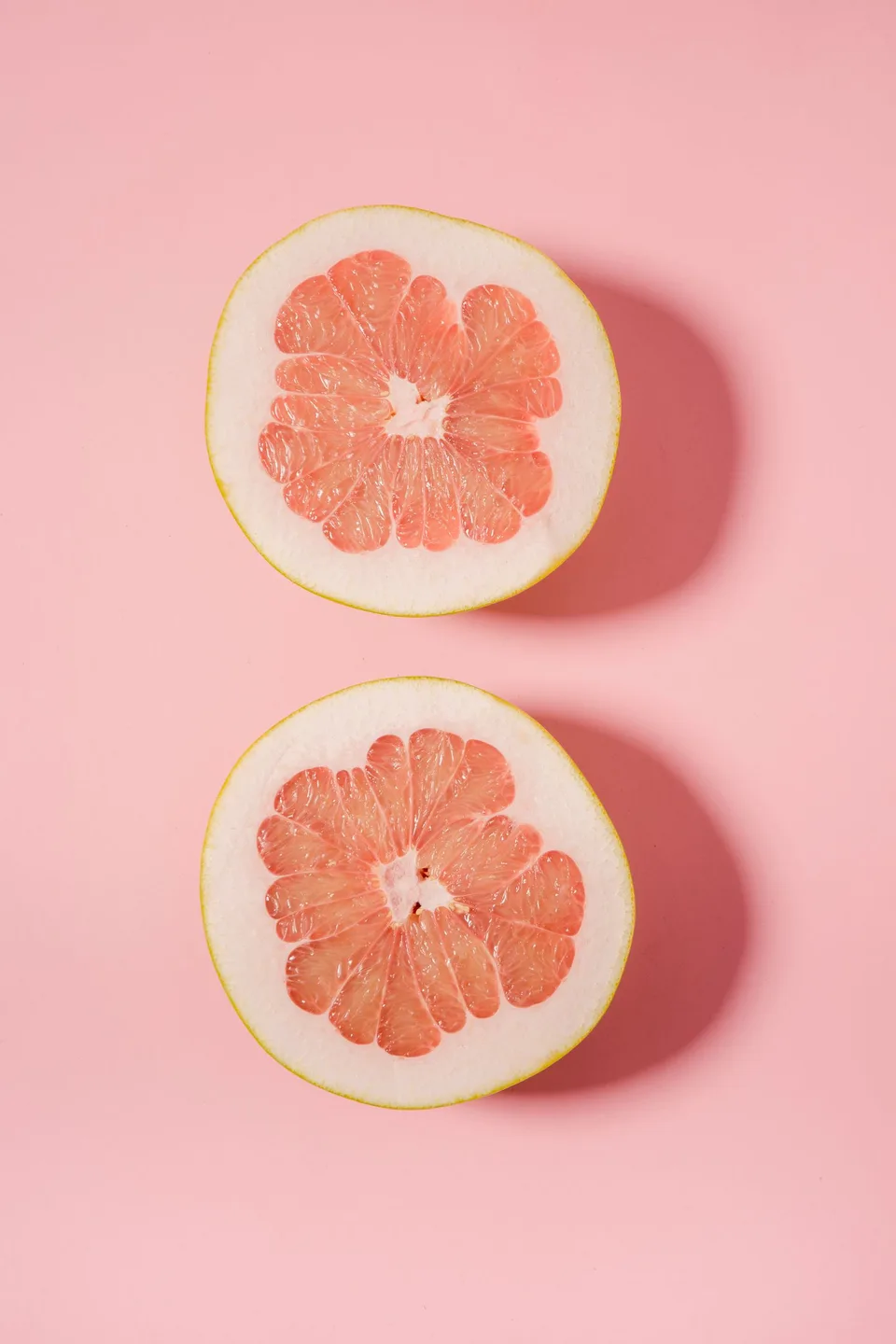
Rinse and dry the outside of the grapefruit first. A serrated knife is helpful for halving it across its equator, especially if the rind is thick and the knife catches as it goes down. With the fruit cut side up, look for the thin pale dividers running out from the center. A small spoon will often slide along each divider, though a short paring knife makes the first separation easier. Keep your fingers away from the blade and give the fruit a nonslip base. Put a small piece on a plate before adding sugar or anything else. A pink or red grapefruit can still have a firmly bitter finish, and an unassuming pale one can be unexpectedly sweet.
For fruit you want to serve in a salad, cut off a shallow slice at both ends until a little flesh is visible. Set the fruit on one flat end. Follow the curve of the rind with a sharp knife, taking broad strips off from top to bottom. Keep the fruit steady and turn it as you work. If white patches remain, shave off only those spots. The aim is to get the lining off the exposed flesh without leaving all the juicy exterior stuck to the peel. You can stop at this stage and slice across the whole fruit for broad, beautifully patterned wheels. Each round still contains its membranes. The wheels are good when a dinner knife will be on the table.
To get loose segments, hold the peeled fruit over a wide bowl and cut along both sides of each membrane, directing the knife away from your hand. Slip the segments into a second bowl. Some juice will collect under your hands as you work. Squeeze the remaining membrane bundle over the wide bowl once it is empty. The fruit is now ready to use in two separate ways. Try to get the segments dry enough to arrange on a plate while holding on to their juice for a dressing. Discard seeds and pieces of thick white lining as you go.
Put it next to something that enjoys bitterness
A grapefruit, an avocado, and a small handful of soft herbs can make a starter for two. Cut the avocado just before the plates are ready. Spread the two fruits across a cool plate so they alternate loosely. A broad slice of avocado under a grapefruit segment gives the juicy fruit something soft and relatively mild to lean against. Add a little salt and a narrow thread of olive oil. Taste the oil first if it is new to you. A very peppery one can accentuate the fruit's bitterness. Try a milder oil for the first plate. Chives or mint in small amounts are enough. Too many leaves start to feel like a salad that happens to have citrus in it.
For a larger bowl, keep the grapefruit segments in their own dish and toss chicory or frisée with a little dressing first. Put those leaves on the plate, then use a spoon to lay the grapefruit among them. The soft segments will break if they spend long in a deep bowl being turned with tongs. Add toasted hazelnuts or pumpkin seeds after the fruit. They give the salad a different kind of resistance from the chewy leaf ribs. A bit of a salty cheese can make the bitter flavors easier to enjoy, especially if the fruit is pale and assertive. Start with a taste of the full combination before deciding how much cheese the bowl needs.
For a softer pairing, spoon the segments onto thick yogurt with a little granola. Keep any bowl of fruit that has been cut refrigerated until serving. Use a spoon with holes to lift fruit that has let out a lot of juice in the refrigerator. The creamy yogurt stays thick while each piece still gives its own splash of juice. A light drizzle of maple syrup goes furthest when it lands on the grapefruit. A heavily sweetened yogurt can make the bitterness seem even sharper by comparison. Plain yogurt with sweetener added to taste leaves you in control of that balance.
Let the juice lead a light dressing
For a small bowl of dressing, put two tablespoons of reserved grapefruit juice in a jar and taste it. Whisk in a quarter teaspoon of Dijon mustard, a pinch of fine salt, and a tablespoon of mild oil. Taste with the end of a torn lettuce leaf rather than judging the dressing on a spoon. The rest of the leaf will dilute it. If the dressing seems thin and a little sweet, add a small splash of cider vinegar. If the end of the taste is forcefully bitter, add another teaspoon of oil. The juice varies enough from one fruit to another that a fixed ratio is just the beginning of the process.
Grapefruit dressing makes particular sense on food that already has depth. A plate of roasted carrots can be richly sweet on its own. Add some juice and oil while they are still warm enough to catch the dressing and the dish suddenly has a brighter finish. Toss just enough to coat the carrots. Let any extra dressing remain in the jar. A thick puddle turns browned carrot surfaces soft and overpowers the cumin or pepper you may have roasted them with. For a winter salad of cooked grains, whisk the dressing right before pouring. Add most of it while the grains are slightly warm and a final spoonful at serving if the surface of the bowl looks dry.
Juice can also give you a finish for fruit. Stir a tablespoon into a couple of cups of chopped ripe strawberries, leave the fruit for five minutes, and taste. If the strawberries are quiet, add some fine strips of mint or a touch of sugar. For a mixture with firmer fruit, such as apple, add the grapefruit juice just before serving so the apple keeps more of its crispness. Prepare a small amount at a time. Extra juice can turn a bowl that was supposed to be eaten with a fork into one that needs a spoon.
Give the peel a short second life
Before cutting the fruit, use a fine grater to remove some colored zest. Work lightly and turn the grapefruit between strokes. The pale material beneath the colored surface will make the result bitter in a heavier, more lingering way. Rub a teaspoon of the zest between your fingertips with about two tablespoons of granulated sugar. The sugar will feel a little damp and smell noticeably of the fruit. Make it in the amount you can use that day and keep the rest of the fruit for one of the other preparations. A few pinches across buttered toast or the surface of a cake just before serving use the oil in the zest to better advantage than putting most of the peel into a heavily flavored mixture.
If you have a broiler-safe pan, you can give a halved grapefruit a warm, crisp top. First separate the segments with a small knife as you would for eating it cold. Put the halves cut side up in the pan, coat them with a thin layer of grapefruit sugar, and watch them carefully under the broiler. A few melted patches are enough. Sugar goes quickly from a hard glaze to a smoky layer, and a grapefruit warmed for too long takes on an unfamiliar texture. Move the halves to plates with tongs and wait until they have cooled enough to handle. Eat them with a spoon and let the last little bit of sharp juice collect in the hollow of the rind.
There is no obligation to use every part in a single meal. Zest a grapefruit for the morning toast, use its segments on tomorrow's starter, or collect the juice at the last moment while you cut fruit for the table. Each of those small jobs asks for a different part of the same flavor. The most interesting bites come when a plate leaves room for that short bitter finish. With a rich avocado, a handful of grain, or a thin pane of warm sugar, the fruit can have its sharpness and still fit the rest of dinner.