Three Grain Bowls That Need Three Different Dressings
Chewy farro, tender quinoa, and coarse bulgur each ask something different of a lunch bowl. Match the dressing and vegetables to the grain you cooked.
7 min read
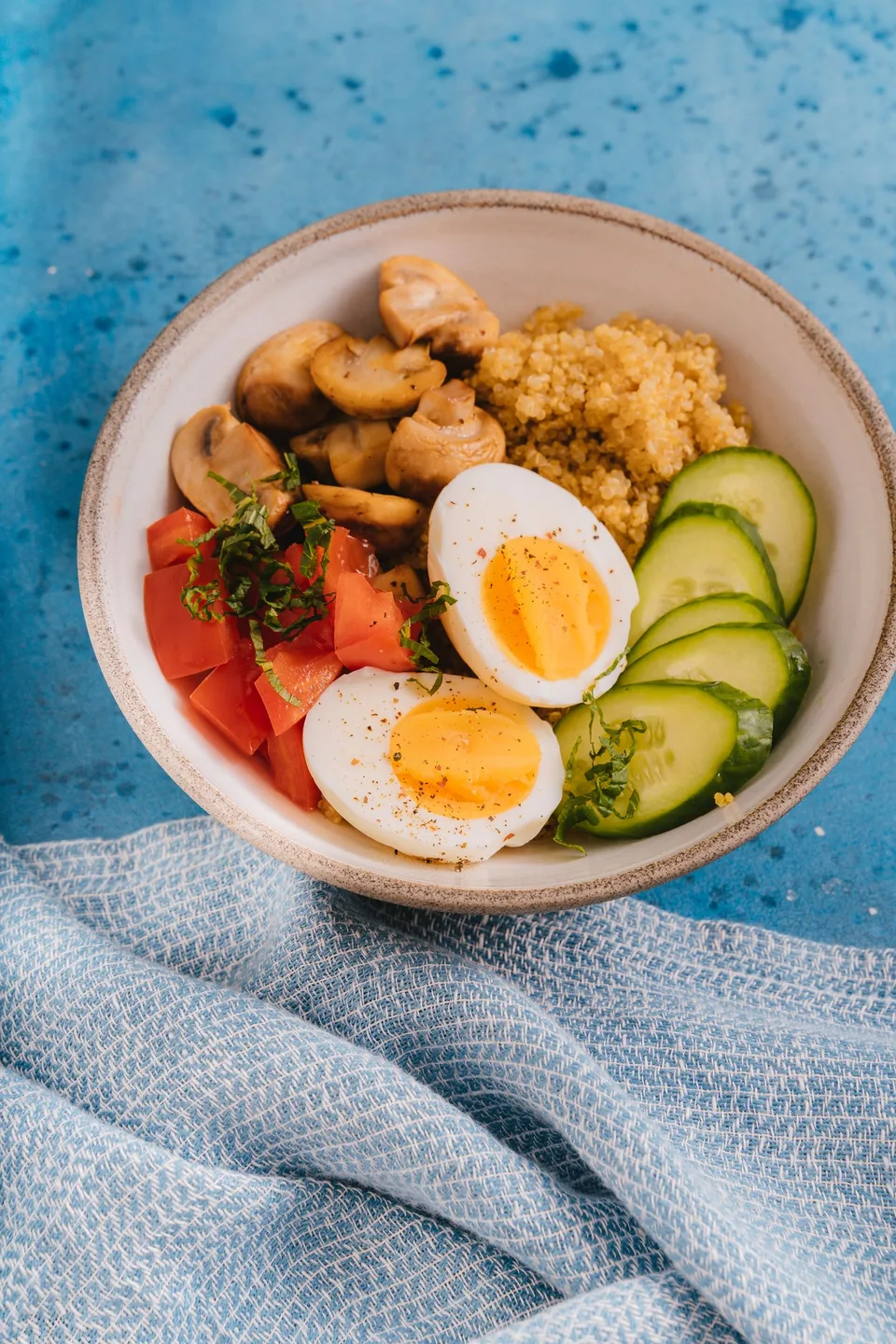
The first grain bowl of the week can be lovely. By the third, the same brown dressing has seeped to the bottom of the container and the last few pieces of cucumber taste more like vinegar than cucumber. A little planning helps, but making an entirely different lunch every morning defeats the purpose. It is easier to learn what the grain itself needs. Farro has enough chew to carry roasted vegetables and a thin mustard dressing. Quinoa is light enough to be crowded out by that same dressing. Coarse bulgur is at its best when the liquid and the vegetables can season one another. Once you know the differences, you can shop for ingredients that do more than one job.
This is a comparison you can make across several weeks. Choose one grain at a time and cook enough for a pair of lunches. The descriptions below assume about three quarters of a cup of cooked grain per bowl. Change the proportions to suit your appetite. In a small bowl there is less room to discover separate textures, so start with one vegetable and one finishing ingredient. A bowl looks generous with a few extra toppings, but a strong dressing and too many salty additions can leave you wishing for a plain spoonful halfway through lunch.
Begin with a grain you actually like cold
Taste a warm spoonful when the grain is ready, then let another spoonful cool on a plate. A grain that seems perfectly cooked while steaming can become firmer as it cools. That quality is an advantage in farro, which is satisfying with some chew. It can make quinoa seem dry if the batch has little moisture left. Cool the main batch promptly in a shallow container and refrigerate it. Pack only what you intend to eat that day and keep it cold when carrying lunch away from home. Cooked grains are perishable. A dish dressed with vinegar still needs appropriate refrigeration.
Read the label before buying a bag. Pearled and semi-pearled farro cook at different speeds. Coarse bulgur usually needs more time to soften than fine bulgur. Quinoa may come pre-rinsed. Use the package directions as a starting point and taste a few minutes before the stated end. Check whether a grain you are buying is suitable for the people who will eat it. Farro and bulgur are wheat products and contain gluten. Quinoa is a different plant, though anyone who needs to avoid gluten should also check for cross-contact and read the package labeling.
Farro with mustard, roasted carrots, and white beans
Farro is the one to choose when you have a container of roasted carrots left from dinner. The carrot can be cut into short pieces without losing its shape. A piece small enough to share a fork with a few grains is about right. Rinse and drain a handful of cooked white beans and add them to the carrots. Their soft centers offer a break from chewing the grain. If you have no carrots, choose roasted squash or a few well-cooked green beans. Vegetables with a lot of water will need to be drained before they go into the bowl.
For the dressing, whisk a teaspoon of grainy mustard with a tablespoon of cider vinegar and two tablespoons of olive oil. Season lightly with salt. Toss the farro with half the dressing and wait a minute before deciding whether to add more. The rough surface picks up the mustard seeds. If the farro is cold and dense, let the portion rest while you chop the carrots or add a teaspoon of water to loosen the dressing. Mix in the beans and carrots once the grain tastes seasoned. Set out a little chopped parsley if you have it. A few toasted hazelnuts can work too, although the farro already gives the bowl plenty to chew.
The first taste to check is a forkful of grain and carrot. If the sweetness of the carrot swallows the dressing, add a little vinegar. If the mustard dominates the bean, put a drop of oil in the last spoonful of dressing before stirring it through. Warm farro takes dressing differently from cold farro. A portion served soon after cooking may need less because the aroma of the vinegar is more obvious. If you are packing the bowl the day before, save the extra dressing and make the adjustment at lunch.
Quinoa with cucumber, lemon, and a soft cheese
Quinoa can be a good choice for a light lunch when the vegetables at hand are crisp. Cook it until tender, fluff it gently with a fork, and drain any liquid that remains. Leave it spread out briefly to release steam, then chill it promptly if it will be served later. Aim for a loose pile that holds together just long enough to lift with a spoon. A heavy amount of dressing can flatten it into a damp layer. A little lemon juice, salt, and olive oil give it enough flavor without hiding the grain.
Dice a small cucumber or use the middle of a long one. If its center is very wet, cut it lengthwise and scoop out the loose seeds. Put the cucumber in a separate container for a packed lunch. Tear a handful of mint leaves or chop parsley. Crumble a small amount of feta over the quinoa, or use a spoonful of soft goat cheese. Taste the cheese first. A very salty feta can season the whole bowl, so you may need less salt in the dressing. A little grated lemon peel can supply fragrance when you do not want more liquid.
To assemble, turn the quinoa with a teaspoon of lemon juice and a teaspoon or two of oil. Fold in the cucumber and herbs once the grain is cool. Put the cheese on top in small pieces that can be moved around with a fork. If you want a little more substance, add a spoonful of cooked chickpeas or some shelled edamame prepared according to its package. Take care to keep the fresh elements distinct. A scoop of plain quinoa beside a bright cucumber is often more satisfying than a pile in which the last grain tastes exactly like the first.
Bulgur with tomatoes, parsley, and a little heat
Coarse bulgur works well with juicy produce. It has a fine enough texture to catch tomato juices, yet it stays distinct when cooked just until tender and drained. A bowl is easiest to build with chopped tomatoes that are ripe but firm. Salt the tomatoes lightly in a separate dish and let them sit while you finely chop a handful of parsley. Use some of the tomato liquid to season the bulgur. Add the tomato pieces afterward so they keep their shape. For a lunch you will carry, pack the seasoned tomatoes apart from the grain and combine them just before eating.
Dress with a tablespoon of lemon juice and a tablespoon of olive oil for two bowls, then taste. Tomato juice varies in acidity. A bright batch may need less lemon, while a sweet batch may want another squeeze. A pinch of mild crushed pepper goes a long way when the grain is at room temperature for serving. Start with very little and add more only after the first forkful. For a more substantial lunch, serve the grain with cooked lentils or a few bites of roast vegetables. A tablespoon of plain yogurt can cool the pepper, but put it on the side so it does not turn the entire bowl creamy.
When tomato season ends, bulgur can still take the juices of a good chopped orange. Peel the orange over a dish to catch the liquid and cut the sections into small pieces. Use flat-leaf parsley or a little mint. A few pieces of fennel supply crunch and make the bowl feel less sweet. Add the citrus close to serving. Unlike a sturdy roasted carrot, a cut orange will let go of liquid while it waits. Pack the components in separate containers if you are preparing two lunches from one batch.
Pack in the order you will eat
Use containers that hold the grain in a broad layer rather than a deep cup. The wider surface makes it easier to fold in the other ingredients without crushing them. Put crisp additions in a small container with a lid. A few extra herbs wrapped in a clean dry towel can brighten the second lunch, but there is no need to carry an entire bundle. Keep any spare dressing in a sealed jar and pack it upright. A little leak into the lunch bag is more trouble than carrying one small jar.
At lunch, taste the grain before adding every last ingredient. It may need only a squeeze of lemon, especially if the vegetables were already seasoned. If the bowl feels too dense, add something fresh rather than another handful of grain. If the dressing tastes severe, a plain spoonful of beans or a little extra olive oil will give your palate a break. The useful difference between these three bowls is what you look for before reaching for the jar. Farro usually asks for a sharp edge, quinoa for a lighter hand, and bulgur for juice from whatever ripe ingredient is already on the board.