Plain Yogurt Has a Place at Dinner
Put plain yogurt under hot vegetables, beside a spicy stew, or into a cold soup. Its tang does different work in each spot.
7 min read
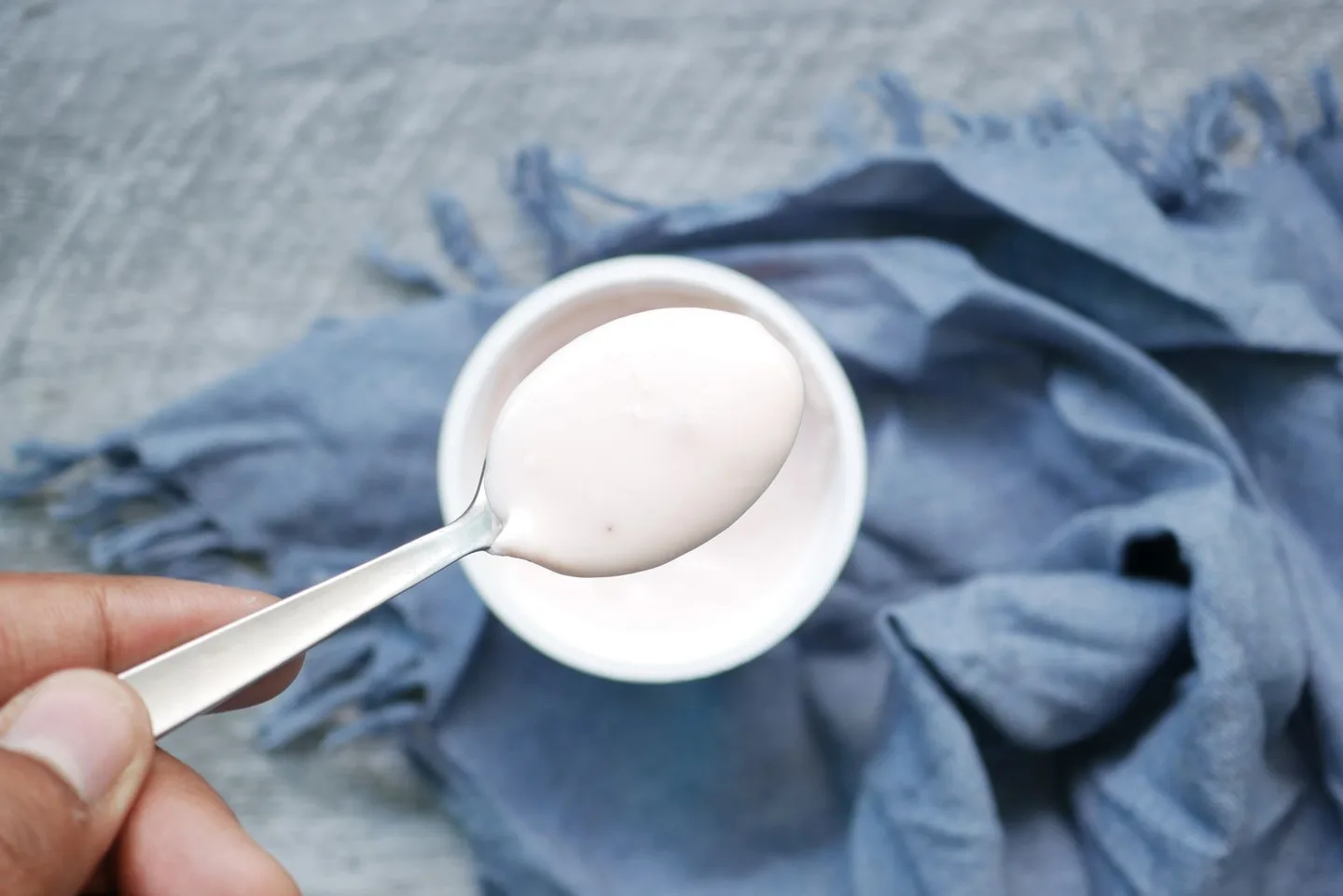
A tub of plain yogurt begins the week as breakfast and can end it as the unfinished object at the back of a refrigerator. Take it out when the oven is on and it has a clearer job. A spoonful under carrots catches their warm juices. A little whisked into a bowl with grated cucumber makes a cold soup with body. A dab on a hot stew cools the first bite while keeping its own flavor. Which of these ideas works depends on how thick and tart the yogurt is, and where you let it meet the rest of the plate.
Check the container to make sure the yogurt is plain and unsweetened. Some tubs with pictures of fruit contain sweeteners even when they look very similar to unflavored products. The choice of fat level and whether it has been strained changes its texture. A thicker yogurt stays in place under warm vegetables. A softer one blends easily with water and cucumber. A dairy-free plain yogurt can also work in some dishes. Taste it first, since ingredients, texture, and flavor vary. If you want to compare nutritional information, use the label rather than assuming different products are interchangeable.
Put the cold ingredient under the hot one
Roast a tray of carrots cut in long, thick pieces. Give the carrots enough room for the cut surfaces to brown. On a shallow plate, stir a few spoonfuls of thick plain yogurt with a little salt and some finely grated lemon zest. Spread the yogurt on the plate with the back of a spoon, making a thin layer in the middle with a little depth near the sides. Put the warm carrots over part of it. Their heat softens the parts directly below them, and the exposed part stays pleasantly cool. Give the dish a tiny drizzle of oil if it seems dry and eat it while the different temperatures still matter.
This arrangement makes sense for other cooked vegetables with uneven surfaces. A halved beet that has been roasted until tender makes a good wedge to drag through yogurt. Cooked cauliflower florets can be lifted by their stems and dipped. Put a short bunch of roasted green beans along one side so that some ends meet the sauce and others remain bare. If the vegetables are particularly wet, give them a moment on the tray to let the steam leave. A fresh pool of vegetable liquid will turn the yogurt into a thin sauce. Sometimes that is pleasant, but decide whether it fits the way you want to eat the dish.
You can season the yogurt in a different direction with a little crushed cumin or chopped dill. Make that choice after tasting the plain yogurt with one piece of vegetable. A thick tart yogurt will hold up to a deeper spice. A very mild yogurt can lose its own taste under the same amount. If you add something sharp such as mustard, use a small amount, stir well, and taste before adding lemon juice. Several tart ingredients doing the same work can make the resulting sauce harsh. A grate of lemon peel can give scent without adding more acidity.
Build a cold soup with a spoon and a box grater
Take a chilled cucumber and grate it into a wide bowl. For a very watery cucumber, squeeze a handful gently over the sink or drain it in a sieve. Leave some moisture behind. Put about a cup of plain yogurt in a second bowl and whisk it smooth, then add the cucumber. Thin with cold drinking water a tablespoon at a time until it moves freely from a spoon. Add salt, a little chopped dill or mint, and a small drizzle of oil. Keep it refrigerated until serving. Stir it again before ladling because the cucumber can settle and release liquid as it stands.
One advantage of making the soup in a wide bowl is that you can change the texture halfway through. Peel the cucumber if the skin tastes strong or if you want a very pale soup. Keep some peel if you like little strands of green. A large seedy cucumber can be halved and its wet center scooped out first. A small cucumber usually grates easily from end to end. If you want visible pieces of cucumber, grate most of it and cut a little into fine cubes for the bowl. Leave those cubes unsalted until the last moment to help them keep their snap.
For a more substantial lunch, serve the soup with warm flatbread and a separate plate of cooked beans dressed simply with oil and a little vinegar. The contrast lets you make the yogurt soup very light. Put a few chopped walnuts or toasted pumpkin seeds on top if they suit the people eating. A thin soup needs a generous bowl and an easy spoon. A thicker version can go in a small cup as part of a table of salads and bread. Choose the serving dish before you add the last bit of water. If it has been thinned more than you wanted, whisk in another spoonful of yogurt and taste for salt again.
Keep a stew's heat and the yogurt's tang separate
A pot of beans or a tray of spiced vegetables can take a spoonful of yogurt at the table. Take a few minutes to season the yogurt first if the dish is relatively plain. Chopped scallion greens, lemon zest, or some finely ground pepper will be enough. A dish with a considerable amount of spice works with yogurt straight from the container. Use a clean spoon to serve the amount you need and put the rest back in the refrigerator. Leaving a whole tub on the table makes it easy for other foods or used serving utensils to find their way in.
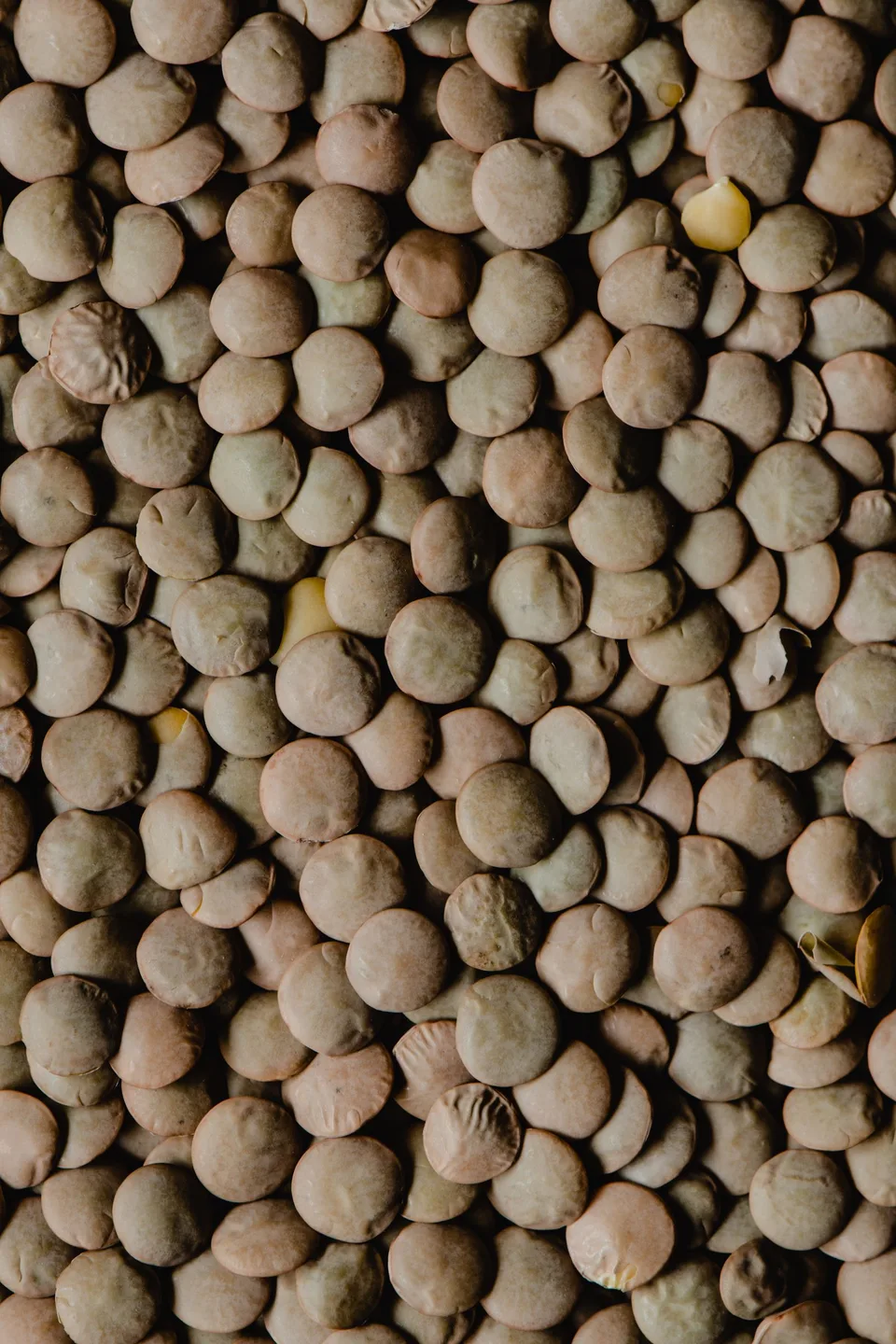
A spoonful stirred into boiling liquid can split or become grainy, especially with some lower fat products. To keep the texture, put it in the bowl and bring a little of the stew to it with the edge of your spoon. If a recipe calls for cooking with yogurt, follow its specific steps. For a meal you are making without a recipe, the bowl method is reliable and lets people choose the amount. A hot lentil soup can go from quite sharp to soft and tangy in a single stir, and some people prefer to leave the yogurt as a small cold patch until the very end.
Try the same approach with a warm grain. Put cooked farro or barley on one side of a bowl with some chopped cooked greens. Thin thick yogurt with a little water and add a pinch of salt and some lemon zest. Drizzle a spoonful only over the greens. As you eat, the grains pick up a little sauce without becoming uniformly creamy. If the grain already has a creamy texture, such as a soft risotto, put the yogurt at one corner and taste before adding any more. Too much of a similar texture can make a savory bowl tiring to finish.
Give a sharp dressing a softer edge
A spoonful of yogurt can quiet a mustard dressing without changing the dish into a creamy salad. Start with a thick yogurt and loosen it in a bowl with just a few drops of water. Whisk in mustard and a little oil. Dip a piece of lettuce or a cooked green bean before you add any vinegar. If the yogurt is fairly tart, use a small amount of vinegar or leave it out. A sturdy lettuce can take a stronger dressing than a few leaves of tender butterhead. Dress only the portion that will reach the table.
The same dressing can take a handful of chopped fresh herbs when you have some to use up. Chives offer a clean, quiet flavor. Parsley works well when there is also a little grated lemon peel in the bowl. For a dressing meant for cooked potatoes, a little minced celery adds enough texture to justify its place. Use small amounts at first. You should be able to taste the yogurt itself in an otherwise spare dish.
Buy a tub with a plan for the last spoonful
A large tub can be economical when you know how it will fit into several meals. A small container is better if it will replace another sauce for one dinner and then need to sit for a week. Keep yogurt refrigerated and follow its date and storage directions. Some liquid on top is common and can be stirred in. Discard it if the product looks or smells spoiled or if storage has been uncertain. Use a clean utensil each time, especially if a flavored sauce would leave traces of garlic or spice in the plain tub.
The last two spoonfuls can become a lunch condiment without asking you to make anything else. Stir in chopped herbs and use it with cooked potatoes. Spread a very thin layer on a flatbread you will eat right away, then add slices of cooked vegetables. Add a little lemon zest and serve it with a bowl of tomato and cucumber. These quick jobs make good use of a small amount because the yogurt stays distinct. Its coolness, acidity, and thickness are noticeable, even if all it does is hold the end of a warm carrot for the first bite.