How to Keep a Family Recipe With Its Margins Intact
A recipe card records what the writer thought you already knew. Preserve the card, then cook beside someone who can explain what the paper leaves out.
7 min read
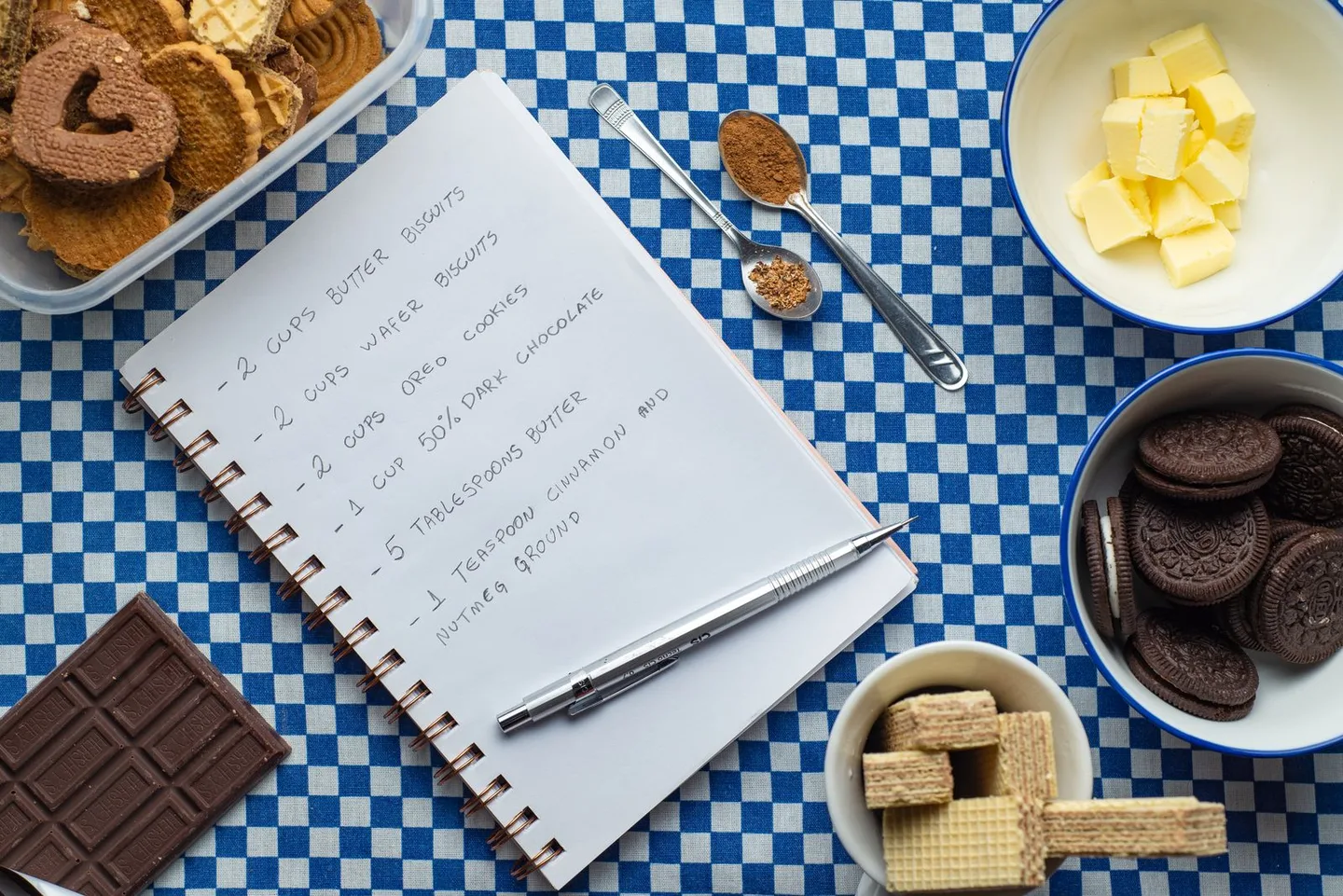
A recipe card can contain two quite different kinds of instruction. In the center there is a list with quantities. At the edge someone has written “a bit less” beside the sugar and drawn an arrow toward a pan size that no longer makes sense. A stain hides the last word in a line. The card may be difficult to follow exactly, but it records decisions a cleaner copy could erase. Before transcribing it, look at what the writer or a later cook found worth adding. That handwriting is often the best clue to how the recipe worked in an ordinary kitchen.
Preserving a family recipe involves several jobs. One is keeping the old object or a good copy of it. Another is writing directions someone can follow today. A third is making room for the different versions that people remember. Those jobs do not need to produce the same piece of paper. Keep the card as it is, write an annotated transcript and try cooking from a separate working version. The three records can sit together. Then a person can see both what changed and why you thought the change would help.
Start with permission and an ordinary photograph
Ask the person who keeps the card whether you can copy it and who they want to share it with. A handwritten page sometimes includes a phone number, address or note about someone else. There is no need to publish those details in order to preserve the recipe. Ask how the card came to its current owner. They may know who wrote it or only who used it last. Keep those statements distinct. “Copied from Pat's binder” tells you something real, even if you cannot tell who wrote the original directions.
Take a photograph of both sides in good light. Include the entire object, even if it is blank except for one note. A second close view may catch a faint line that disappears in the full image. Avoid pulling brittle paper flat with force. You can support an uneven page on a clean surface and photograph it from above. If ink is hard to read, try another light angle before trying any physical change. Save the original photo separately from a cropped or brightened working copy.
Give the file a simple name with the recipe, source and date you copied it. Save the same information in a text file or on the back of a print. A photograph can lose its context when it moves from a phone to a folder. A brief note such as “Index card from the green box, copied with permission in November” keeps the file attached to something a later person might recognize. If you are unsure about the writer, mark it as unknown rather than filling in the likely name.
Make a transcript that shows the uncertain bits
Copy the words first. Keep the line breaks if they tell you where an ingredient or instruction begins. Put uncertain text in brackets or mark it as unclear. When two quantities appear, record both and explain where the second one was written. A reader may want to know that a figure was written in pencil above another rather than typed beside it. Spelling can also be useful. It may identify a brand, region or kind of utensil that would disappear if you corrected every unfamiliar word.
A line such as “one tin” asks for context. Find out what the person who made the recipe considered a tin. A household may have used the same branded product for years, then changed to a different size without changing the note. A “cup” might mean a measured volume, a mug or a vessel specific to that cook. The important thing is to identify what was actually used if you can. If you cannot, choose a measured starting point in the working version and make clear that it is your estimate.
Watch for ingredients that never appear in the directions and directions that introduce ingredients missing from the list. An old card may say “stir until thick” without saying what heat was used. The writer might have expected the person reading to know that the mixture went over a low burner in the small saucepan. Record what the page says and set aside questions for a conversation. Correcting the transcript before talking can remove the very detail that would have prompted a useful memory.
Ask about gestures rather than measurements
If someone still makes the recipe, invite them to prepare it with you. Let them choose the pan and spoon. Notice what they do before the directions begin. They may set out butter earlier in the day, save a little cooking liquid before draining a pot or use a plate to judge how thickly something has been rolled. Those are actions worth adding to a working recipe. They can be more useful than an exact number that was never measured in the first place.
Ask them to describe what they are looking for when they stop stirring or start the next step. A person who says “until it feels right” can often explain more if you ask what would feel wrong. Would the dough stick to their fingers? Would a line drawn through the sauce close immediately? Would the top look dry at the edge while the center still moved? These small questions produce descriptions another cook can use. If they agree, take a photo of the mixture at that moment. Photograph the pan and its depth as well as the finished dish.
You can measure without interrupting if you set up beforehand. Weigh a bowl, let the cook add what they ordinarily add and weigh it again when there is a pause. Write down the difference and the product used. A single measurement gives one useful example rather than proof that every batch used exactly the same amount. Record a range after several trials if the cook regularly adjusts to the ingredient. A dough that needs more water in one kitchen than another can still be the same recipe.
Keep the change you make visible
When writing the working version, begin with the yield, vessel and general timing. Include both measurements and sensory cues where they help. Convert a temperature carefully and write both scales if the recipe will travel between kitchens. Note if a newer oven or appliance calls for a different arrangement. If the original card uses a method that may be unsafe, such as outdated home canning instructions, retain the historical record and use a current tested method from a reliable food safety authority for any practical version. The annotation should make the difference clear.
Prepare the dish once using the new directions without asking the original cook what to do next. This is a test of the instructions, not a judgment of the family member who wrote the card. Where you hesitate, add a concrete detail. If a bowl needs enough room for the mixture to double, say so. If all the fruit does not fit in the recommended pan, give a depth or weight that would let another person make a decision in advance. The place where the next cook has to stop and ask is the place where the written version needs another sentence.
There may be a disagreement about what the finished dish should taste like. One relative remembers a thick layer of topping and another remembers a sparse one. Both memories can be accurate. The dish may have changed with the season, the number of people or what was left in the cupboard. You can write two versions with their sources rather than settling the disagreement. If someone describes a variation from a particular occasion, date the note if they can recall it. That is more informative than calling one version the only genuine one.
Send a copy that someone can cook from
Share the working directions in a form the recipient can keep near the stove. A simple page with a clear title and ingredients in order of use is often more helpful than a long message with several revisions. Include the annotated transcript or image separately if the family wants a record of the original. For a recipe you will share publicly, ask permission again if it includes names or photos. A person may be happy to send a card to relatives and prefer to keep it off a public site.
Tell the recipient where your measurements came from. A small note can say you weighed the flour during one afternoon's cooking and increased the listed amount a little on a later test. Mention if the note beside the sugar was yours or was already on the card. The next person can then work out whether to copy your change or return to the earlier quantities. They may make a third version when their kitchen, ingredients or needs are different.
Leave room for them to write something back. A printed sheet with a small blank area can gather the next useful adjustment. The note might be as ordinary as “wide pan, twenty minutes” or “less sugar when the fruit is ripe.” That kind of mark tells you somebody used the recipe and looked carefully at what happened. The original card deserves to be kept for the same reason. Its edges preserve the points where a cook paid attention.