The Picnic Starts on the Kitchen Counter
Pack according to where you will sit and how far you will walk. The best outdoor lunch is often the one that needs the least assembly.
8 min read
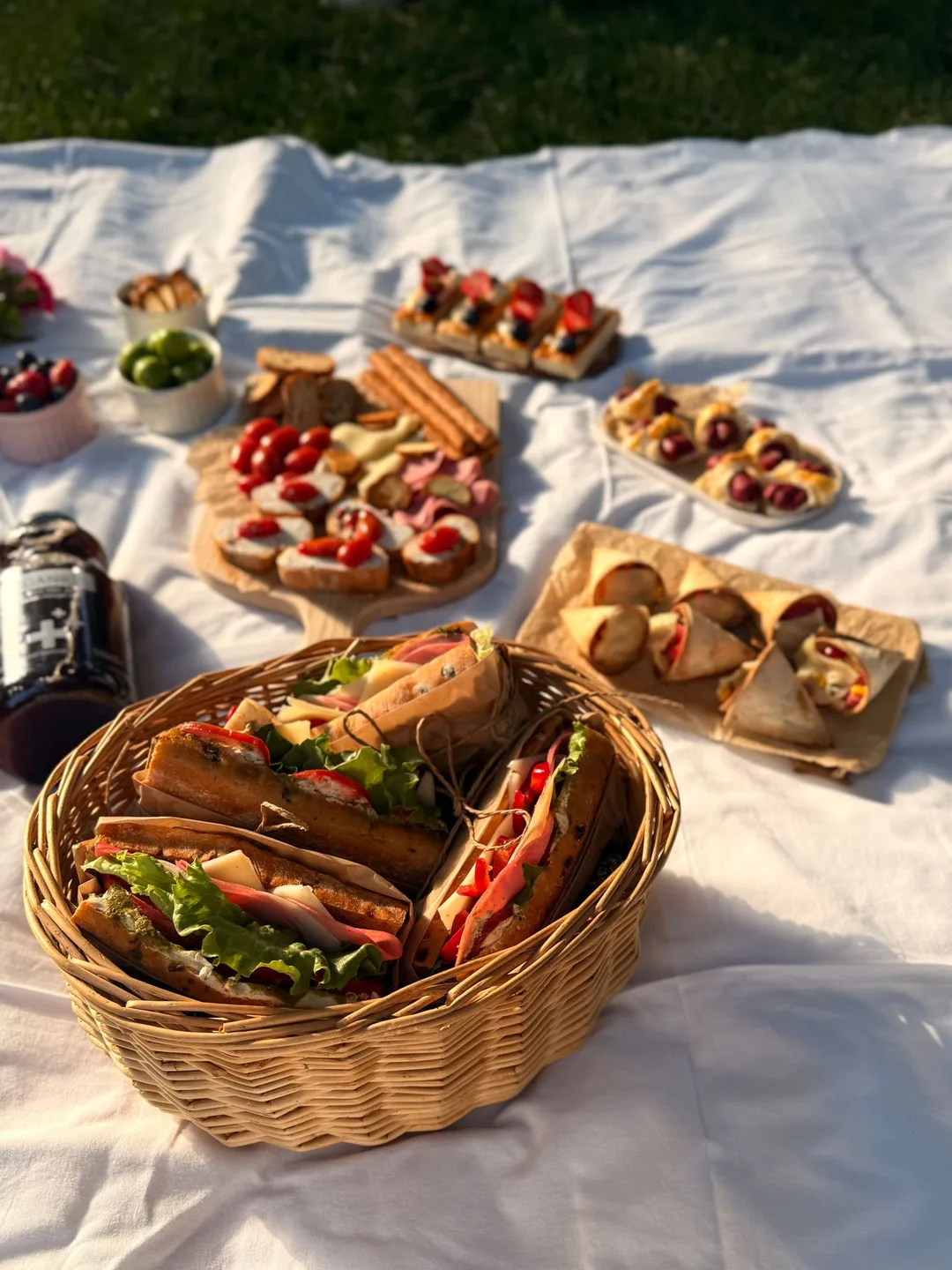
A picnic can be undone by one little jar. The lid has tightened during the trip, the knife you brought is the wrong size and the only flat surface nearby is the inside of the cooler. Someone who was looking forward to eating is now trying to balance a sandwich on one knee. There may be excellent bread and a beautiful place to sit. Neither helps open the jar. The small practical work of packing determines which parts of a picnic will still be pleasant when the group arrives.
An outdoor lunch can be two pieces of fruit and a sandwich or a long meal with enough plates for several households. The planning changes with the distance, weather, people and place. A meal carried ten steps from the car can include things that are awkward on a long walk. A lunch on a bench with nowhere to rinse a knife favors food that was cut before leaving. Start with a mental picture of where the food will be opened. The menu is easier to choose once you know what the site will give you and what you have to carry yourself.
Plan for where people will sit
If there is a table, think about what can stand on it when the wind comes up. Sturdy containers with lids do more work than a stack of very light plates. If you will sit on the ground, a small cutting board or rigid lid can provide a surface for a shared container. You may need to keep food up off the grass, especially at a site with dogs or a busy path. A blanket is good for people. It is a less reliable place for an open container of dressing.
Check whether the site offers drinking water, a bin and a place to wash hands. Bring safe drinking water and supplies for hand cleaning if you are unsure. Outdoor water from a stream or lake should not be treated as ready for drinking or washing food. If there are no bins, bring a bag that seals and can carry everything home. Keep clean utensils separate from used ones, and bring one extra spoon. It will do more good than a second sauce if the first spoon falls in the dirt.
A menu should include something that everyone can eat without having to balance several objects. Sandwiches cut and wrapped individually are one solution. A little box of cheese and crackers works with reliable refrigeration. A banana, an apple or a piece of bread can be eaten as soon as the group stops. Large salads and many toppings can be lovely at a table with room to work. Give yourself a simple first thing to offer if you do not know what the seating will be like.
Test one sandwich before you pack the rest
Make a small version on the counter. Take one bite and check what moves. If a roasted pepper slips out, blot it or cut it into narrower strips. If the bread bends so far that the filling shows on both sides, trim the amount in the middle. Slightly firm bread is helpful on a long trip, but a tough crust can make the person bite through the whole sandwich at once and squeeze the filling out anyway. The texture should suit the person eating it as well as the bag carrying it.
Separate especially wet components. Put sliced tomatoes in a small leakproof container if a tomato sandwich is the point of lunch. A paper towel or a little compartment can keep cucumber away from bread during transit. If no one wants to do any assembly, choose a drier filling in the first place. A smear of mustard and a few slices of firm cheese travel more easily than the same ingredients with a generous spoonful of dressed greens. Bring intact fruit as a separate item. People will still get something juicy without finding it at the bottom of a wrapping.
Cut food when the kitchen is equipped to handle the job. An orange can stay whole, but watermelon is easier to share in a closed box cut into pieces you can pick up with a fork. The empty container will be useful for bringing home scraps. If you know it will sit out while people eat, serve only a portion at a time and keep the rest properly cold. Take a narrow pack of napkins or a clean damp cloth rather than expecting a whole roll to remain dry and clean.
Put the cold food in the cooler last
The safest picnic food is food that stays at a safe temperature. The USDA's outdoor food safety guidance recommends keeping cold food at 40°F or about 4°C or below. Chill perishable items ahead of time, pack them with plenty of ice or frozen gel packs and use a thermometer to verify the cooler temperature. A cooler slows warming. It will not chill a newly prepared warm dish reliably in transit. Pack it right before leaving, keep it shaded where possible and close it after taking food out.
The USDA also advises a limit of two hours for perishables outside safe temperatures, reduced to one hour when the outdoor temperature is above 90°F or about 32°C. Count the cumulative time out of temperature control, including preparation, transit if the food was warm, and time on the blanket. The smell and appearance of a sandwich cannot tell you whether it is safe. When the timing is uncertain, err on the side of discarding the food. Hot foods need to stay at or above 140°F or about 60°C to be held hot safely. For a short lunch where you want less equipment, shelf-stable items can simplify the plan.
A separate cooler for drinks can help when people will open it repeatedly. For a small group, place the food that needs the most protection in a well-packed main cooler and carry water separately. Put things you will use first toward the top if that can be done without compromising cooling. A chilled side dish should not have to spend several minutes on the ground while you search for a bottle of water underneath it. Prechilled containers and cold packs arranged around the food are more useful than one loose pack at the bottom of a deep bag.
Pack one container you could open in the wind
A pleasant shared dish on a long walk might be a box of washed whole fruit and a container of crackers, with any perishable accompaniments kept cold. For a car picnic with a picnic table, a cooler can carry a prepared salad in a wide lidded dish and a smaller container of dressing. Bring a spoon that fits. Test the lid with clean hands before leaving, especially if it came from a stack of mismatched containers. Once it is empty, close it again so it can carry scraps without spilling.
If the picnic depends on a loaf being split at the site, slice or score it in advance. A knife in a moving bag needs a protective sleeve, and a board on the grass is difficult to stabilize. A pre-cut loaf can still be served whole in its paper. A group that wants to make its own sandwiches can do so with pre-portioned components and a short row of containers. One person should be able to open the box, lift what they need and close it without handing a lid around the group.
Think about the return trip when buying drinks and fruit. A rigid bottle keeps its shape when empty. A loose peel attracts insects and can stain a bag. An empty bread wrapper folds into a pocket. A large shared glass bottle may be heavy before and after the meal and can break on rough ground. These are small matters until a group has eaten everything and has to carry the kitchen back the same distance. Pack a lightweight bag for waste and decide in advance where it will travel.
For people arriving separately, divide the packing by jobs as well as by dishes. Ask one person to bring enough water and another to bring a stable serving surface if there is no table. Three excellent side dishes are less useful if each person assumed someone else was carrying forks. Confirm the meeting point before everyone leaves.
Give yourself an easier second outing
The first picnic at a place is a practical survey. You learn which seats get shade, whether the wind lifts napkins and how long it takes to reach a bench from the road. Take those observations more seriously than an elaborate checklist. If people immediately ate the fruit and forgot the second spread, bring more fruit and fewer spreads next time. If they all wanted another drink, add water capacity before expanding the menu. If the best part was eating a sandwich before the walk back, one deliberately reserved portion might be useful on another day, provided it can stay safely cold.
A picnic that goes well can feel almost unplanned. A person finds a clean place to put a spoon, the bread comes out intact and no one has to look far for water. Those details allow the group to notice the place itself. Try to leave it as easy for the next group to use as it was for you. Take your containers, close the cooler and carry the little jar home unopened if nobody wanted it. The jar will be easier to deal with on a steady counter.