Afternoon Tea With Time to Finish the Pot
Tea and a small plate offer something a full lunch rarely does. Build an afternoon invitation around the time people can spend together.
8 min read
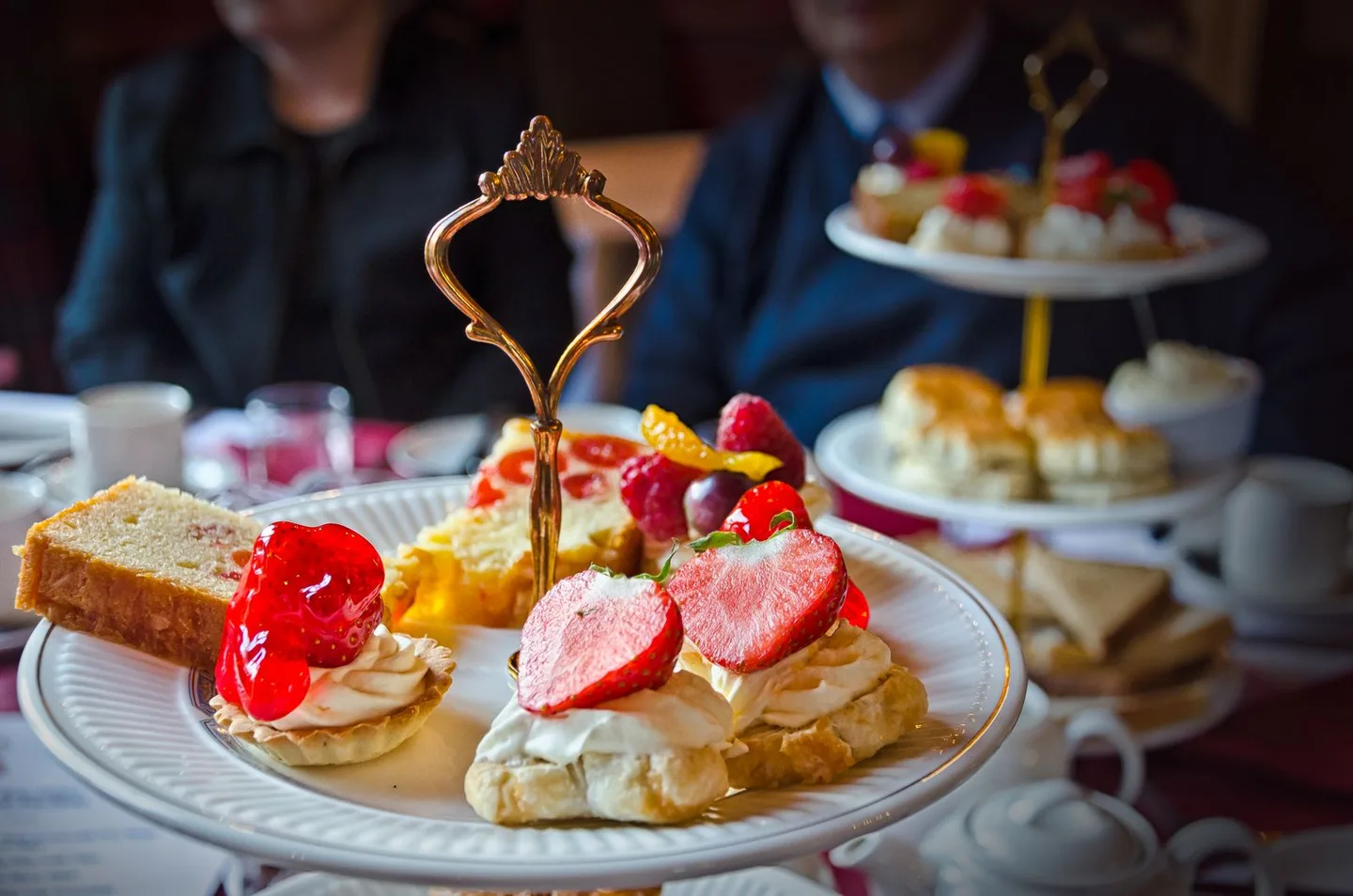
The tea goes cold in many pictures of afternoon tea. At least it would if the photographs were meals. A pot stands behind several tiers of food, too far away for a seated person to reach, and the cups are placed around it like small ornaments. In an actual room the person nearest the pot needs a place to put its lid, and someone will ask for more hot water before the last pastry is gone. A table set to be used may look less elaborate. It will usually provide a better cup of tea.
An invitation to come for tea is useful precisely because it makes fewer demands than an invitation to dinner. The host can prepare a few things and sit down. Guests can come for an hour without guessing whether they are expected to stay through several courses. There is time to talk, time for the quiet that follows a story and time to drink a cup before another one arrives. If a service looks impressive but never allows the host to sit, it has lost the feature that makes an afternoon visit easy to offer.
A practice older than its famous story
A familiar account attributes afternoon tea to the Duchess of Bedford in the nineteenth century. The food historian Annie Gray, writing for English Heritage about Georgian tea, traces a longer development. Well before the story attached itself to a single duchess, tea could already form part of a social visit in the afternoon. The popular version of the story is worth hearing if only to notice what it leaves out. A habit can take shape across many houses and years before anyone calls it a tradition.
In the Georgian setting Gray describes, a hostess poured the tea and servants could supply the hot water and small cakes or biscuits. That arrangement made some of the work invisible to the people sitting in the room. Today a kettle is usually enough, but the meal still depends on a choice about who gets up and when. The difference between a good visit and an exhausting one may be a tray set near the host, a second jug of water ready or a pastry that can be cut before anyone arrives. The feeling of ease is produced by very concrete decisions.
The foods associated with an afternoon tea have changed, too. English Heritage's discussion of Victorian afternoon tea describes an occasion that could tide people over until a later dinner. A biscuit and a cup can perform that role. So can a scone and a few sandwiches. A hotel version with a stand of pastries is its own experience, complete with the labor and equipment of a dining room. The small domestic invitation can borrow a dish or the pleasure of a well-set table without copying the whole service.
Decide what the visit will feel like
Think first about when people will arrive and how long they might be hungry before their next meal. Someone coming at three after lunch might prefer tea and cake. Someone coming straight from a shift at five could welcome a sandwich first. Ask about allergies and preferences when inviting people, so you can plan one or two shared choices instead of rebuilding the tray when the bell rings. If the tea is meant to mark a birthday or another occasion, choose a sweet you can cut at the table. For an ordinary visit, two plates and a pot are often plenty.
A small savory dish should be easy to eat while holding a conversation. Cut a sandwich into halves that can be picked up with one hand. Give it a filling that stays in place without depending on a large amount of spread. A plain cucumber sandwich works if the cucumber is thin, drained and layered close to serving time. A slice of bread with cheddar and a little chutney needs very little ornament. For a tender cake, cut pieces in the kitchen while you still have room to work. If people are comfortable helping themselves, leave the cake whole with a knife and a small server.
Plan portions by considering what happens to the leftovers. Four visitors do not need enough sandwiches for four lunches if the meal is largely about conversation. Make one small savory serving each and a little more if you expect people to come hungry. Keep any extra ingredients refrigerated and assemble a few more portions only if they are wanted. A plain loaf cake can wait until tomorrow much better than a plate of moist sandwiches. A snack table becomes less stressful when every dish has an obvious next use.
For two people, make the invitation even simpler. Use a small pot and put out a plate that the two of you can reach without passing. A pair of cups can turn a pause in a busy day into an occasion without taking up the whole afternoon. Leave the extra cake in the kitchen until either person wants it.
Give the tea a place near the conversation
A pot of tea for four does not have to be enormous. You can brew a modest quantity and make another pot when it is empty. If you use leaves, a basket you can remove keeps the pot from becoming more concentrated after the first pouring. With bags, take them out when the tea tastes right. Use the maker's advice for water temperature and steeping as a starting point. An aromatic black tea usually tolerates hotter water than a delicate green tea. Taste from a small cup before adding more time. You can steep a weak pot a little longer, while an overly bitter pot is hard to bring back into balance.
Put hot water within easy reach if the table and the vessel make it safe to do so. Otherwise, leave the kettle plugged in and ready in the kitchen. A modest tray can keep spoons and drips together, so you can move the pot without lifting several cups. Set the milk or lemon where people can choose. Offering a simple caffeine-free drink helps when the group includes someone avoiding caffeine. It can be plain hot water with a slice of ginger or a familiar infusion. There is little point insisting that everyone drink the same thing merely because the gathering is called tea.
Use cups that can be held comfortably while warm. A saucer is helpful if you are sitting away from the table, since it gives a spoon and a small biscuit somewhere to rest. Mismatched cups serve perfectly well. For a group that will sit for a while, put a glass of water where anyone can reach it. It sounds like a small thing until the person who would rather drink water has to interrupt and ask the host to get up again.
Let the room determine the pace
Bring the first pot shortly after people are seated. Food can be on the table already. There is no need to make someone wait for a plate because the kettle takes a while or hold back the cake until everyone has finished a savory bite. A few guests will try the sweet first. As long as the plates are reachable and there is a place to set a cup, the sequence can be decided by the people eating.
A second pot is a good moment to ask how much longer everyone has. If some need to leave, they can have a little more without committing to a full cup. If everyone is staying, let the food sit for a few minutes and see what goes first. The last piece of cake often waits because nobody knows whether someone else wanted it. Offer to divide it, or leave it for later. Hospitality is easier when people can express a preference and leave an item on the plate without having to explain why.
In a small room, consider putting plates on one end of a counter and asking people to take one before they sit. It avoids having to hand serving dishes across knees. In a larger room, putting some food at both ends of a long table makes it more reachable. A formal place setting is only one solution to the problem of where to put a cup and a plate. A low table, a small tray or several chairs pulled close to an ordinary kitchen table can do the job just as well.
End the visit while it still feels light
Set a rough finishing time when you invite people if either side has another commitment. A simple “come by from three to four” makes the edge of the visit clear. At the end, give guests room to leave without asking them to take the rest of every plate. Offer a piece of plain cake in a little paper if someone says they would like it. Bring perishable leftovers back to the refrigerator promptly instead of leaving them beside the empty cups while you finish cleaning.
The useful parts of the arrangement become obvious the next time you are tempted to invite someone over but hesitate at the thought of a full meal. You need a chair, a place to put a cup and something small to eat. The rest depends on when they can come and what you want to talk about. If the tea is still warm when the cups are empty, another short pour can be enough reason to stay a few minutes longer.