A Pot of Rice Built for Better Bowls
Get separate, tender grains for a rice bowl and learn how to use the pot’s steam, from the first rinse through the covered rest.
8 min read
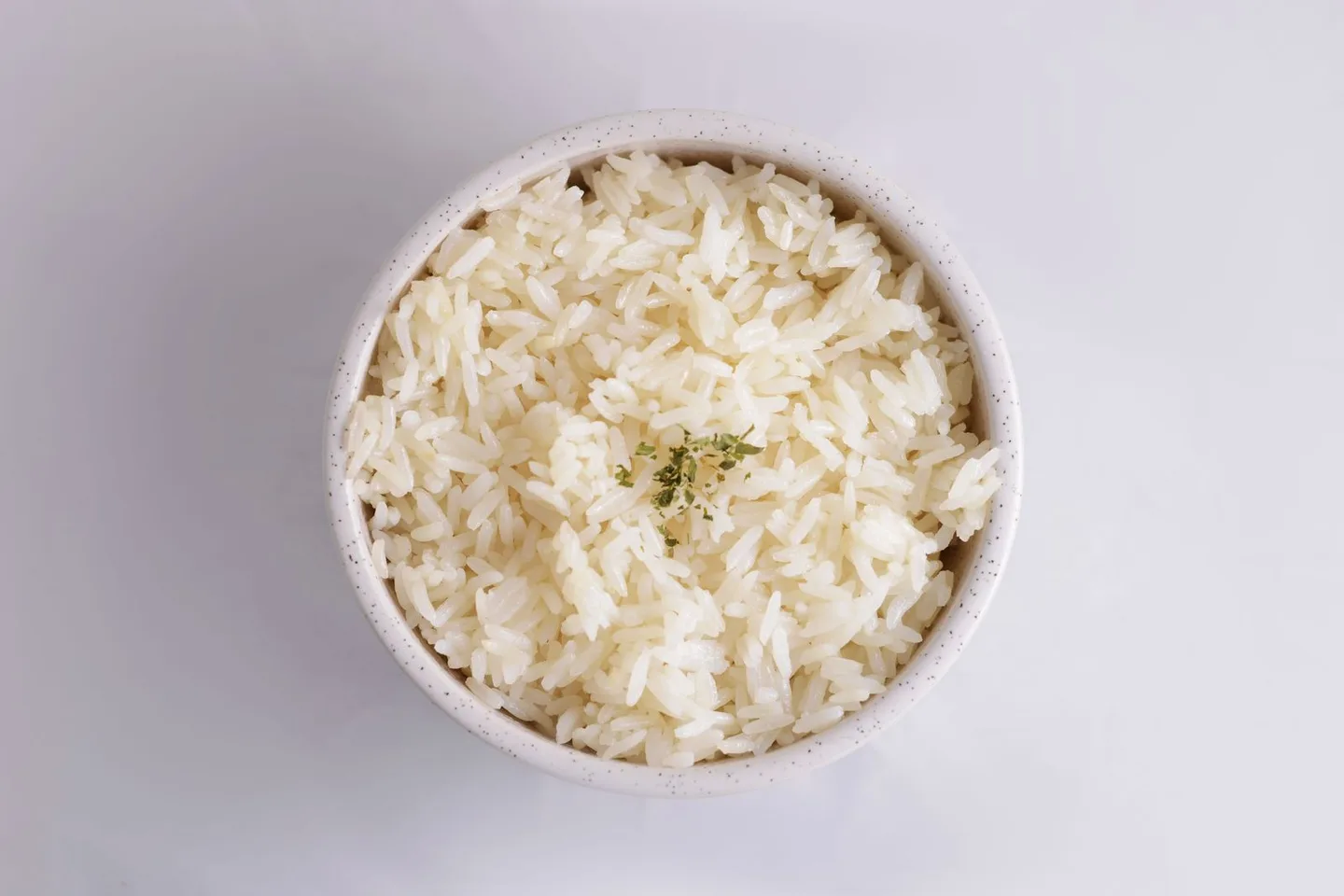
When plain rice is done well, the first spoonful to reach the plate can be picked apart with the tip of a fork. The second spoonful does not have a harder center than the first. Put a saucy vegetable or a little crisp tofu over it and the rice takes up enough seasoning to belong to the dish. Make the same bowl with rice that is wet on top and stuck in a solid layer at the bottom, and every other component has to do more work. It is easy to blame the bag of rice. Look first at the water, the size of the saucepan, and how long the lid stayed on after the heat went off.
The method here is for plain white rice cooked by absorption. Short grain rice will naturally cling more than a typical long grain variety. Basmati and jasmine each have their own flavor and texture. Brown rice and products marked quick cooking or parboiled may use different proportions and timing. Use the package’s guidance as a starting point when you change bags.
Start with a small pot and a repeatable measurement
A cup of uncooked white rice is a useful amount for a first experiment. Use a lidded saucepan that lets it spread into a layer without leaving a very broad, thin film of water. A tight fitting lid matters because the recipe assumes that most of the water stays in the pot. A pan with a wide base or a rattling lid can lose water faster than a heavier saucepan. If you usually end up with a dry band on the bottom, it may be the pan and the burner together rather than the amount of water alone.
Read the water ratio on the bag and measure it with the same cup you used for the rice. If there are no directions, about one and a half cups of water for one cup of ordinary long grain white rice is a reasonable trial. Treat that as a starting point. On a particular stove you may want a little less next time. Using the same pot, burner, lid, rice, and measuring cup makes it possible to change one thing at a time. A rice cooker will give a different result, and its supplied measuring cup and fill lines may be calibrated together. Follow its instructions instead of moving saucepan measurements straight across.
Measure the rice before rinsing it. Once it has been washed, water will cling to the grains. Drain it well so that extra water stays reasonably consistent between batches. If you need to make twice as much, use a pot with enough room for the grains to expand. A pot that has worked beautifully for one cup can be surprisingly cramped when the batch is doubled.
Rinse with cool water and let it drain
Put the measured rice in a bowl, cover it with cool water, and turn it with clean fingers. The water usually turns cloudy. Pour it away carefully through a fine sieve, or tip it from the bowl slowly while holding the rice back with your hand. Add more water and repeat a couple of times. The water need not turn perfectly clear. Let the rinsed grains drain briefly in a sieve before adding them to the pan.
Rinsing washes away some loose starch from the surface of the grain. It can help long grain rice cook with less clumping. It will not turn a sticky variety into one that separates like basmati. If the package directs you to skip rinsing, especially for a fortified product or one treated for faster cooking, follow those instructions. There is little reason to rinse a bag on habit alone if its own method works well and gives the texture you like.
Some varieties are commonly soaked for particular dishes. Soaking introduces a different variable because the grain already contains water when it goes into the saucepan. Get a feel for a rinsed and well drained batch first. If you decide to try soaking, use a method that specifies its own water amount. A pot of plain rice is an easy place to learn how different types cook because there is no onion, broth, or tomato to change how you see and taste the result.
Let the steam do most of the work
Combine the rinsed rice with the measured water and a small pinch of salt if desired. Bring it to a gentle boil, then turn the heat down to low and cover. If your stove responds slowly, move the pot to a second burner already set to low. The cooking liquid should simmer gently. A lid that shakes and spits is a sign that the heat is high. Escaping steam carries away the water you expected the grain to absorb.
Use the package time as a cue for when to look. For many white long grain products this is around fifteen to twenty minutes. Do not repeatedly lift the lid. At the suggested time, make one quick check. If you tilt the pan gently, there should be little or no free liquid moving around the edge. If there is still a visible puddle and the grain is hard, cover it and continue gently for a few more minutes. A few small steam holes on the surface are common as the water level drops.
Take the covered pan off the burner when the visible liquid has been absorbed. Let it sit about ten minutes before opening it again. The rest gives the grains time to settle and the remaining heat and moisture to spread. A saucepan on a hot electric element can keep cooking after the heat has been switched off, so move it to a cold burner or a heat safe trivet. Open the lid away from your face. Run a fork or rice paddle through the pot in gentle lifts rather than pressing it into the grain. The top and bottom can then mix without crushing soft rice together.
Repair a small problem while the rice is still hot
Hard centers and a dry pot usually mean the rice needs more water and a little more steam. Sprinkle a tablespoon or two of hot water evenly over the surface, cover, and put it on very low heat for a few minutes. Take it off the heat and let it rest briefly. Check before adding any more water. A splash near the center and another near the edge are more useful than a puddle in one spot. If the bottom is already scorched, lift the unburned rice into a clean pot before trying the repair.
If the rice is tender but looks damp, fluff it gently and spread the amount you plan to eat on a broad warm plate. The extra surface helps visible steam escape before you add toppings. If you keep the lid off for a moment, keep an eye on the texture. Rice that was a little wet can dry surprisingly quickly in a thin layer. Very soft rice can still be eaten warm as a loose, spoonable base. Overcooked grains cannot be made firm again by frying them harder.
When a firm crust is stuck to the bottom, soak the empty pan once it has cooled enough to handle. Before the next batch, try lower heat and a pot that fits the burner better. Some dishes deliberately build a crisp bottom. Plain absorption rice for a grain bowl is easier when the bottom layer is about as tender as the top one. Once it reliably reaches that point, you can change the taste with broth, herbs, or a little butter without having to fix the texture first.
Decide what the rice should do in the bowl
For a hot bowl, spoon the rice into the bottom while it is warm. Leave it loose enough that a fork can push a path through it. Add one well seasoned ingredient such as sautéed mushrooms, grilled zucchini, or glazed tofu. Add something crisp or cool separately. If the vegetables have released a lot of liquid, begin with a little of it and taste. The rice will pick it up quickly. A spoonful of dressing is often enough for a small bowl. It is easier to add another than to eat around a deep puddle.
Rice also makes a useful base for raw vegetables, which benefit from a little room of their own. For cucumber and radish, begin with a pile of warm rice, let any heavy steam escape briefly, and tuck the crisp vegetables along the side. Stir them in at the table if you want the different temperatures to meet. If your toppings are all warm and soft, a handful of toasted seeds can provide a dry crunch. For a cold rice salad, start with cooked rice that was cooled and stored safely, and mix it with the dressing just before serving if you want the grains to stay firm.
Treat leftovers as a separate task
Freshly cooked rice is easiest to serve and usually has the best texture. If you will save some, portion it promptly into clean shallow containers, cool it quickly, and refrigerate it within one hour. Use refrigerated rice within twenty four hours under the NHS guidance for cooked rice. Reheat only once until steaming hot throughout. Rice that sat out overnight should be discarded. A hotter pan later cannot undo the risks of improper storage.
Make a note of the water, heat, and resting time after a good batch. Three numbers and the name of the pot are enough. When you find yourself making rice before you know what else is for dinner, you have reached the useful point of the exercise. The rice is ready to support something sharp, crisp, or saucy, and you know how much water it needs before the first grain even reaches the pan.