Grill Zucchini for a Tender Center and Brown Edges
Use thicker slabs, a hot grate, and one deliberate flip to bring out zucchini’s sweetness without steaming it in its own juices.
8 min read
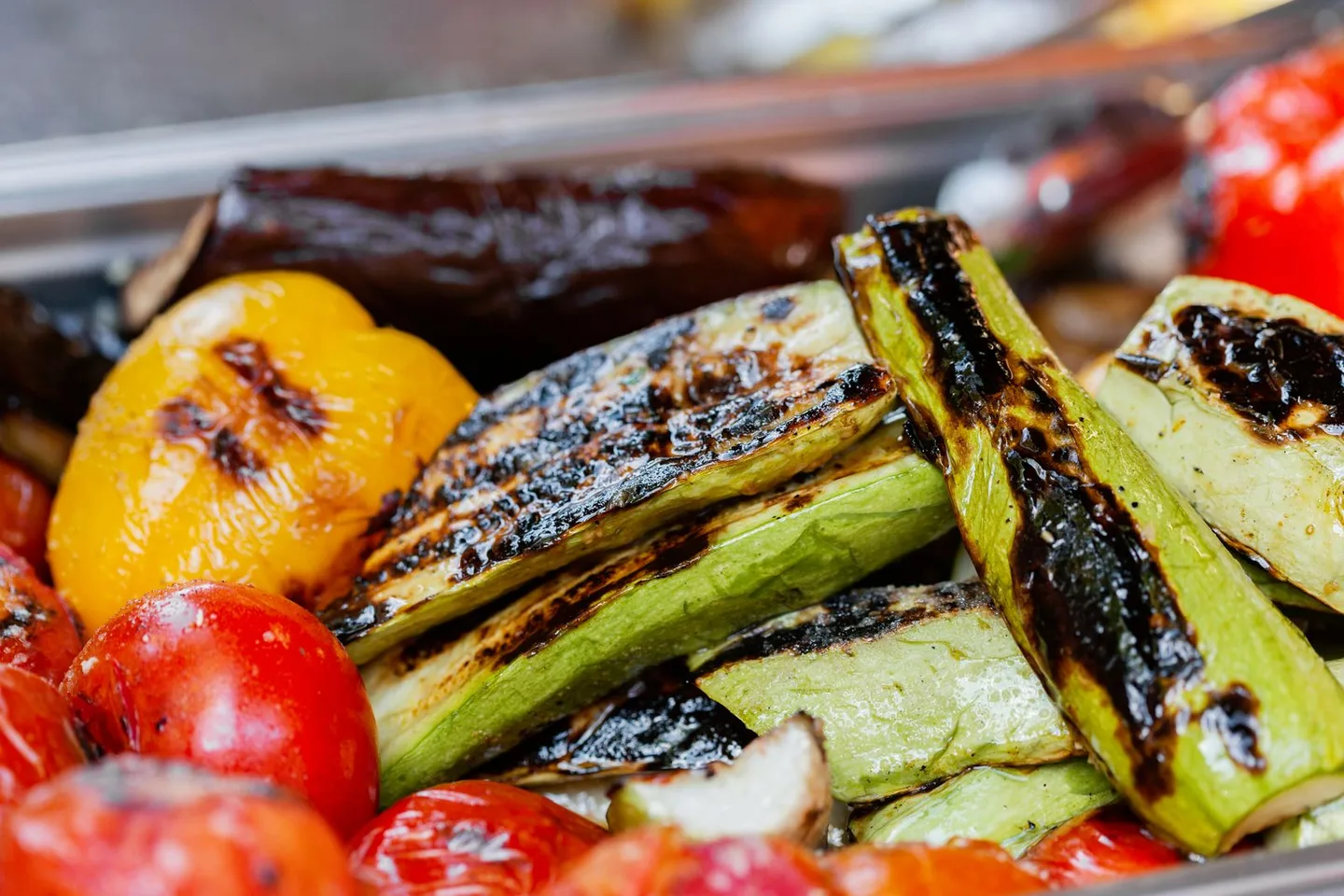
A good slice of grilled zucchini has a browned face and a center that still tastes fresh. The first bite gives way easily. The slice holds together when you lift it with a fork. That result is harder to get from thin disks, which can cook through before the grate has left much color. It is also harder to get if the squash goes onto a cool grill with a heavy coating of marinade. A few sturdy slabs, a film of oil, and a little patience make the difference more reliably than any new seasoning.
Zucchini is a forgiving thing to grill once the pieces have enough body. It needs less attention than most vegetables with hard centers. It does, however, need enough space to shed moisture. Give a few pieces one side of the grate and leave a little empty area for the ones that color first. Then you can manage a small batch with tongs and a plate instead of running between the grill and the kitchen.
Choose squash that suits a wide cut
Look for zucchini that feels firm and has smooth, taut skin. Small to medium pieces tend to have a narrow seed cavity. A giant squash can have a wider, softer center and a lot of surface moisture. It can still be cooked on the grill, but you may need to remove the spongy middle and use the outer flesh. If the skin is very tough, peel alternate strips to leave some structure. You are looking for pieces that can take a turn with the tongs after several minutes of heat.
Wash and dry the squash, then trim the ends. Cut it lengthwise into broad slabs between a third and a half inch thick. The first and last slabs will have curved skin on one side. Put them flat side down first. If one end of the zucchini is narrow, cut it crosswise before making the slabs. A long spear that tapers all the way to a thin point can be tender at one end while the other remains raw. Shorter pieces of even thickness make that difference easier to manage.
Another good cut is a thick diagonal oval. This gives you plenty of contact area and lets you leave a slightly thicker center. It works well when you plan to put the pieces on a sandwich and want them roughly the size of the bread. Round coins are usable on a grill tray. On an open grate, they are more likely to slip between bars. Save thin coins for a skillet or for a raw salad.
Dry the faces and season at the right time
Blot the cut sides gently with a clean towel. This takes away any water from washing and some of the moisture that beads up after slicing. Brush each face with a small amount of cooking oil. You should be able to see the flesh under the film. Oil pooling on the plate adds little to browning and can drip onto the heat source. There is no advantage to letting the slices soak in it while the grill warms.
Salt just before cooking if you are moving straight from cutting board to grill. If you cut the slabs far in advance, keep them covered in the refrigerator, and give them another blot before they go on. You can also salt the cut squash, let it sit briefly, and pat away the moisture it releases. That method is useful for especially watery squash. It can add time and make it easy to salt twice by mistake. Taste the cooked vegetable before making a final adjustment.
Keep vinegar, lemon juice, sweet sauces, and chopped herbs aside until the squash has browned. A liquid marinade can wet the faces just as you want them dry. Sugary coatings may burn against the grate, and chopped herbs can stick where they touch hot bars. If a dish needs the taste of garlic, whisk a little into an acidic dressing and spoon it over after cooking. That produces a clearer flavor than tiny burned bits on every slab.
Prepare two areas of the grill
Heat the grill according to the manufacturer's instructions and clean the cooking grate once it is safe to do so. Aim for one fairly hot area and a second, gentler place where pieces can finish or wait briefly. On a gas grill with several burners, leave one burner lower than the other. With charcoal, make a deeper bed of coals on one side and a thinner one on the other. If your grill has only a small hot surface, a cool heatproof plate can serve as the waiting spot.
Lay the oiled slabs flat across the bars or at an angle that keeps them from slipping. Leave a narrow space between pieces. If the zucchini does not make a small sizzle when it touches the grate, the surface may need more time to heat. Place the first piece and wait a moment before loading the rest if you are unsure. Once all the pieces are on, give them time to color before moving them. Repeated prodding drags the surface before it has set.
Use the handle of the tongs to reach comfortably and pick up a piece at its edge once you think the underside is browned. On a reasonably hot grill, a first check after several minutes is often enough. If there is some color and the surface lifts easily, turn it. If it is pale and firmly attached, wait a little longer. Move a piece that looks dark before it feels tender to the gentler area. The goal is good contact and a steady pace, not dark marks at any cost.
Use the middle of the slab as your test
A grilled slab may look done on the outside before the center has softened. Press near the middle with the tongs and feel how readily it bends. A little flex and some resistance give a pleasant texture. The surface should look browned in patches. Test the thickest slab first if you want the whole plate to be similarly tender. If it is too firm, give it another short spell in the cooler area. Turning up the hottest burner at that point may burn the already browned face.
For a more tender result, finish over the gentler heat and take each piece off as soon as it bends easily. Keep the hot slabs in a shallow layer rather than stacking them all in a small bowl. A tight stack traps steam and lets them carry on softening. On a tray, they also keep enough of their color visible to be appetizing even after a few minutes.
If the cooked squash is very wet, look back at the cut. Thin pieces and a crowded grate can soften quickly before browning. Try a thicker cut or a smaller batch next time. Squash that looks dark but has a stiff, almost raw center had too much heat too soon. Make your first flip a little earlier or keep one area low enough to finish those pieces. A little char can give flavor. A thick black surface gives the whole vegetable a bitter finish.
Dress for the way you will serve it
Grilled zucchini tastes sweet while hot and fairly mild after cooling. A little lemon juice, olive oil, and salt brings it back into focus. Put the slabs on a platter and spoon the dressing down the centers so the browned edges stay visible. Finish with torn mint, parsley, or basil if you have it. The dressing should season each bite without turning the platter into a bowl of liquid.
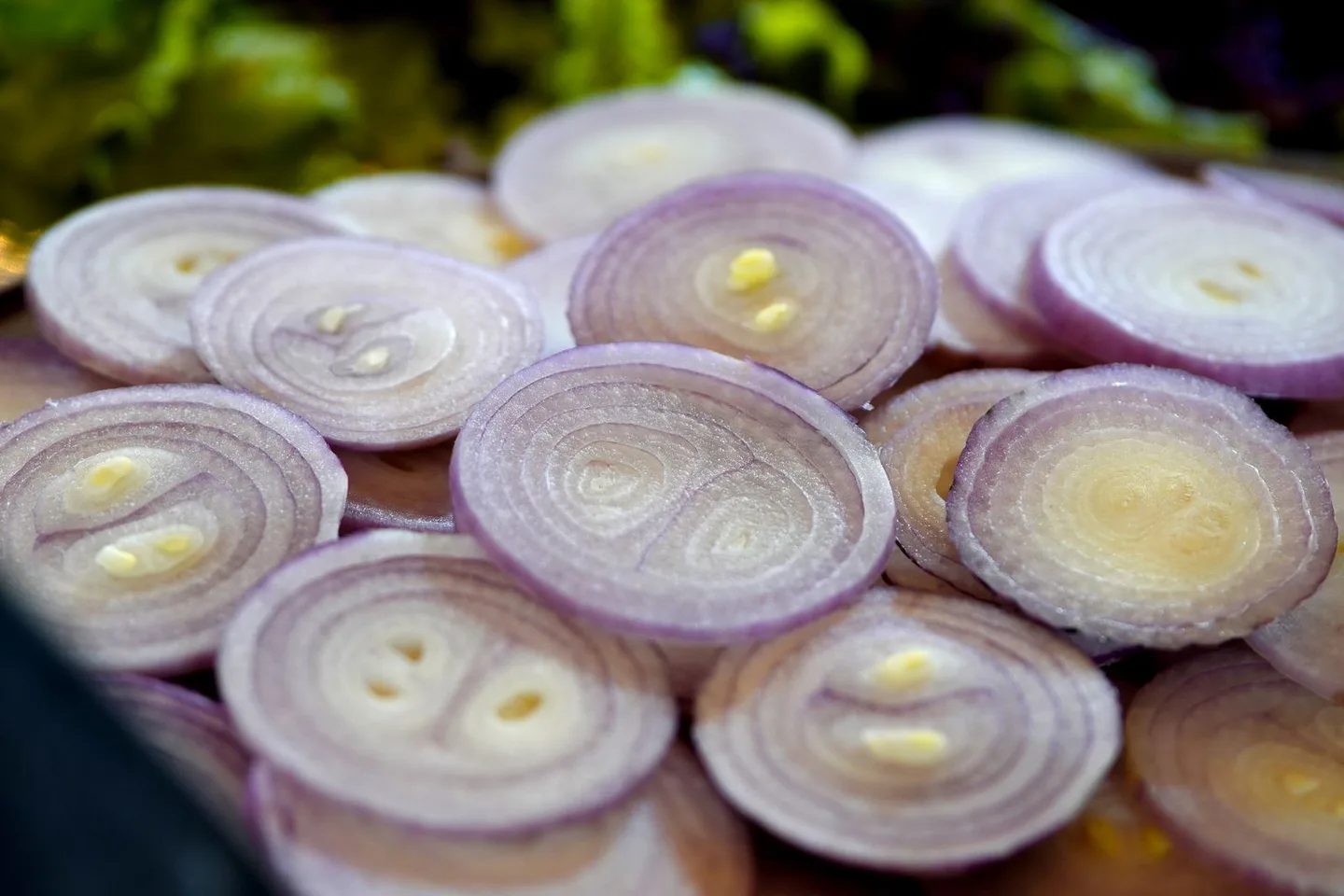
For a sandwich, let the slices lose some steam. Put a thin spread such as hummus or mashed white beans on the bread, then arrange the squash in a single layer. Blot it lightly if it left water on the plate. Add one crisp ingredient, such as a few arcs of red onion. The squash is flexible enough to bite through and the crunch keeps the soft bread and spread from feeling heavy together.
For a room temperature grain bowl, cut the grilled slabs into shorter pieces after cooking so they mix without having to be cut again at the table. Stir a little dressing through the grain first, then add the zucchini. If you are serving a platter as part of a larger meal, try a spoonful of yogurt with chopped dill underneath the pieces. The cool sauce tastes best picked up with a slice instead of poured over every edge. Keep prepared dishes refrigerated when holding them for later and refrigerate leftovers promptly.
Try the same cut indoors
A ridged grill pan can produce a similar flavor and shape indoors. Heat it gradually, oil the food lightly, and work in batches so the surface does not become crowded. Use the stove fan if available. A flat skillet works too, and it often browns a greater part of the face because the whole slice touches the metal. Use a moderate to medium high setting, watch for smoking oil, and make the first batch small enough to move pieces around as you see which part of the pan heats fastest.
The next time you grill, take one zucchini and cut half into slabs and half into thick diagonal pieces. Cook them side by side and look at how each holds when you turn it. Pick the one that fits the plate you have in mind. The better cut is usually the one you can lay down, leave in peace for a few minutes, and lift in one piece when the first side is ready.