Tomato Toast for a Very Juicy Tomato
Keep the summer tomato juice and still get toast that can be picked up, with a quick bean spread and a small bowl for the good drippings.
7 min read
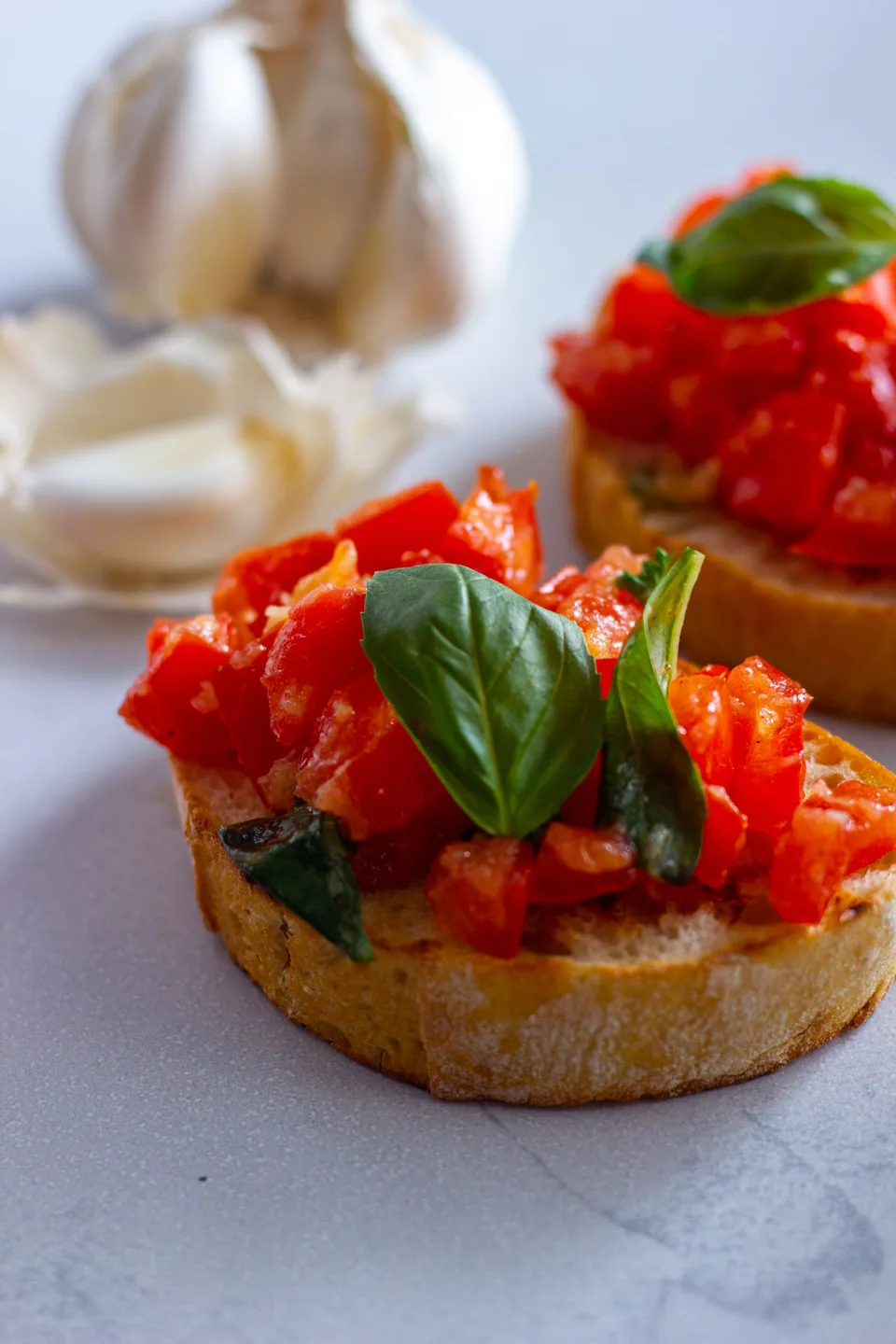
A good tomato can defeat a perfectly respectable piece of bread. The first bite crunches. The second bends at the middle. Before you get to the end, the tomato has slid forward and the edge of the toast has gone soft enough to fold. This is a common outcome when the tomato is ripe, the bread is warm, and the two are left together for a few minutes. Rather than trying to dry the tomato thoroughly, give the juice somewhere else to go. Catch it in a bowl, use some of it to loosen white beans, and leave the rest to spoon onto the plate while you eat.
For two substantial toasts, choose one large ripe tomato or two smaller ones, half a can of white beans, and two pieces of sturdy bread about three quarters of an inch thick. Have a little olive oil, fine salt, black pepper, a splash of wine vinegar, and a handful of basil or parsley. You can double the recipe without much extra effort, but toast the bread close to the time you plan to sit down. This lunch is especially good in the brief period when the toast is still warm and the tomato is close to room temperature.
Buy a tomato for flavor first
Look for a tomato that feels heavy for its size and gives just slightly near the shoulder when you press gently. Ripe tomatoes can be striped, yellow, pink, dark red, or almost purple. Color is useful only if you know what that variety looks like when ripe. Aroma near the stem and a little give are more dependable signs. Avoid fruit with leaking cracks, mold, or deep soft bruises. A tomato that is misshapen or has a dry scar can be excellent. If the seller is offering a choice, buy the one that smells good before buying the one that looks even.
Give a cool tomato a little time on the counter before slicing it. A room-temperature tomato often smells more fragrant than one just taken from the refrigerator. Wash it and dry the outside. Cut away the tough core, then slice crosswise for broad rounds or lengthwise for smaller wedges. With a very large tomato, broad rounds may be too wide for the toast. Cut each in half and arrange the pieces so their flat edges sit toward the middle. A serrated knife helps you cut through the skin without squeezing the juice out onto the board.
Keep the drippings for the beans
Put the slices or wedges in a shallow bowl and season both sides lightly with salt. Let them rest for about ten minutes while you rinse the beans and prepare the bread. The salt will draw some liquid out and season the fruit. Do not leave the tomato resting for the whole afternoon. The goal is to catch the first few spoonfuls of juice and keep the flesh in good shape. If you are using cherry tomatoes, cut them in half and press a few gently with the back of a spoon. The rest can stay intact so they pop when you bite into them.
Drain and rinse the white beans. Put half a cup in a bowl and mash them with a fork. Add a teaspoon of olive oil, a few twists of pepper, and one or two teaspoons of the tomato drippings. Mash again, adding drippings in small amounts until the mixture holds together like a rough spread. Leave some whole beans for texture if you like. Taste it before adding salt. The tomato juice is already seasoned, and the beans may be seasoned from the can. Add a drop of vinegar if the mixture tastes mellow enough to disappear against the bread. The beans should taste good on their own without becoming sharply sour.
Toast both faces and the edge
Heat a skillet over medium heat. Brush both sides of the bread with a little olive oil. Toast the first face until you see dark golden spots and hear a dry sound when you drag a spatula over it. Turn it and do the same on the other face. A stovetop skillet is helpful because you can control how much contact the bread gets. Press lightly with a spatula if the bread is slightly cupped and only touches in the middle. If the crust is thick and soft, stand the slice briefly on its edge with tongs to dry that surface too.
A toaster works if the slices fit, though oil belongs on the bread afterward in that case. For bread with a soft crust and an open interior, cut slightly thicker slices and toast them longer at moderate heat. The outside should feel stiff while the middle retains enough give to bite through easily. Very thin bread becomes brittle and can crack when you put the tomato on it. A thick dense loaf, meanwhile, can make the toast awkward to eat. If you cannot imagine cutting through a slice with your front teeth, halve it with a knife at the counter before you add the topping.
Build just enough for one bite at a time
Spread a modest layer of beans over each toast while the bread is still warm. There is no advantage to spreading all the way to the crust. A narrow dry edge makes the toast easier to hold. Lift the tomato out of the bowl and give it a second to drain. Arrange the slices without stacking them very deep. A double layer will slide if the top slice has no contact with the beans. Tear basil leaves over the tomato or scatter chopped parsley. Finish with pepper and a few drops of good oil. Pour the remaining tomato juice into a little dish and let people decide where to add it.
If you want to eat with a knife and fork, make that choice on purpose. Put the toast in a shallow bowl and spoon the reserved juice around it. The lower crust will soften, while the sides and top remain crisp for a little longer. A spoonful of beans or chopped cucumber beside the bread will catch some of the liquid. This is a useful way to serve the lunch when the tomato is exceptionally ripe and you would rather have every drop than keep the bottom of the toast perfectly dry.
Change the topping without losing the balance
A small amount of ricotta can replace the beans, although it is less able to take up extra liquid. Drain it if it is wet and serve the tomato immediately after assembly. Hummus provides a thicker base with a flavor of its own. Use a thin layer and check the seasoning before adding any more salt. If you want a sharp and salty finish, put a few tiny pieces of feta among the tomato slices. The tomato should still be the first thing you taste, so start with fewer than you think you need.
On a day when the tomatoes are firm and pale, consider leaving the bread and the bean spread as they are and cooking the tomatoes briefly. Halve small tomatoes and set them cut side down in a hot skillet until the cut faces soften and darken. Turn them once and take them off before the skins split completely. They will release a little juice on the plate. Use it with a few drops of vinegar and a torn leaf of basil. A cooked tomato toast is a different lunch with a sweeter flavor and a softer bite. The same crisp base gives it some structure.
Set up lunch for more than two
For a larger table, place the toast, beans, tomatoes, and herbs in separate dishes. Finish cooking the bread while guests sit down. Have a serving spoon that can lift one or two tomato slices without scooping up a pool of juice. A low bowl for tomatoes lets people see which pieces are thick and pick what fits their bread. Keep a small dish for the drippings and put the pepper grinder where it can be reached. If children are at the table, cut several slices of bread into smaller pieces beforehand so they can manage the tomato without chasing it across the plate.
Pack the elements separately if you are taking the meal somewhere. Keep the beans and cut tomatoes chilled and assemble just before eating. The bread loses crunch when sealed warm, so cool it before packing. If you have leftover tomato juice after lunch, stir it into a dressing or add it to a bowl of cooked grains. It contains much of the flavor that made you want a tomato in the first place. Saving it for a deliberate use takes only a shallow bowl and makes the toast easier to finish.
If the tomatoes you bought turn out to be wonderfully ripe but small, cover just one half of each piece of toast and cut the exposed half into a long strip. Dip that strip into the tomato bowl. It gives you the contrast of wet fruit and dry toast without asking the little tomatoes to spread farther than they can.
Keep a separate knife near the spread if lunch is self-serve. A knife that has just cut through a tomato leaves juice in the bowl of beans. A clean spreading knife also makes it easier to put an even layer on toast with large holes.