Techniques · 8 min read
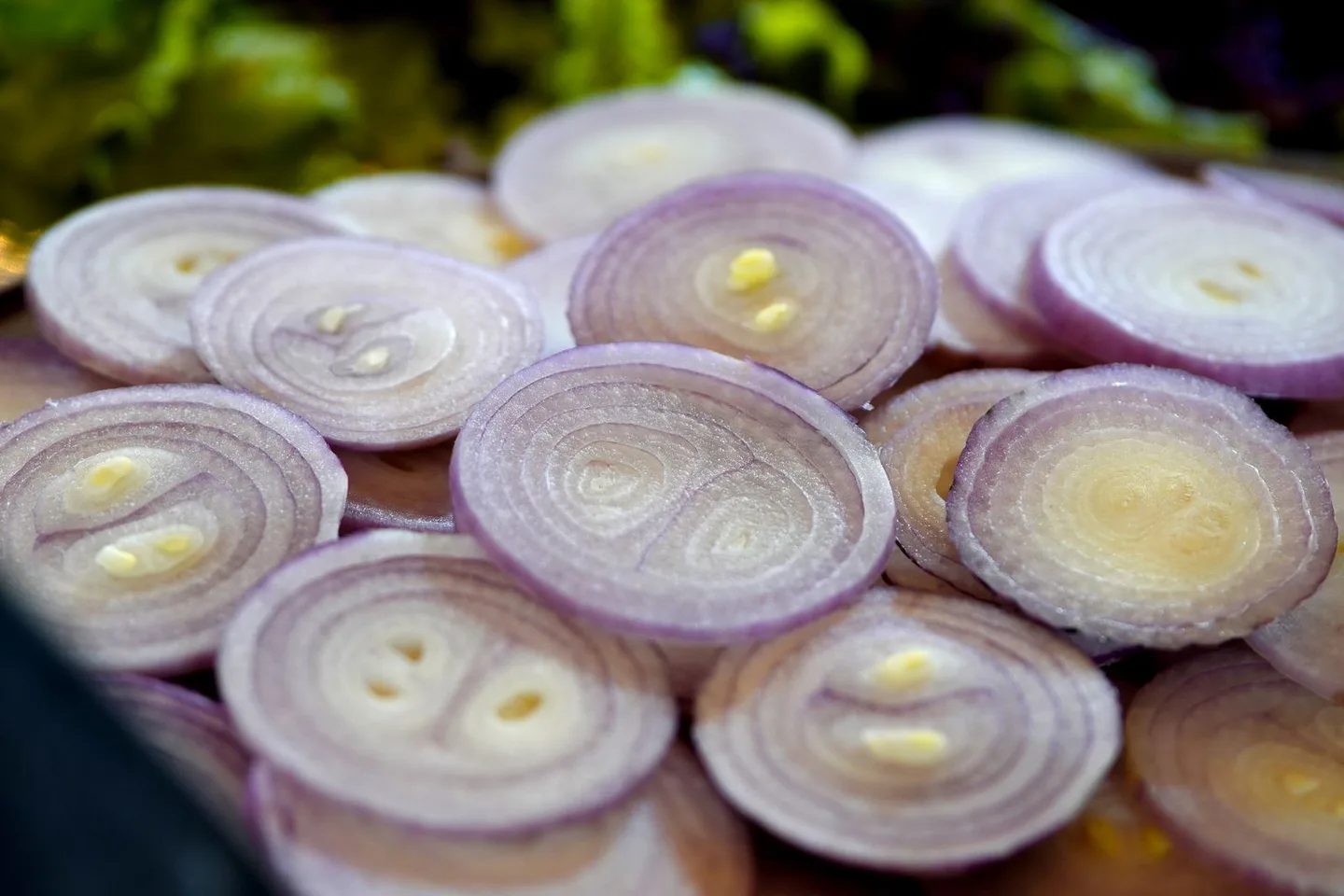
A Better Way to Slice an Onion
Learn three practical onion cuts, from wide wedges for the oven to thin rings for a sandwich, with a stable setup and clear cues for each.

Recipes, baking, and practical guides for home cooks.
Learn three practical onion cuts, from wide wedges for the oven to thin rings for a sandwich, with a stable setup and clear cues for each.
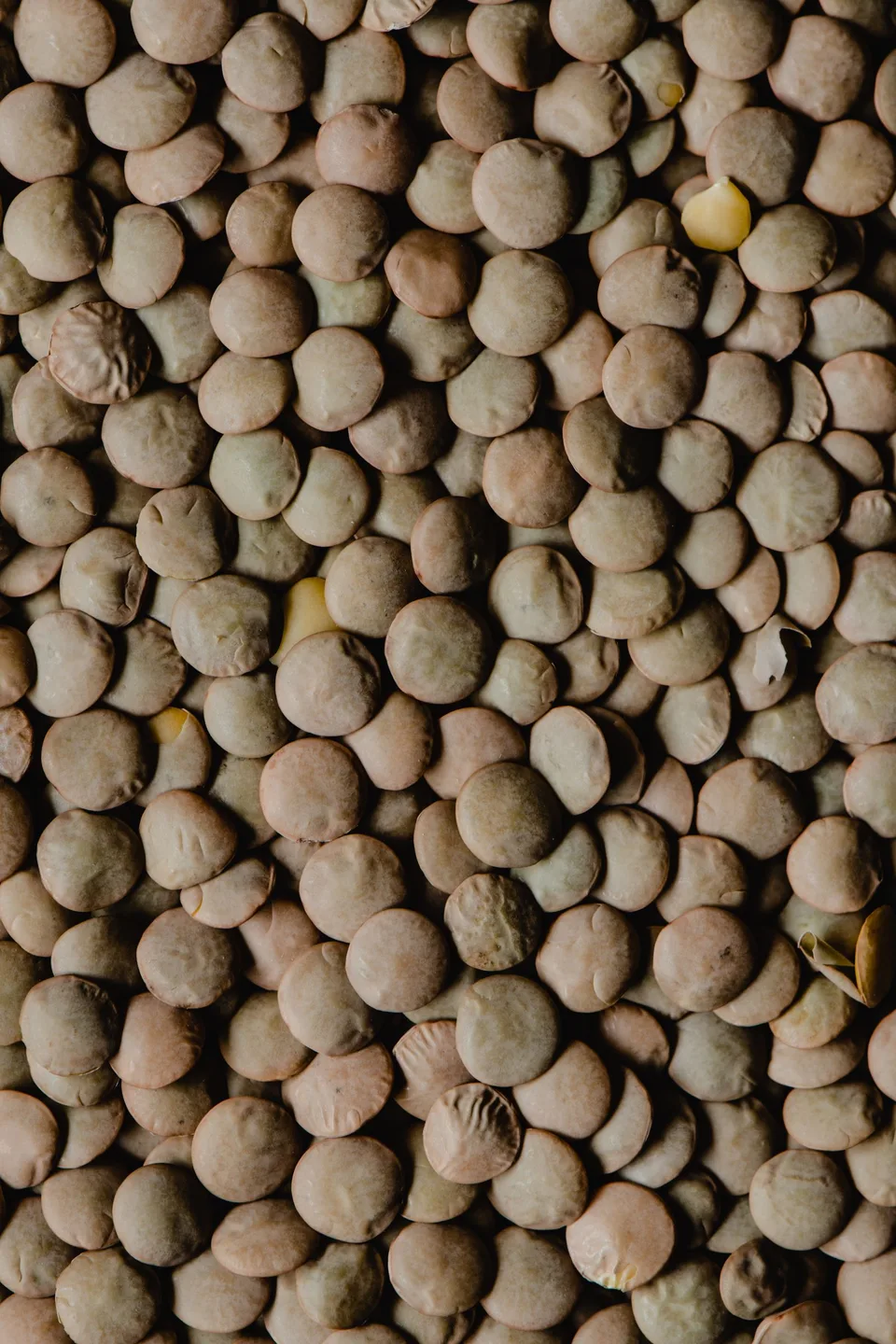
A lentil that holds its shape and one that melts into the pot lead to completely different dinners. Shop and season with that difference in mind.
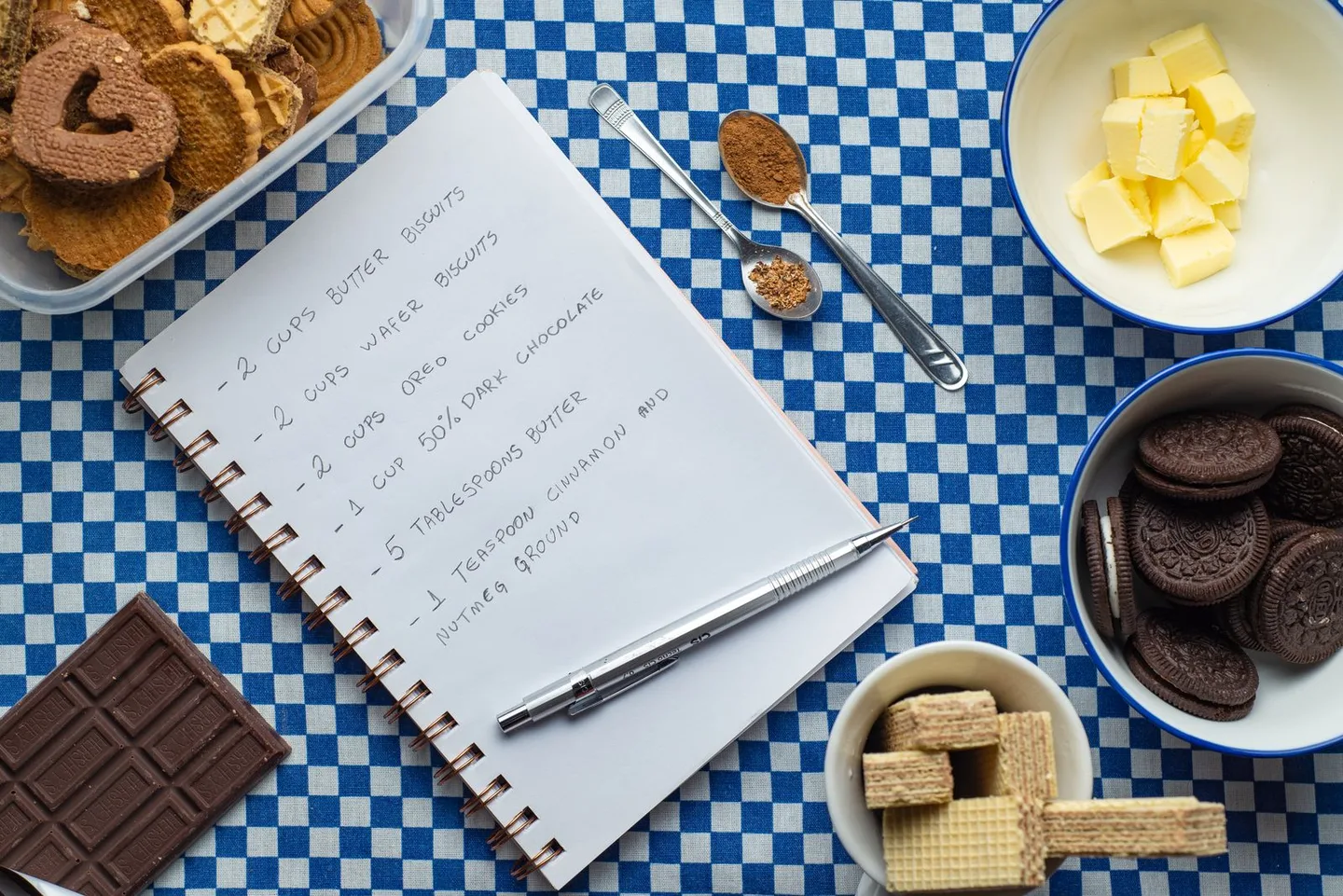
A recipe card records what the writer thought you already knew. Preserve the card, then cook beside someone who can explain what the paper leaves out.
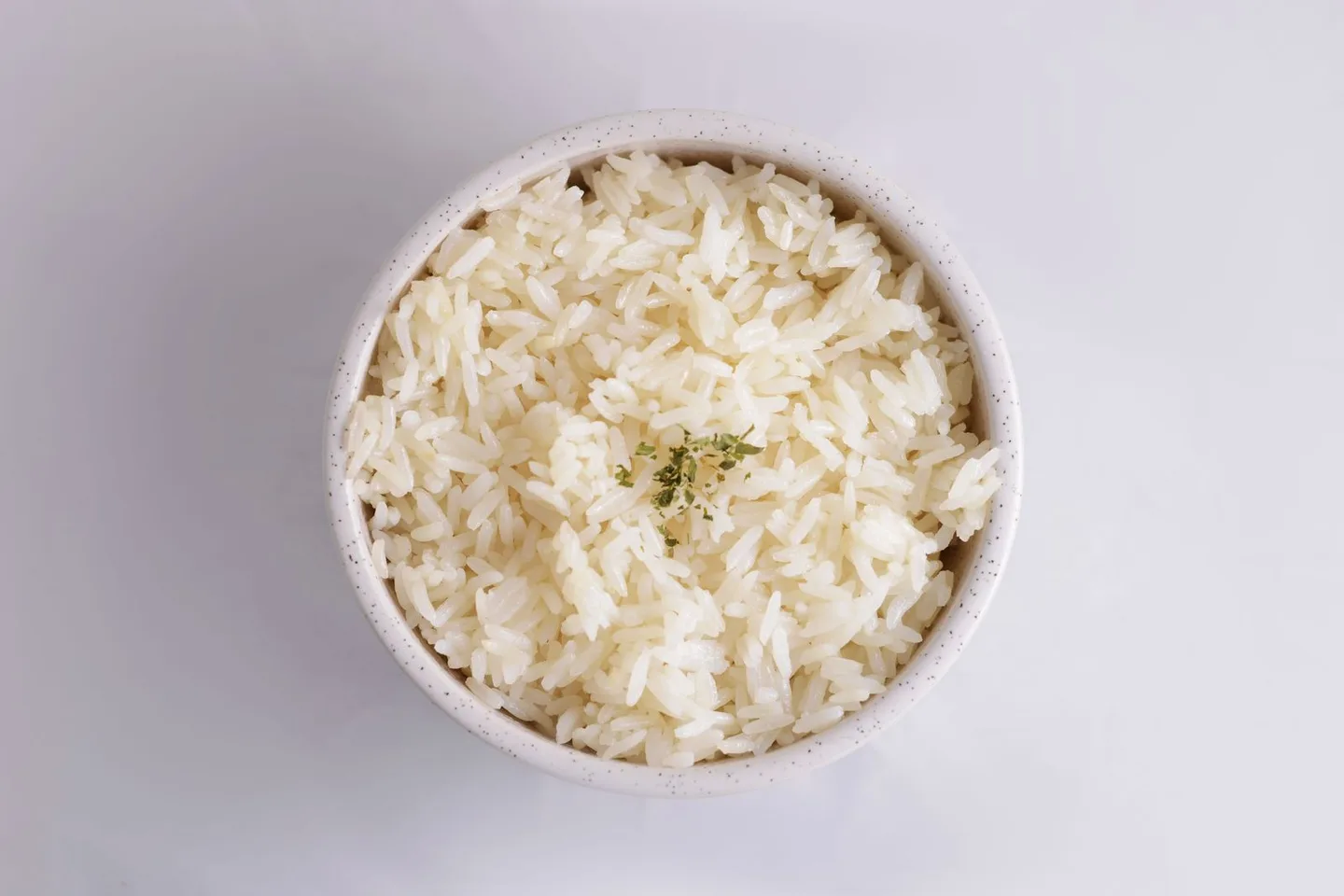
Get separate, tender grains for a rice bowl and learn how to use the pot’s steam, from the first rinse through the covered rest.

Tea and a small plate offer something a full lunch rarely does. Build an afternoon invitation around the time people can spend together.
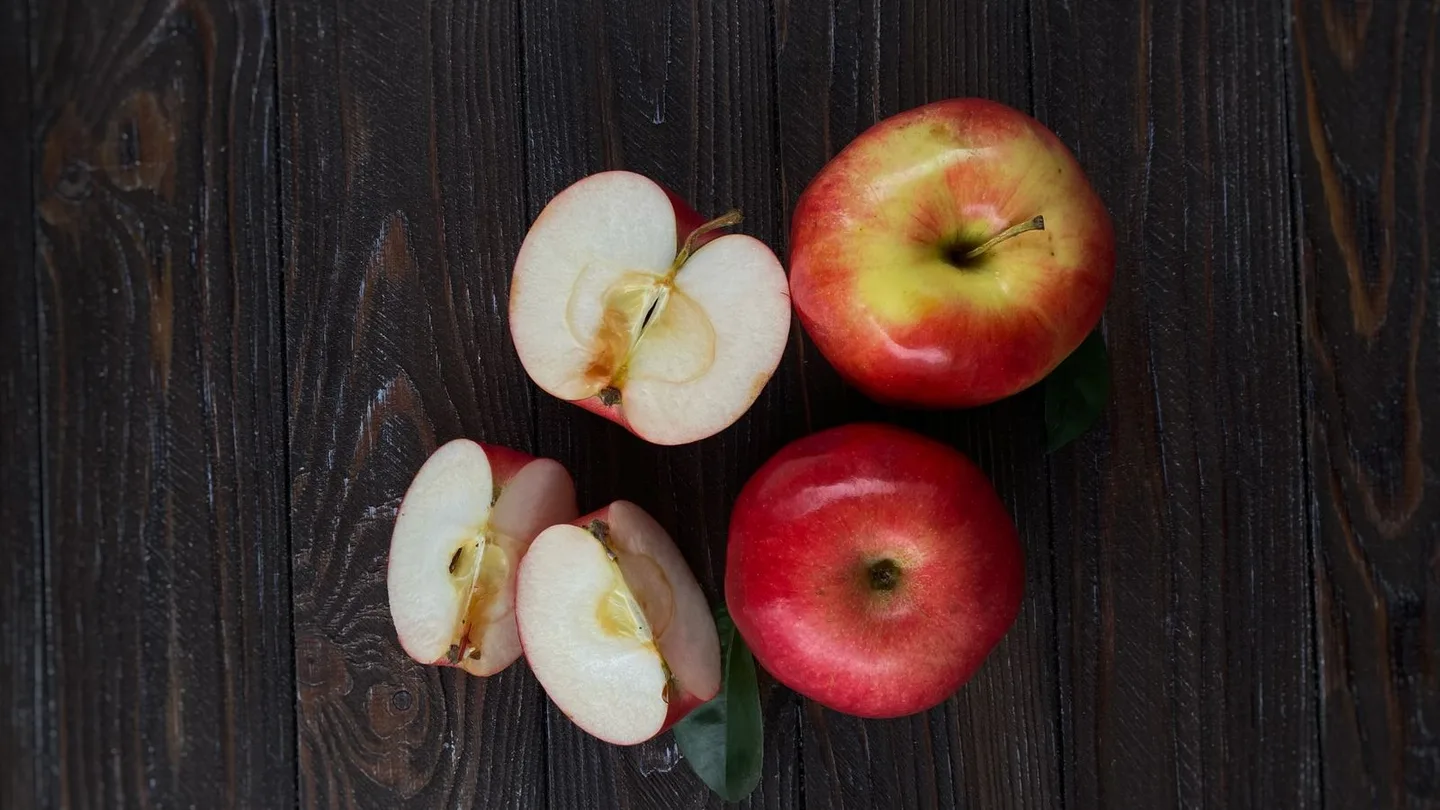
Start with an apple whose texture suits the moment, then decide whether you want a fresh wedge, a cool plate with something savory, or a skillet of warm fruit.
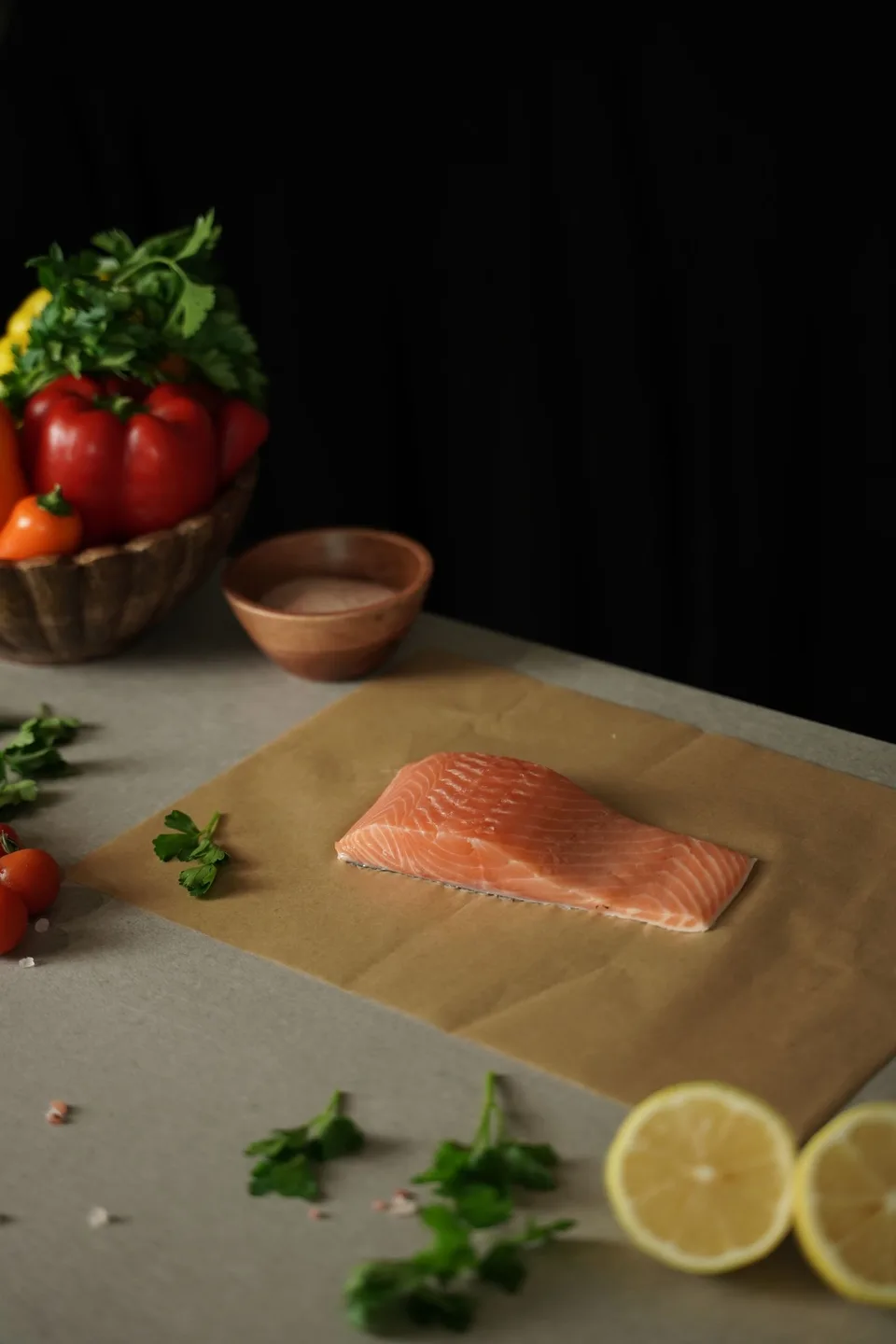
Fold a tidy packet around a fish fillet and quick cooking vegetables, then use the small amount of broth inside to finish the plate.
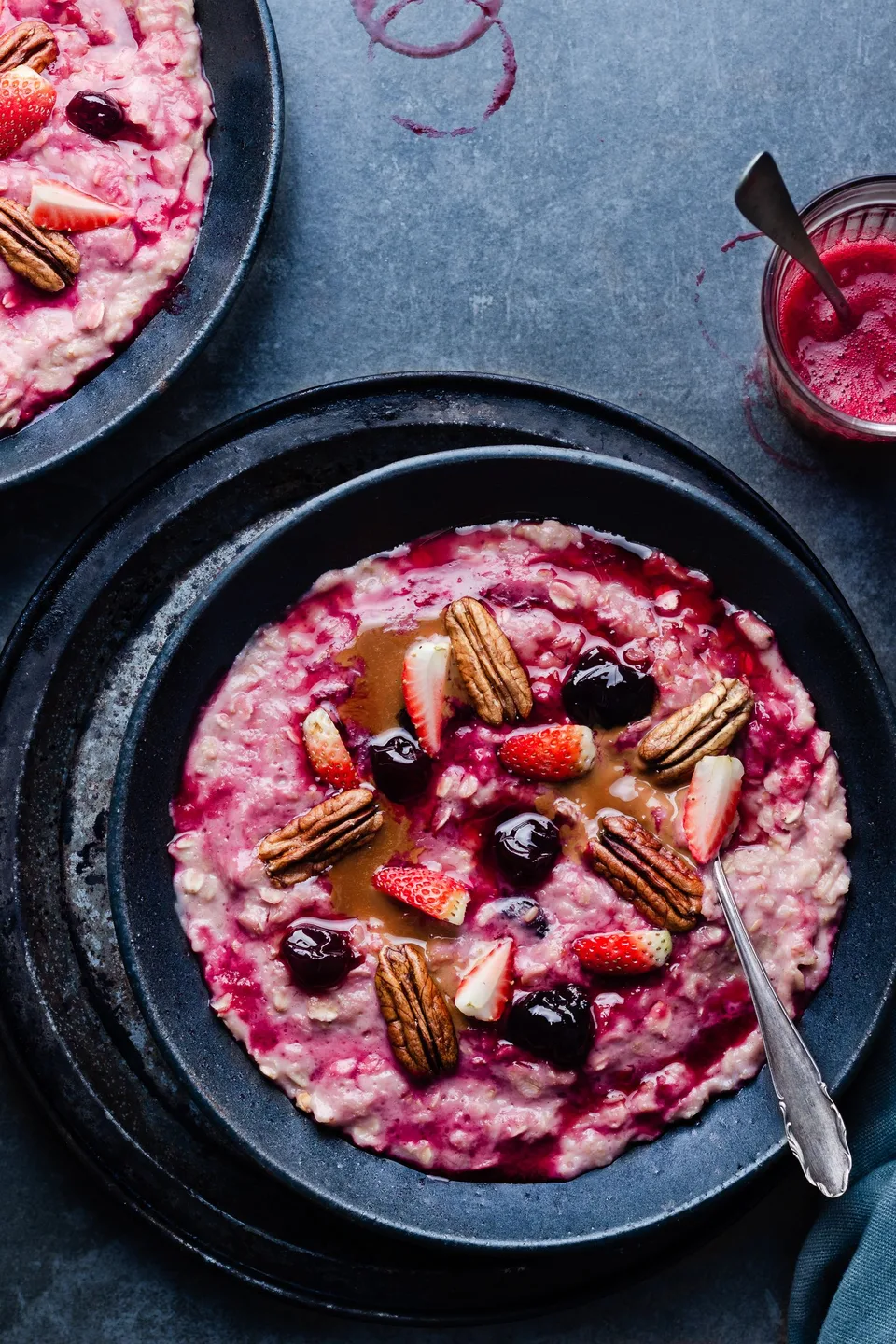
Choose the oats for the time you have, then give their soft grain a companion with enough texture and flavor to last through the bowl.
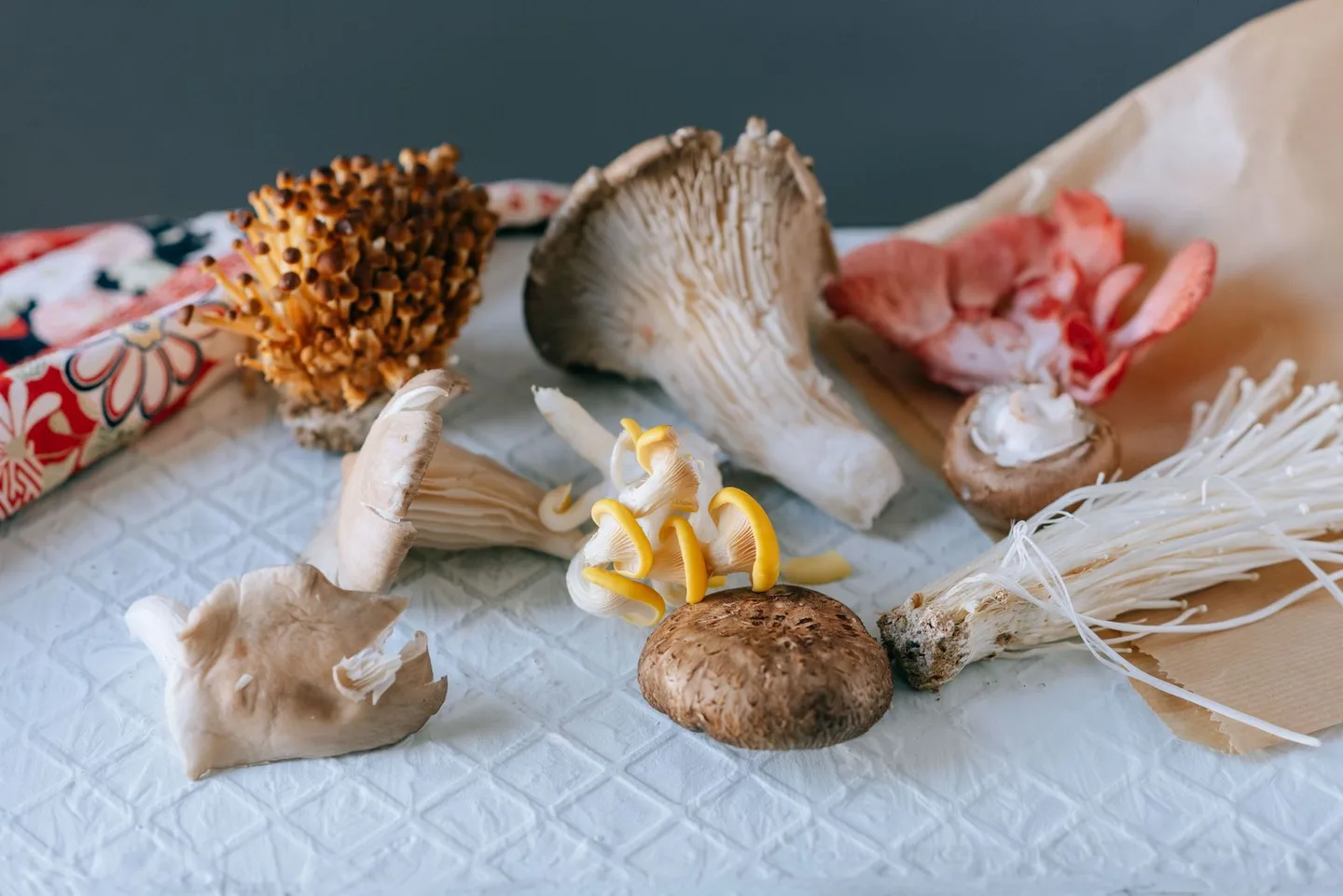
Buttons, oysters, and shiitakes bring different shapes and textures to a meal. Choosing by texture makes them much easier to cook well.
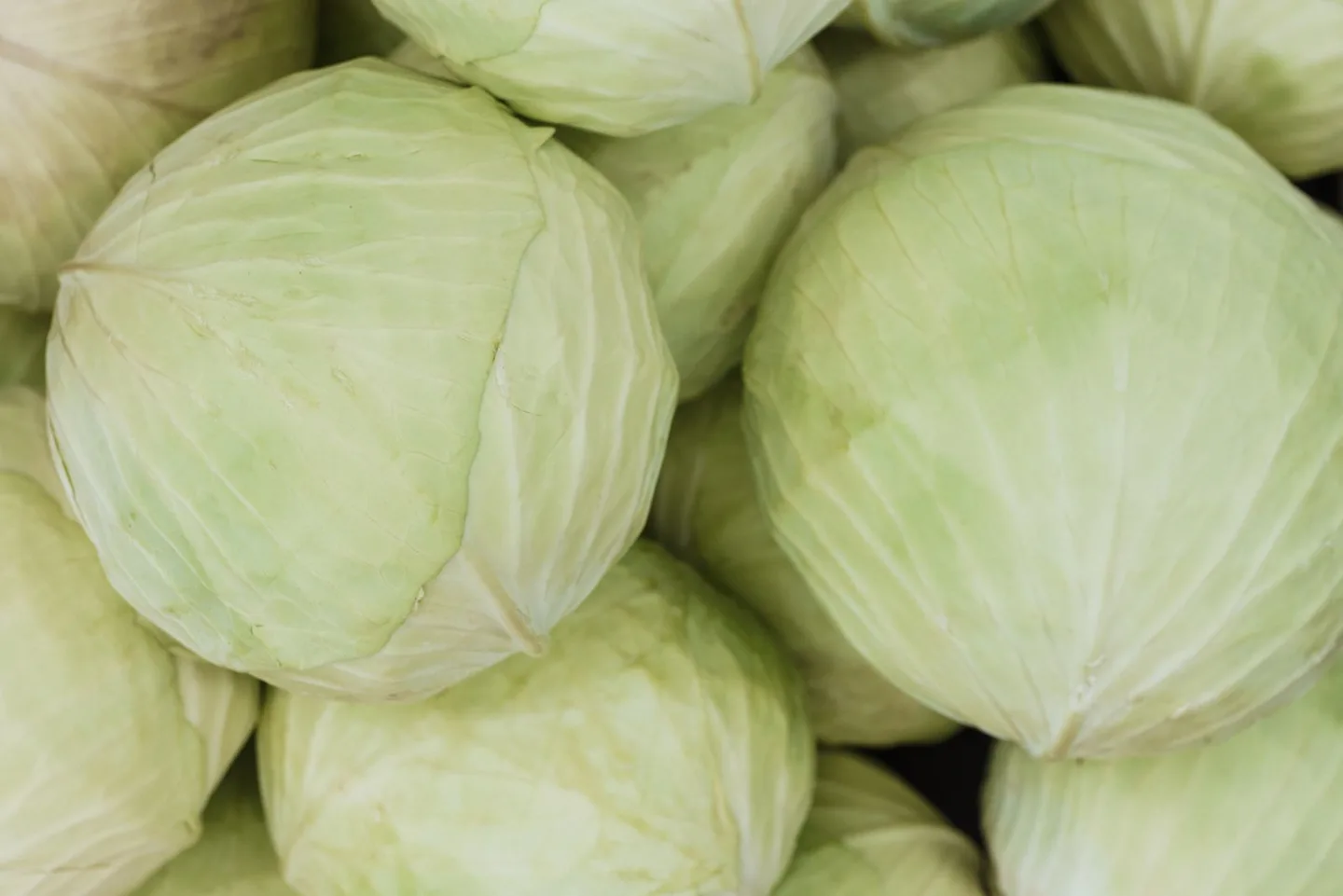
The same head of cabbage can become crisp slaw, a tender skillet dinner, and a tray of deeply browned wedges.
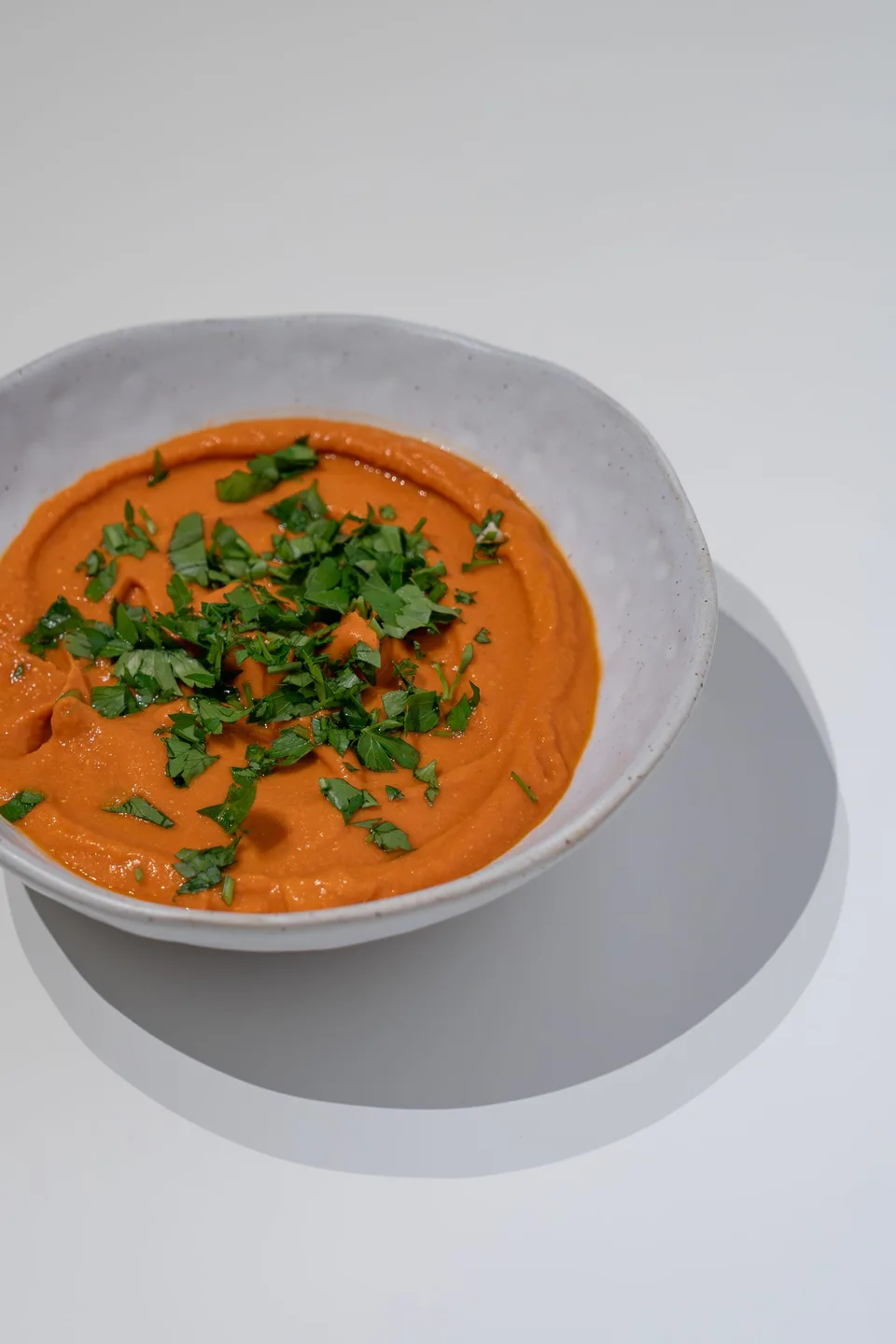
Learn when to soften the onion, how much liquid to start with, and what to taste before reaching for cream.
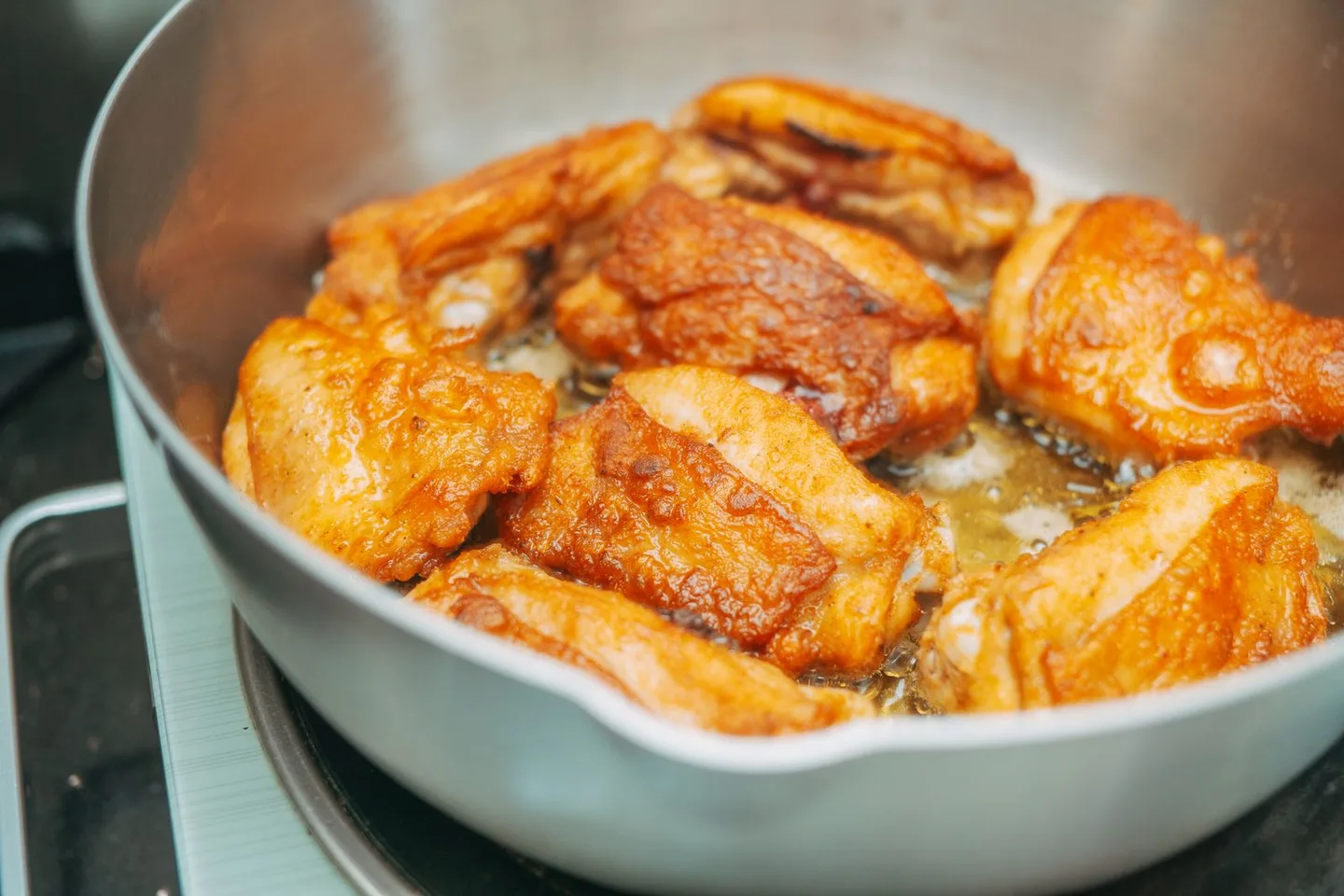
Render skin slowly, finish the meat with steady heat, and use a thermometer to tell when bone-in chicken thighs are ready.
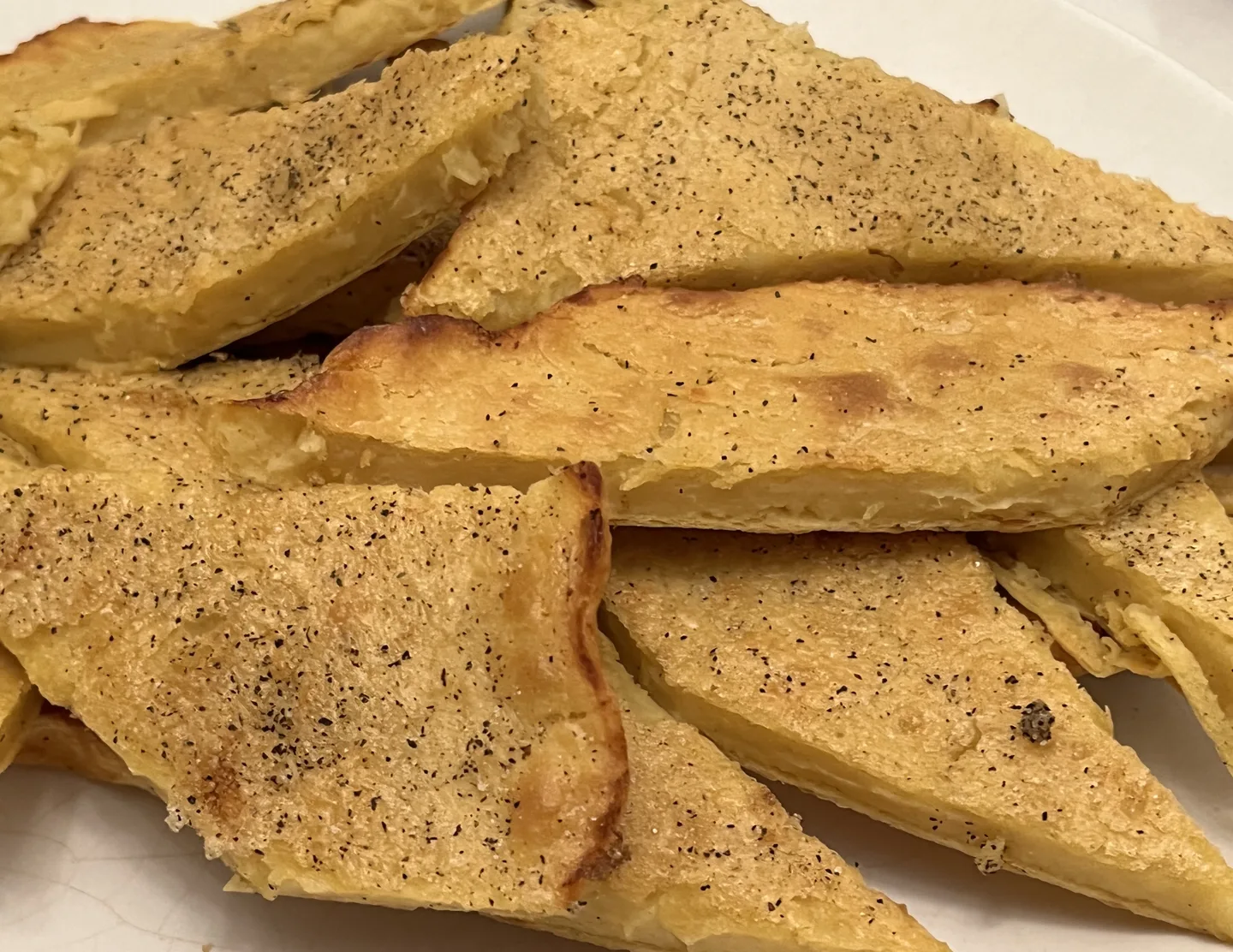
A guide to getting a browned edge and a tender middle from chickpea flour, water, and a properly heated pan.
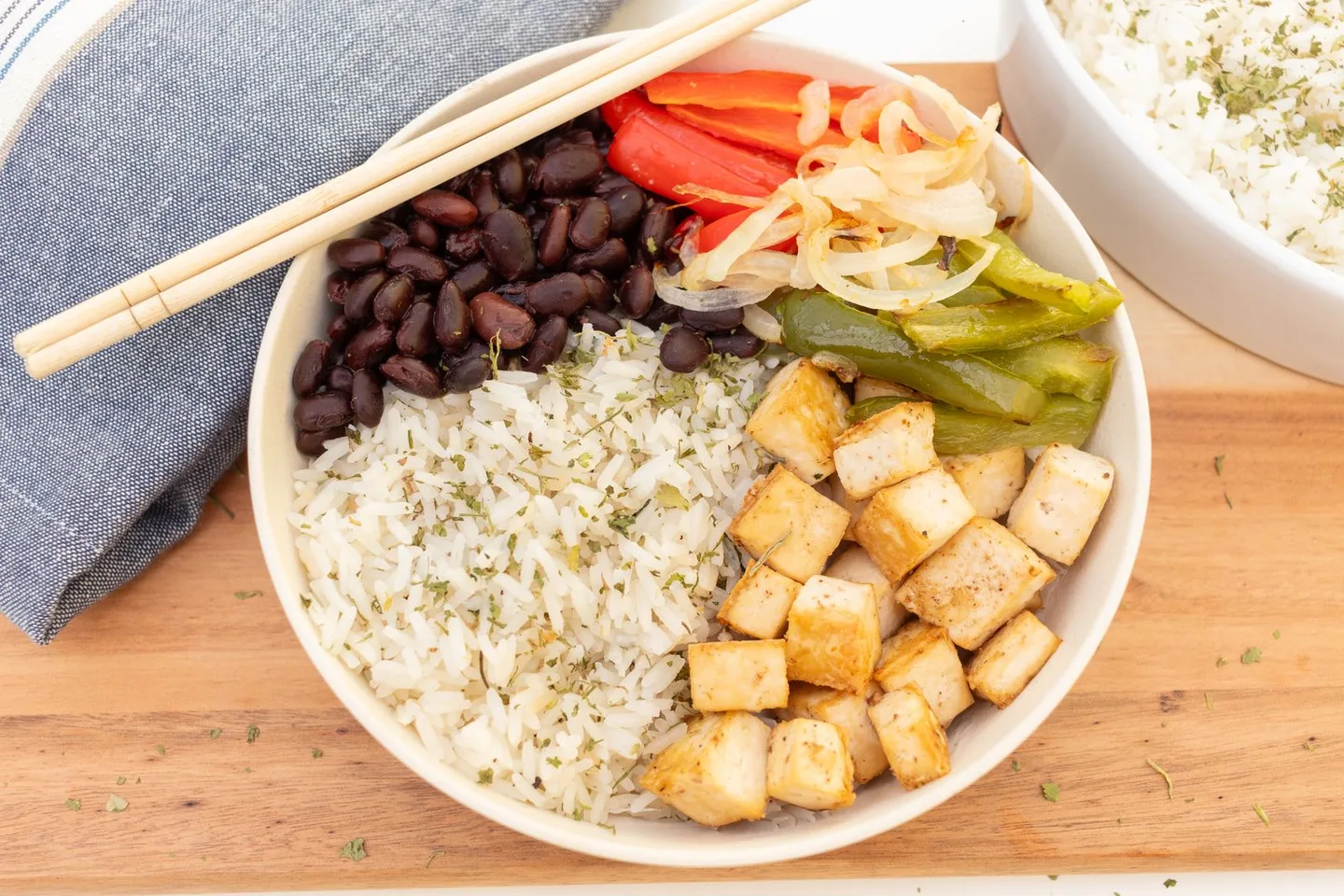
Brown firm tofu in broad pieces and spoon the ginger and soy dressing under it so the crust survives the walk to the table.
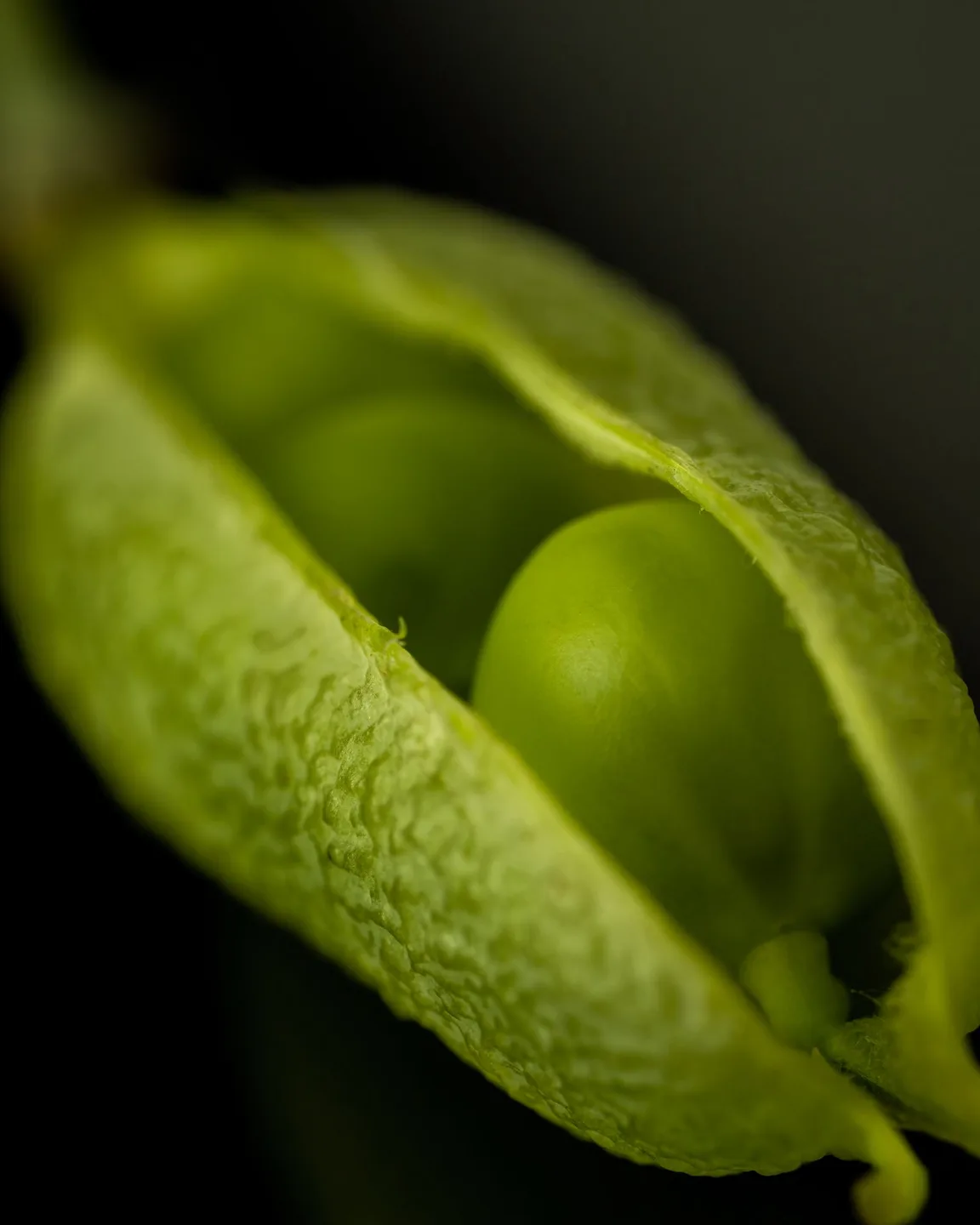
Learn when to simmer, crush, or fold in frozen peas so the bag in the freezer can improve a meal without taking it over.
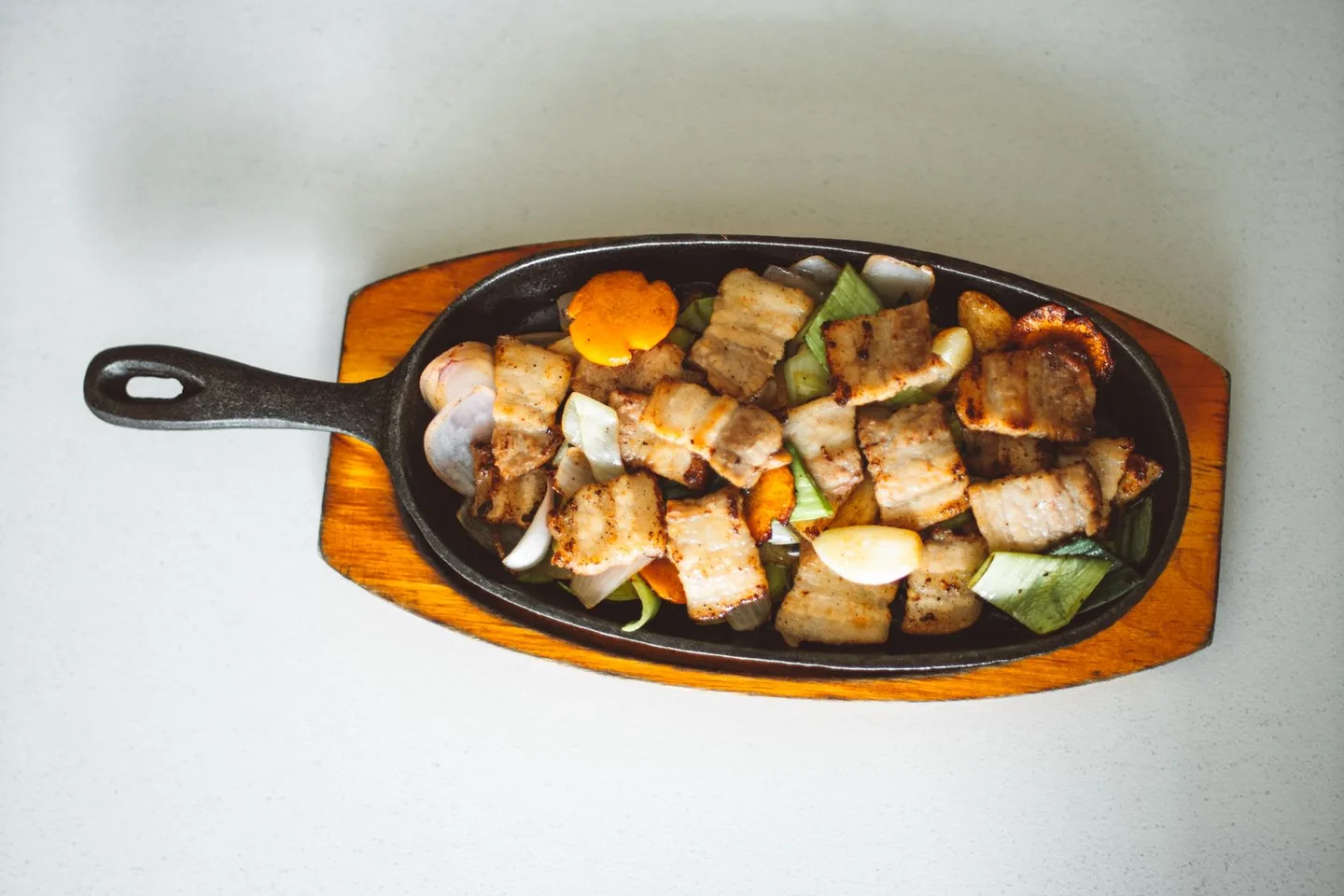
Learn how to heat, cook in, clean, and store a bare cast iron skillet with a few experiments that reveal how your own pan behaves.
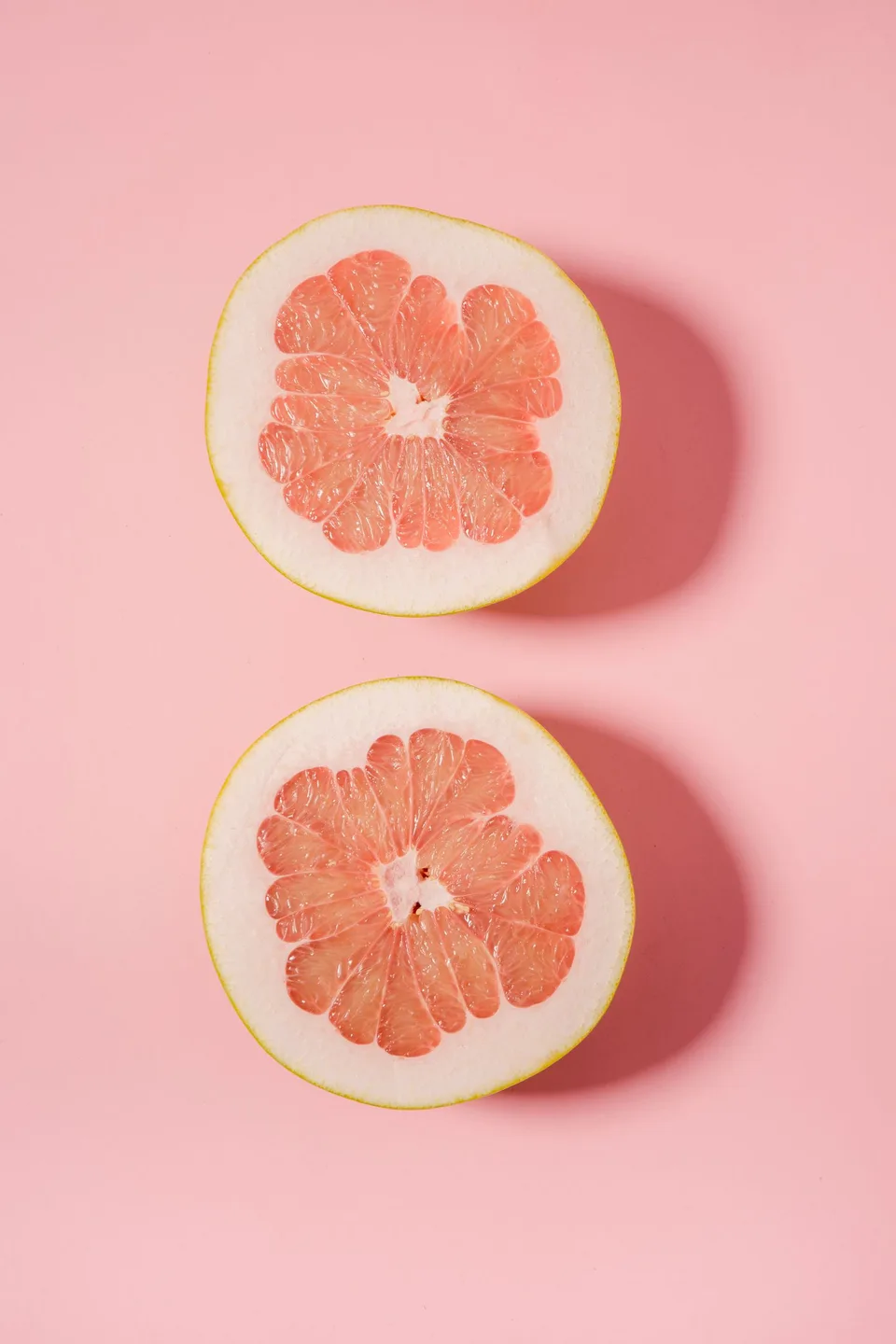
One grapefruit holds several distinctly useful flavors. Use the flesh in a salad, its juice in a dressing, or its peel to perfume sugar.
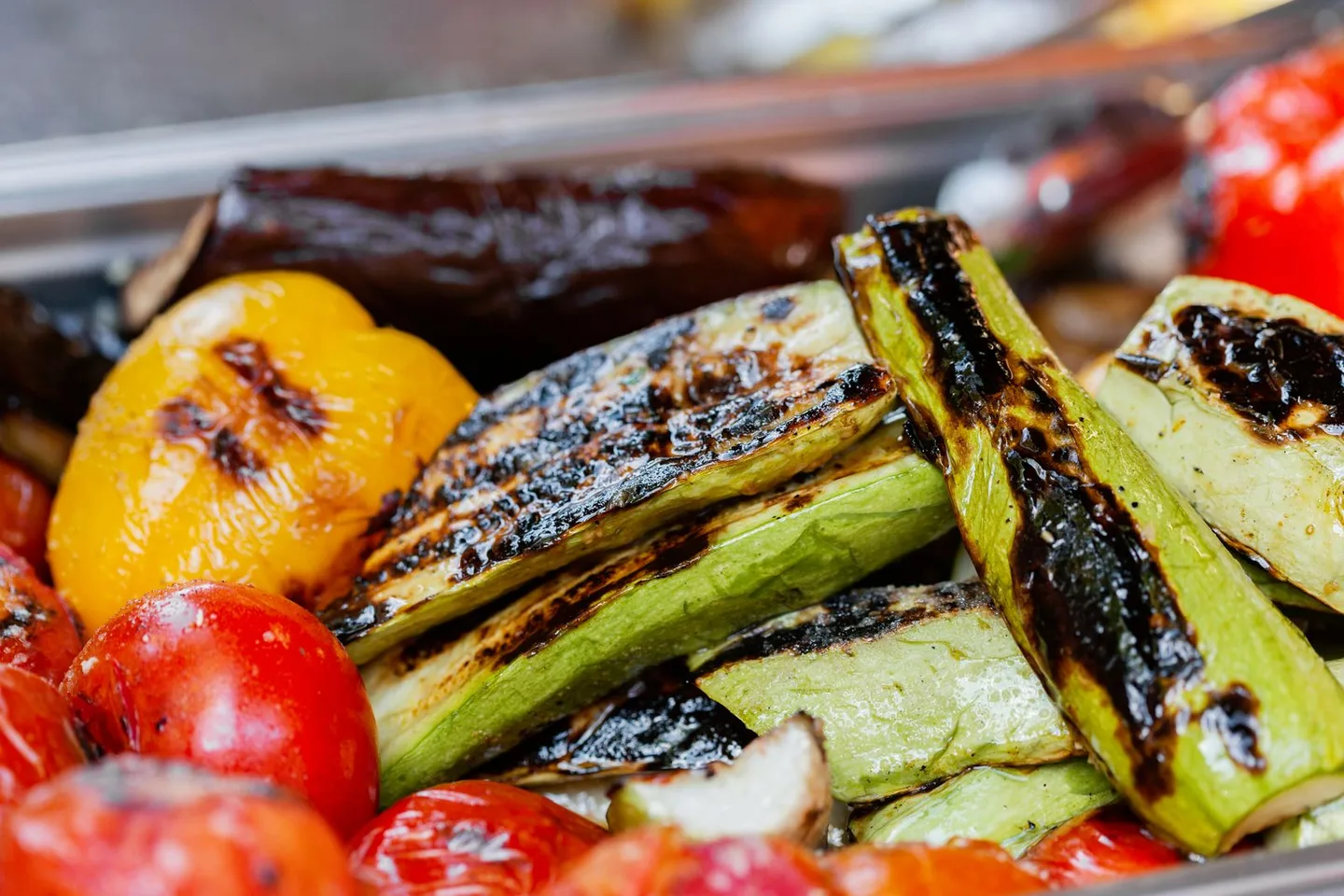
Use thicker slabs, a hot grate, and one deliberate flip to bring out zucchini’s sweetness without steaming it in its own juices.

Bread, pickles, a soft spread and a warm plate have different jobs. Their placement matters as much as the number of dishes.
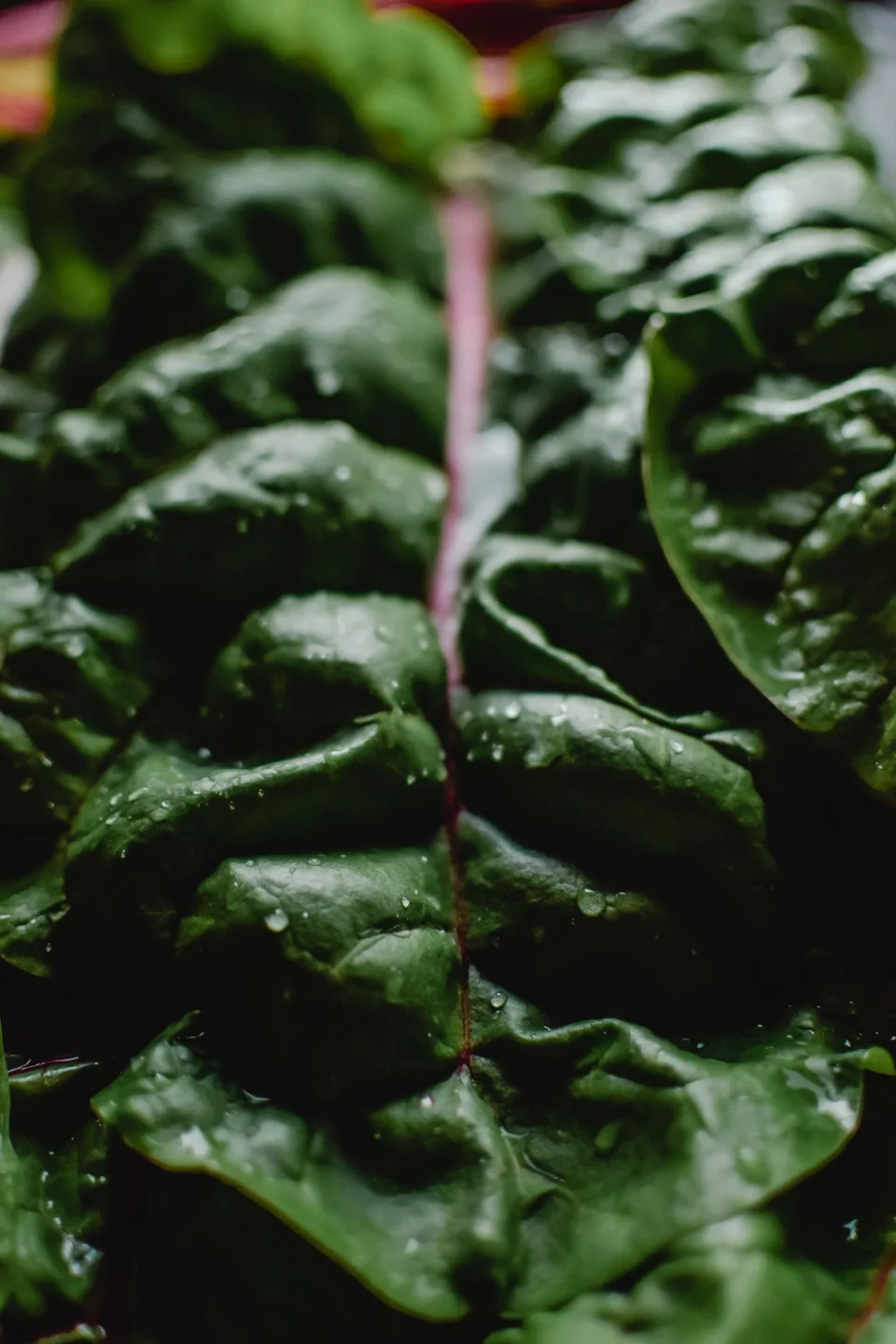
Choose a green by how you want it to feel on the plate, and decide when to prepare it so the rest of dinner does not have to wait.
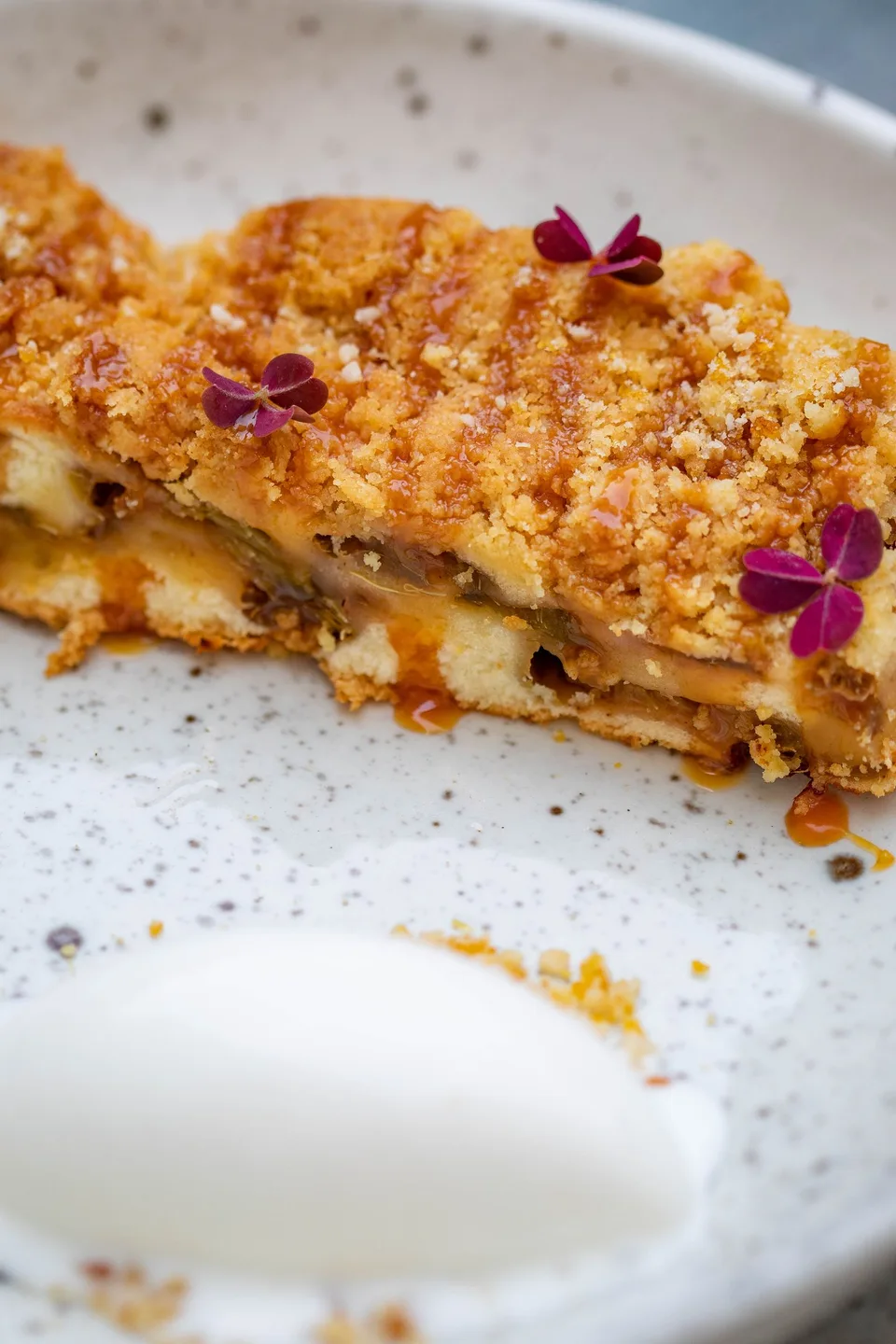
Build a rough oat topping with flakes, crumbs and clusters, then choose apples that soften without flooding the dish.

Orange zest, plain yogurt and a thin coat of syrup give this everyday loaf three different kinds of brightness. The trick is knowing where each one belongs.
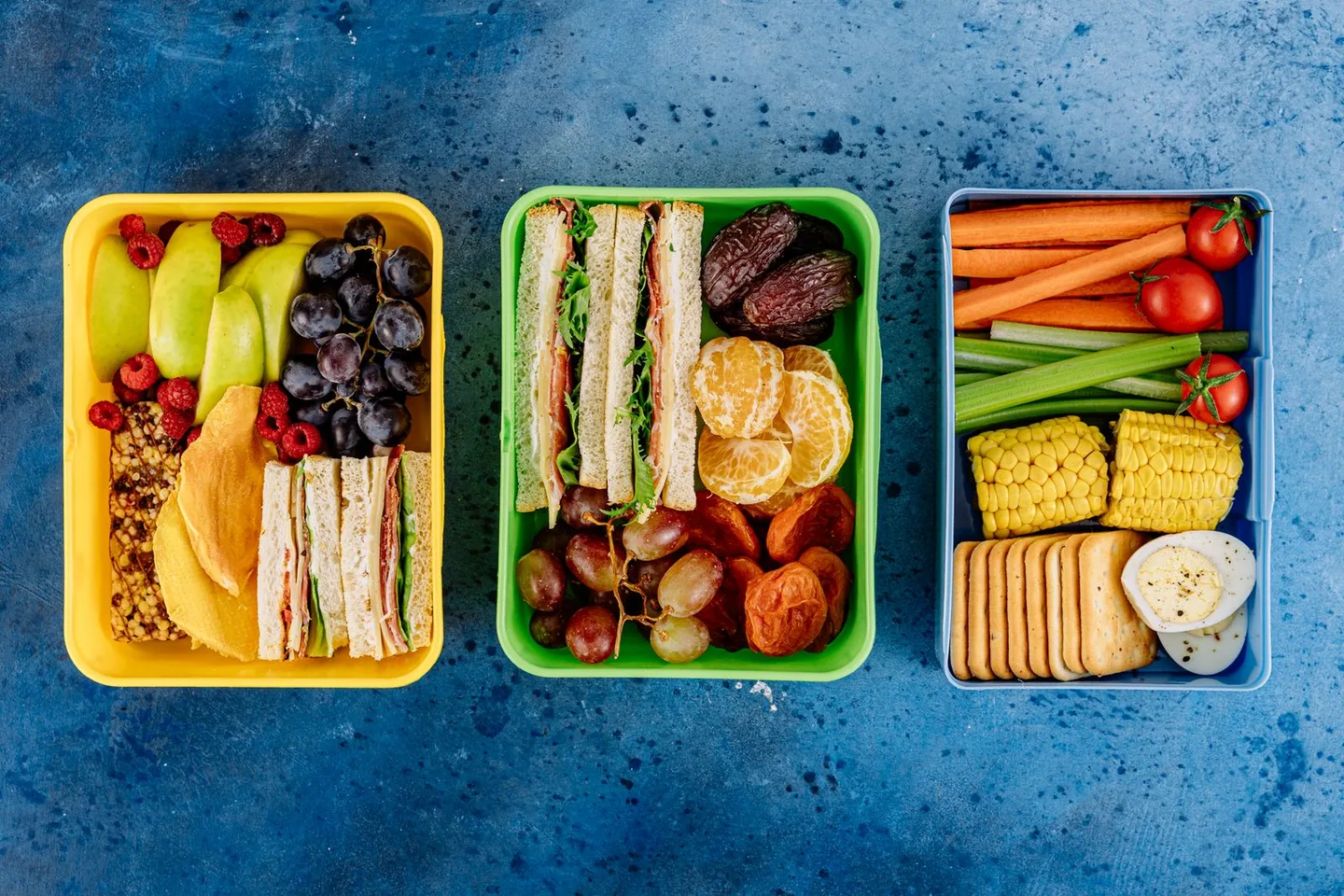
Pack cold ingredients in the order you will eat them, and let vegetables and crisp toppings meet their dressing at lunch.
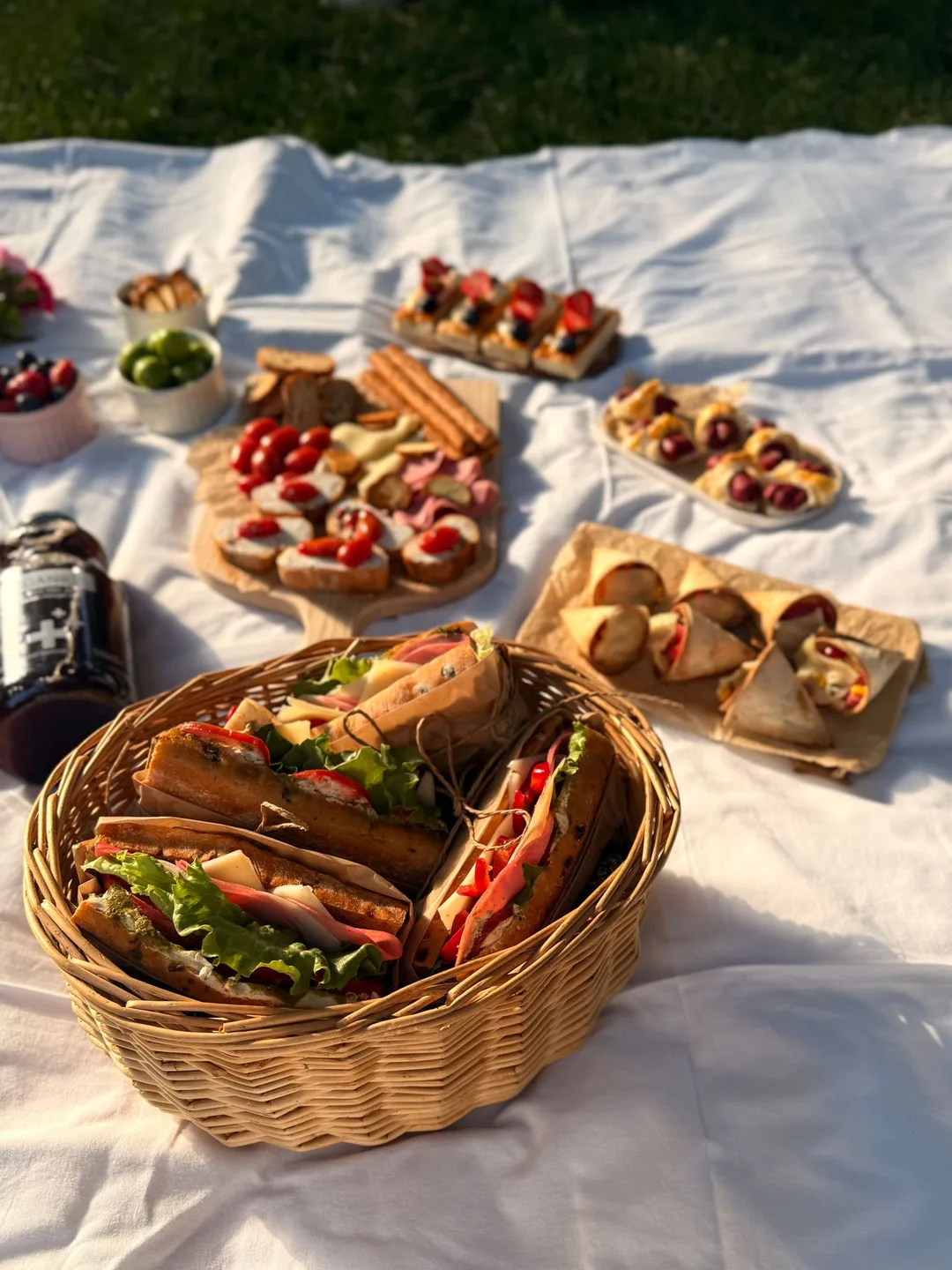
Pack according to where you will sit and how far you will walk. The best outdoor lunch is often the one that needs the least assembly.
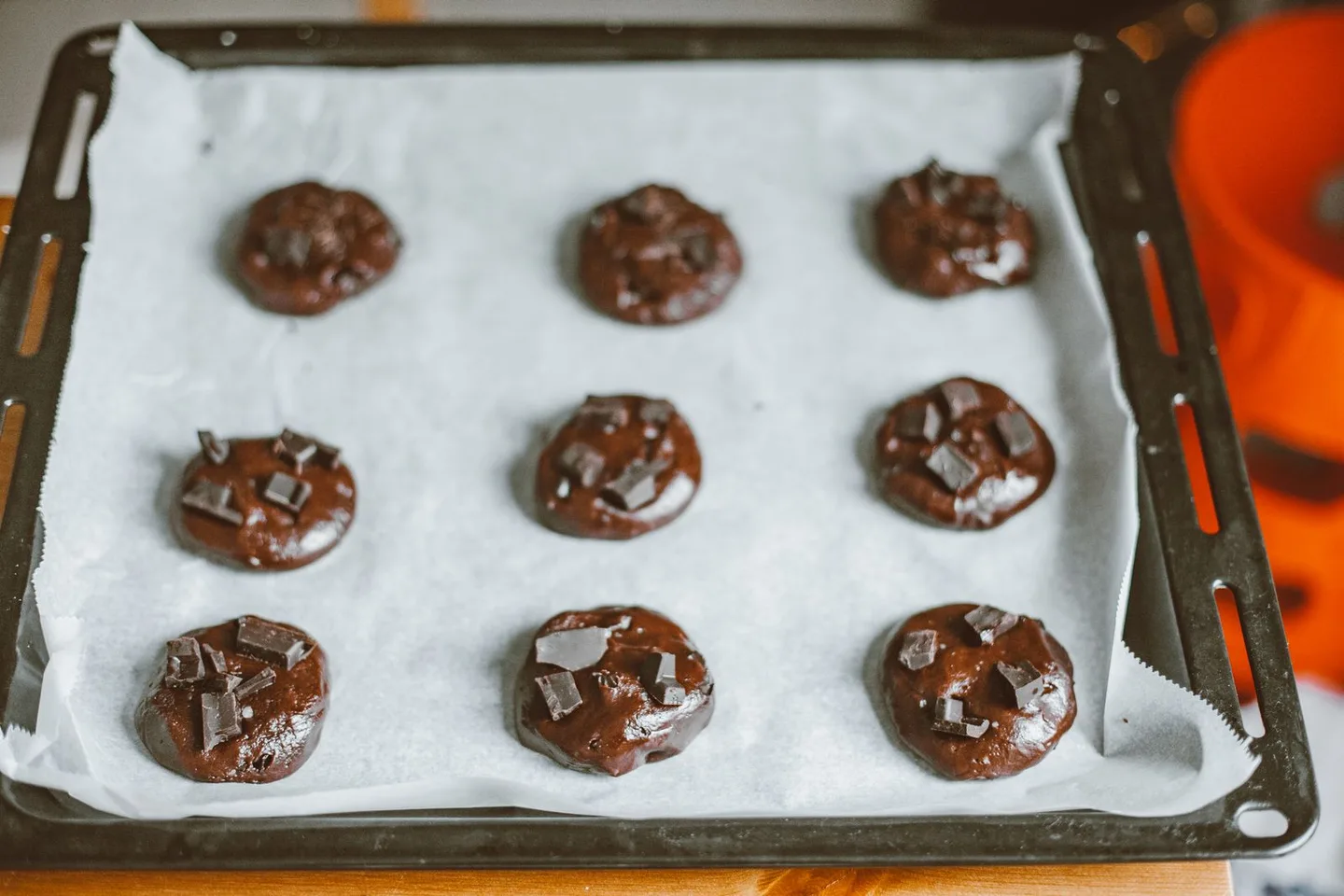
Bake a small tray on three surfaces and the edges tell the story. Here is how to choose a lining for a crisp rim, an even base or an easier release.
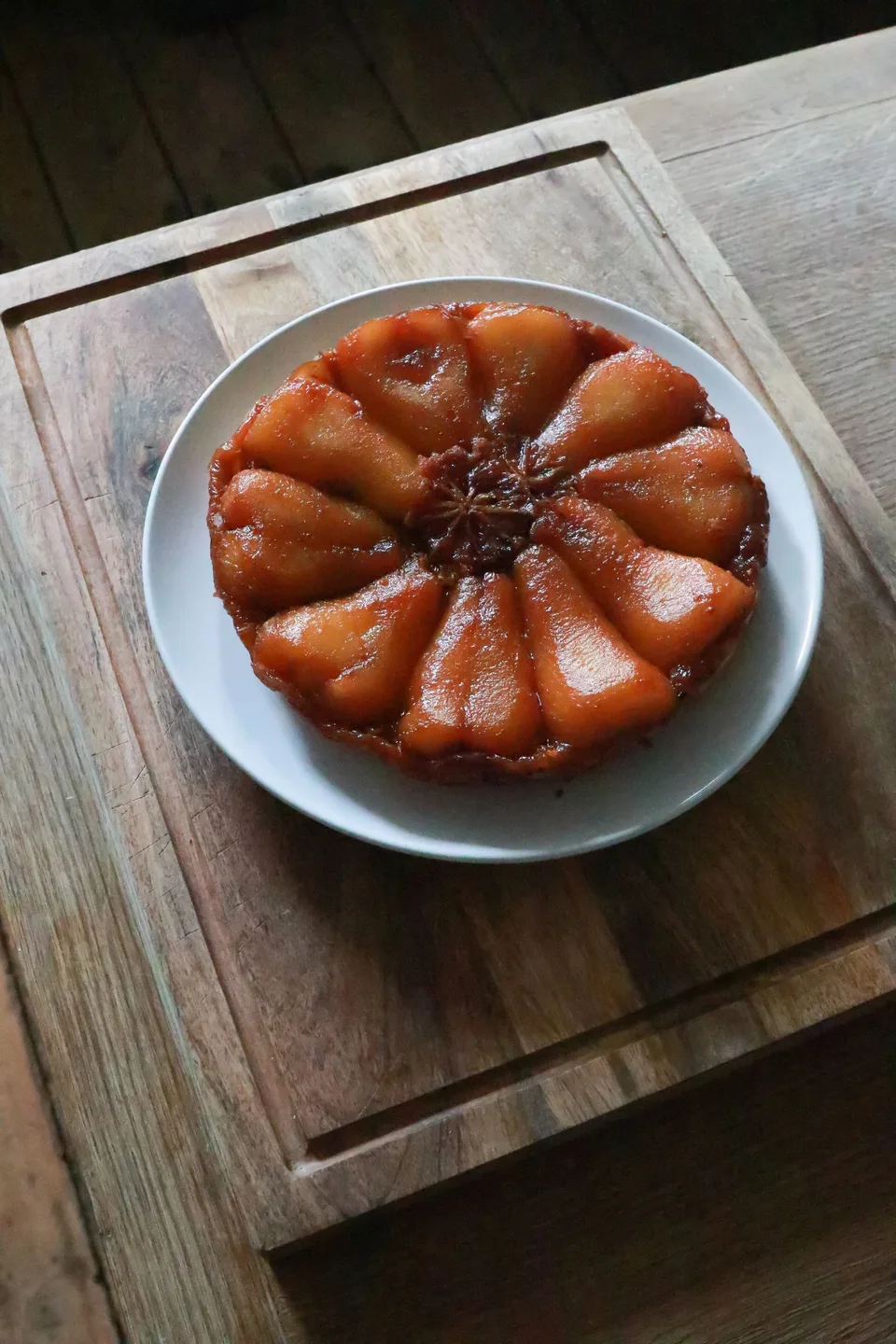
Use a baking sheet, a handful of firm pears and a thin layer of almond meal. A free-form crust gives the fruit room to show.
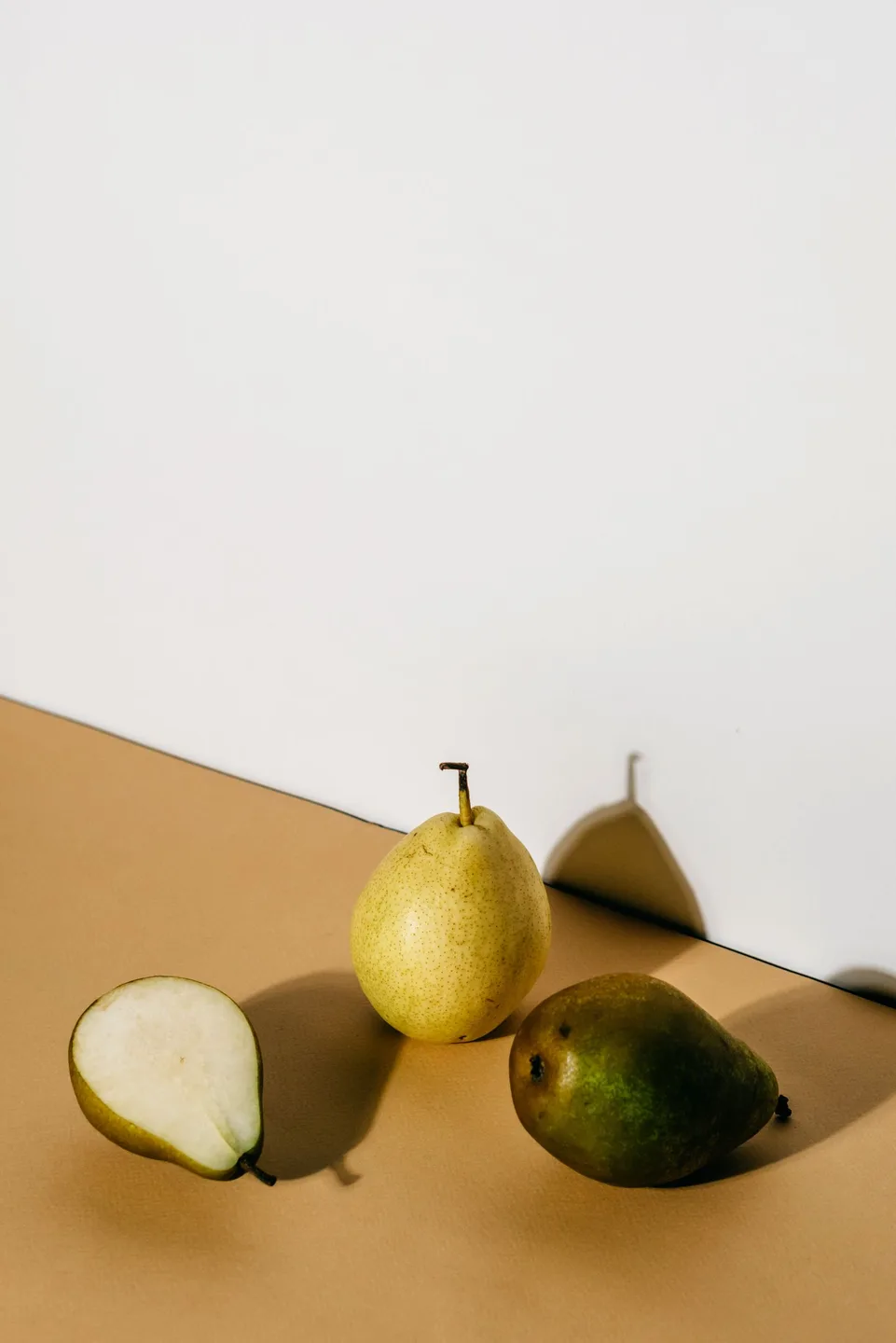
Match the firmness of a pear to the job it will do, from thin slices for a salad to soft fruit for a skillet compote.
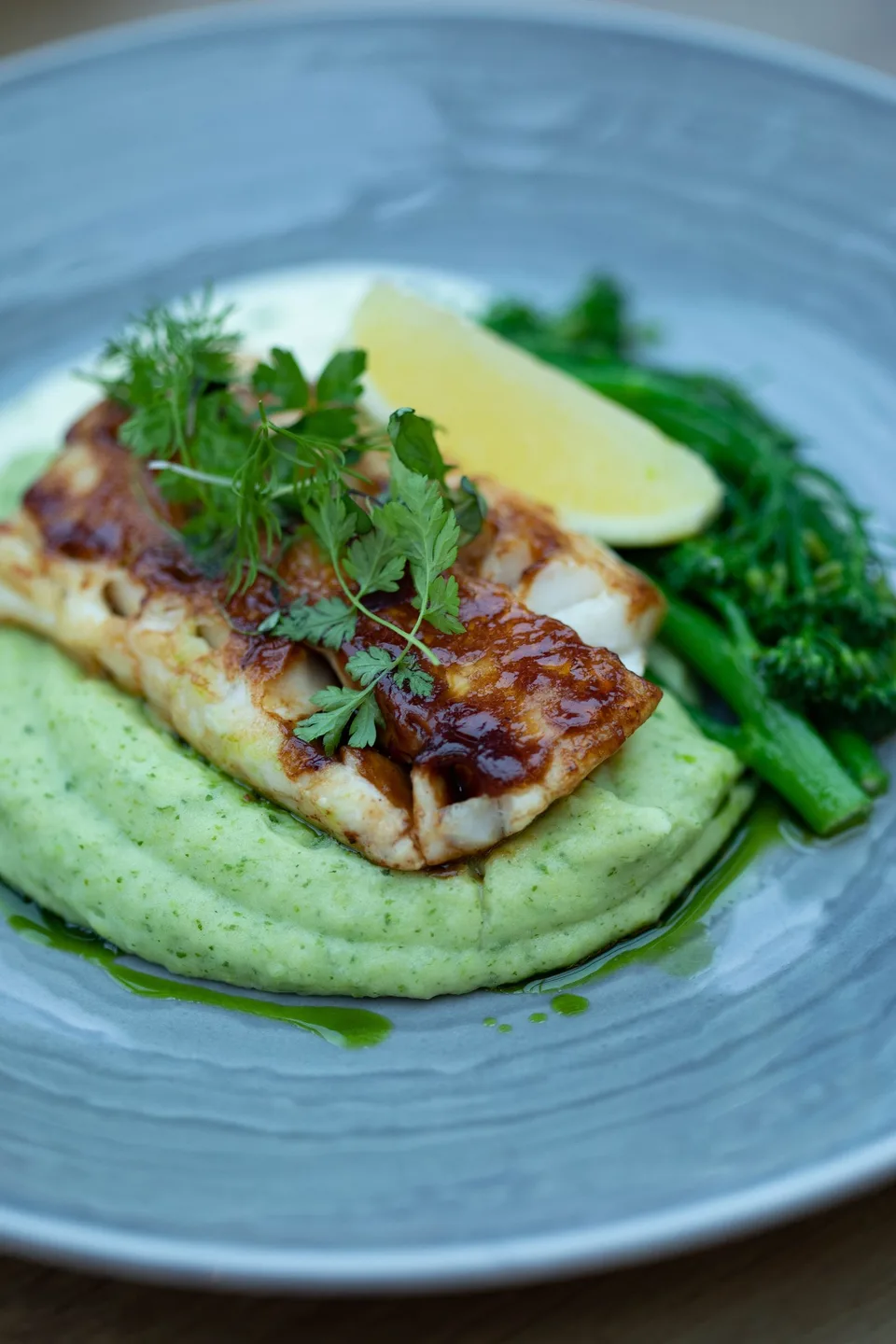
Use fresh fish on the day you can get to the shop, frozen fillets when the calendar is uncertain, and a tin when there is little time at all.
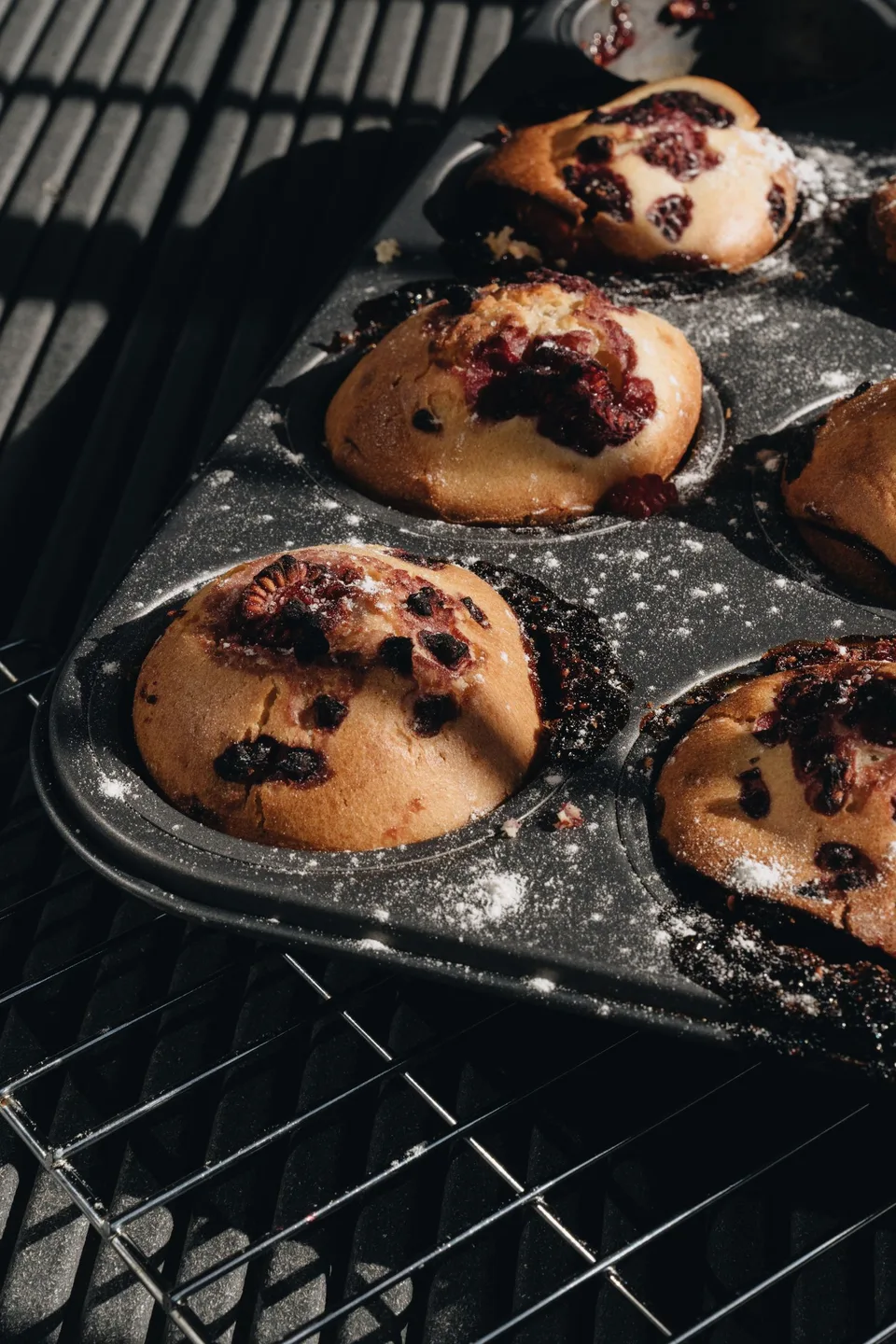
A popover makes much of its progress after it looks finished. Use the oven window, the shape of the pan and the color of the sides to decide when to take it out.
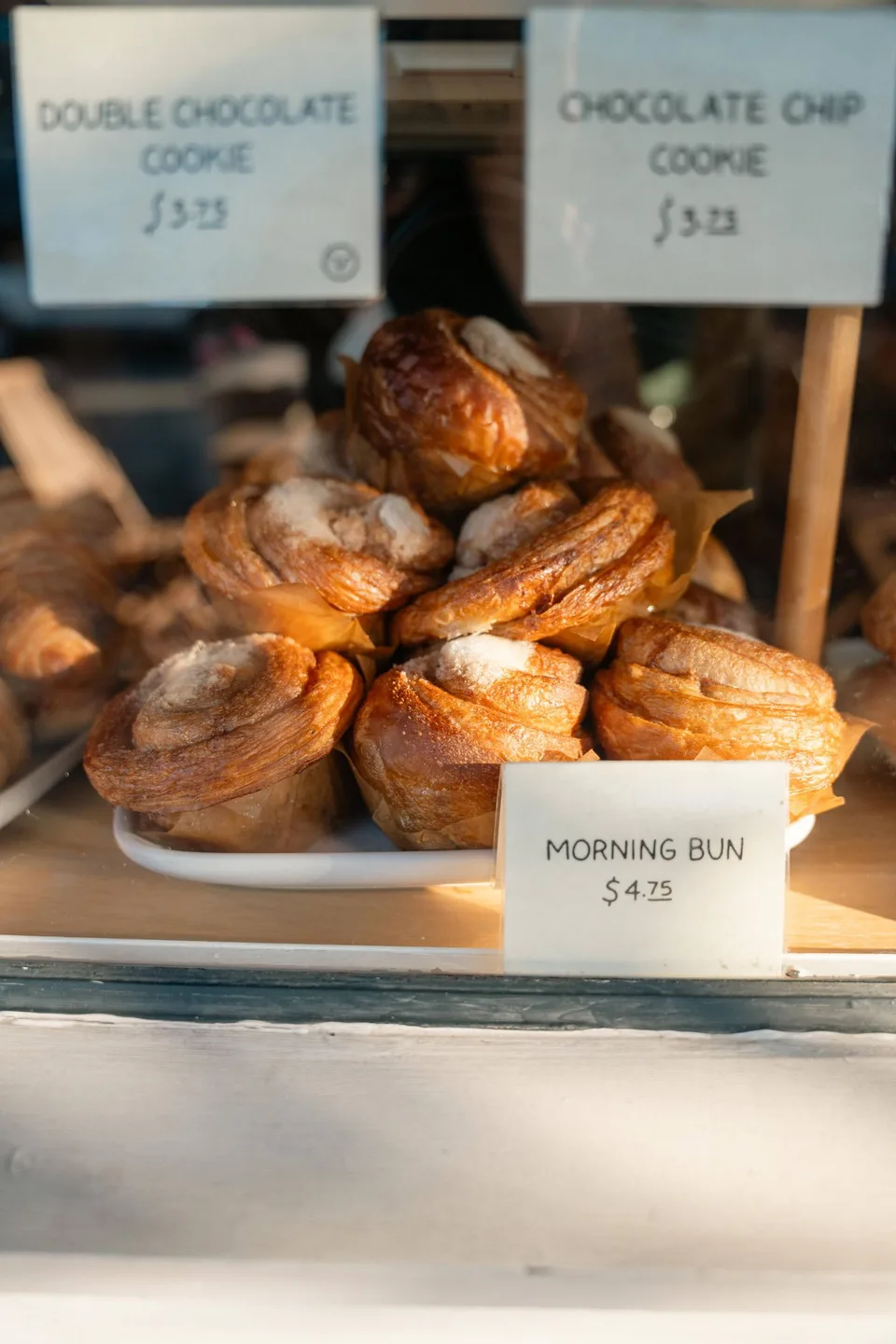
The best thing in the case depends on when and where you will eat it. Read the layers, the edges and the way the staff packs an order.
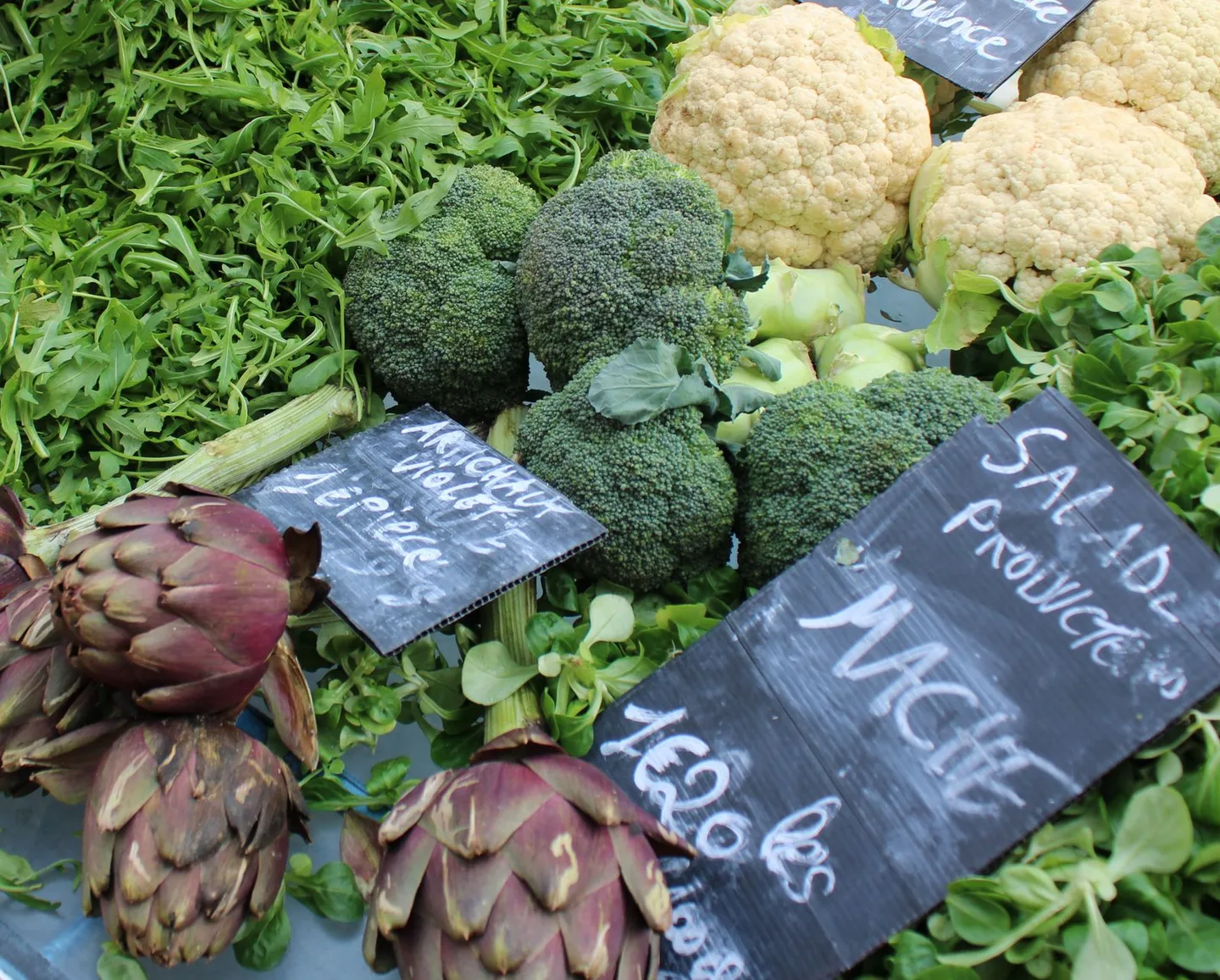
The route, the signs and the small transactions at a produce market tell you almost as much as the displays. Make one empty-handed circuit before you fill a bag.
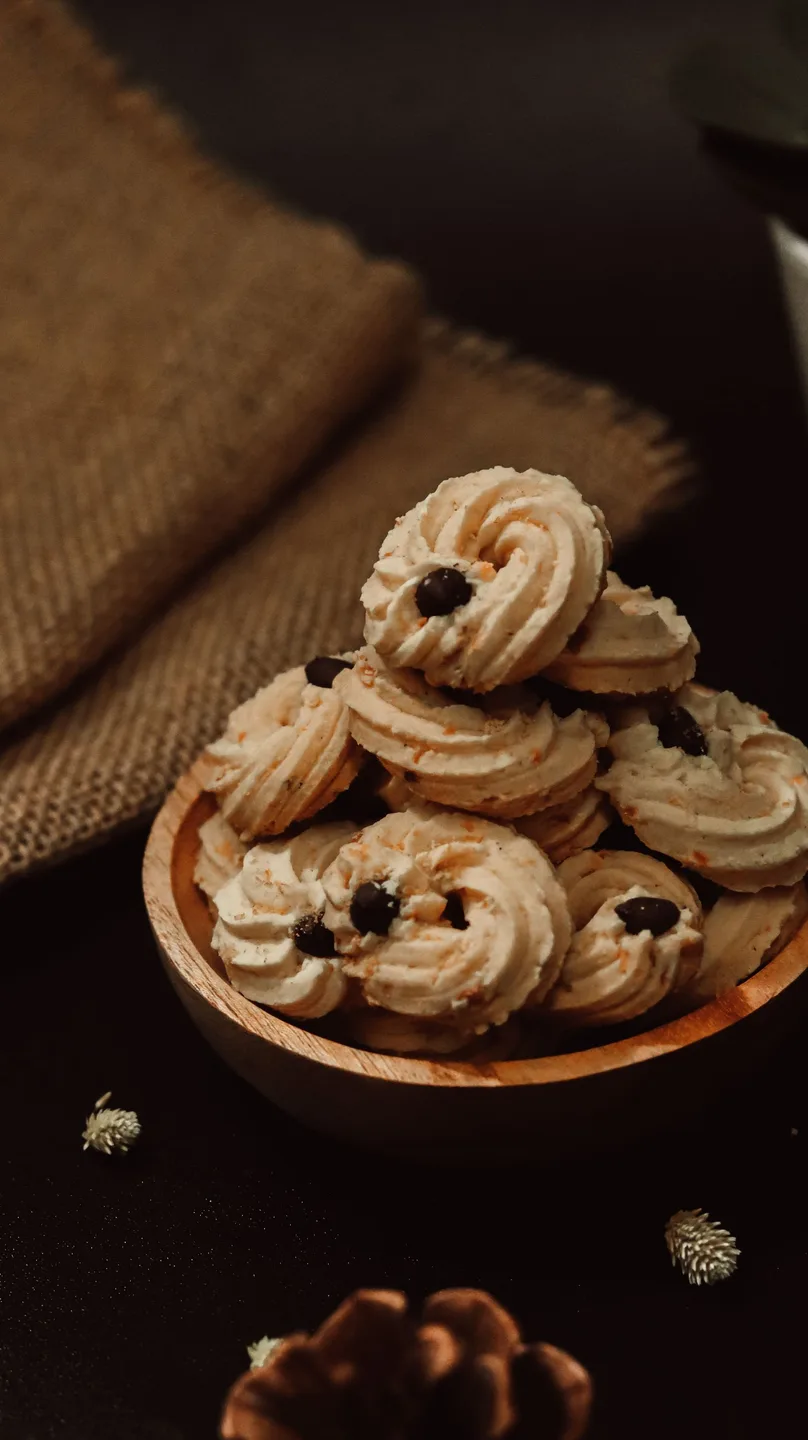
A small share of rye flour and a careful bake give a plain shortbread a nutty edge. Begin with a single pan and let the slices cool before judging the crumb.
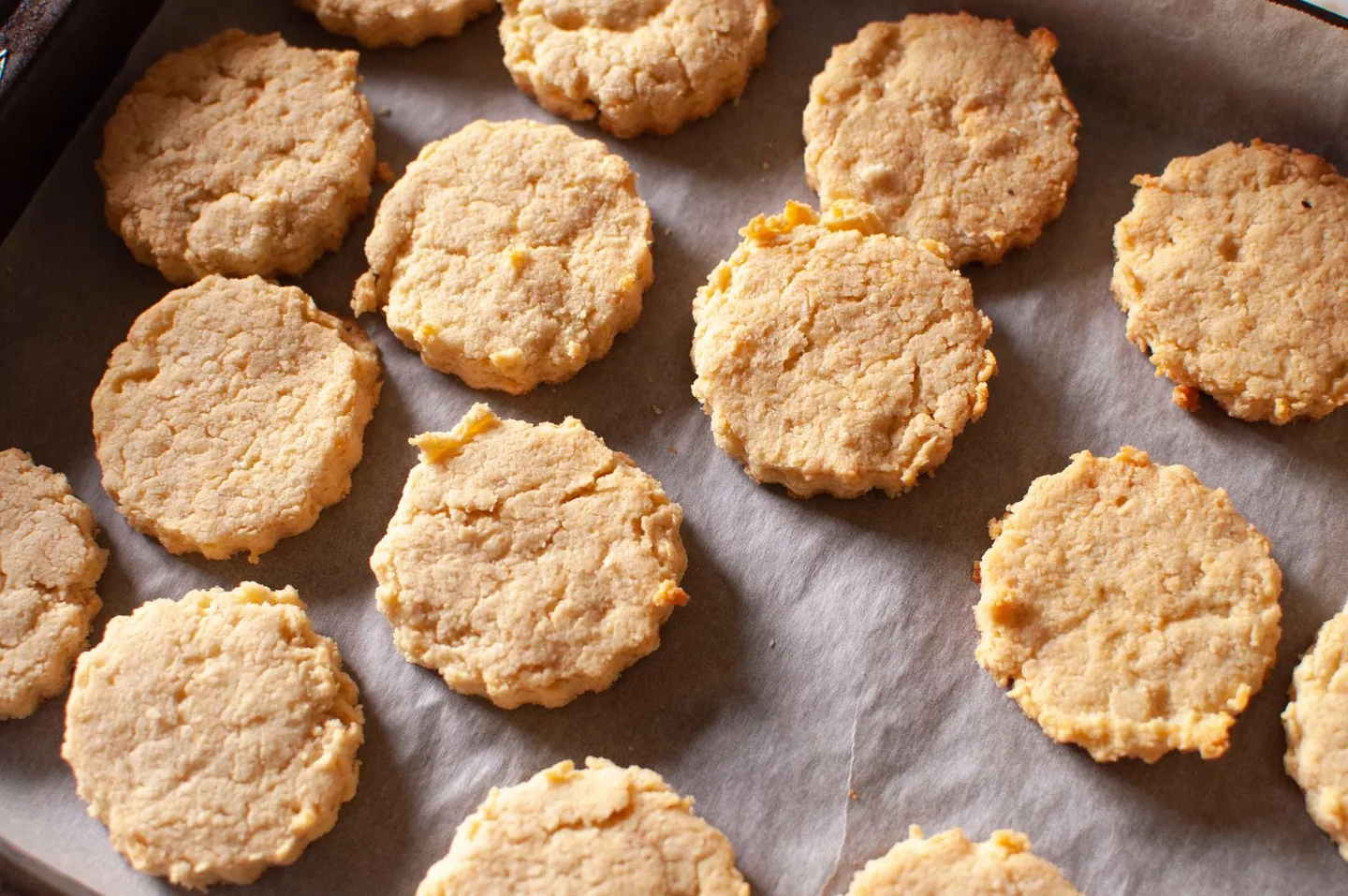
Cut the dough into squares and let a few shreds of cheese reach the outside. Those small details give a savory biscuit especially good edges.
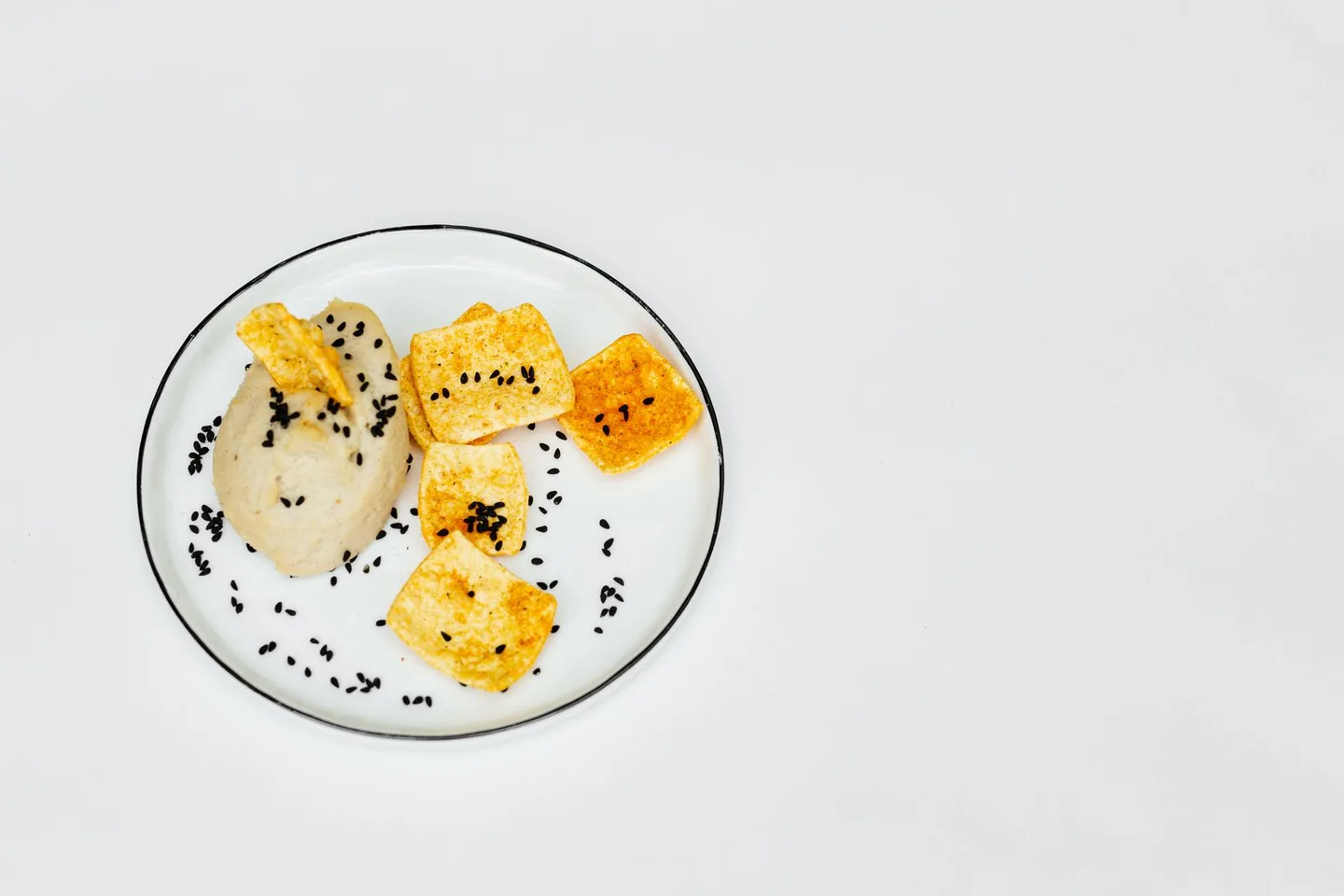
An olive oil dough becomes crisp through thickness, venting and a short final bake. Score one sheet and break it where you want it to break.
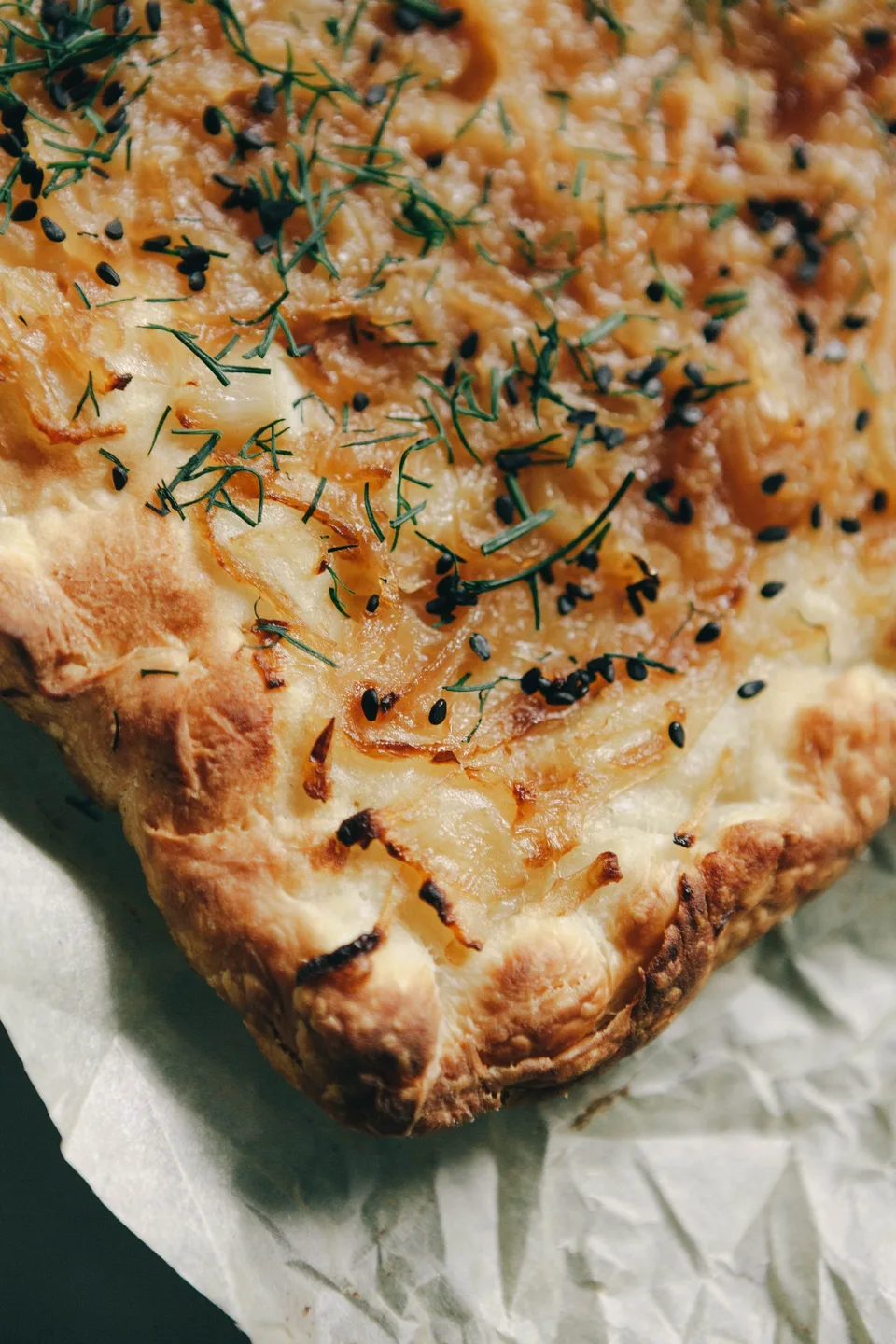
A shallow pan, a cold overnight rise and one generous layer of olive oil turn a wet dough into bread that slices neatly for sandwiches.
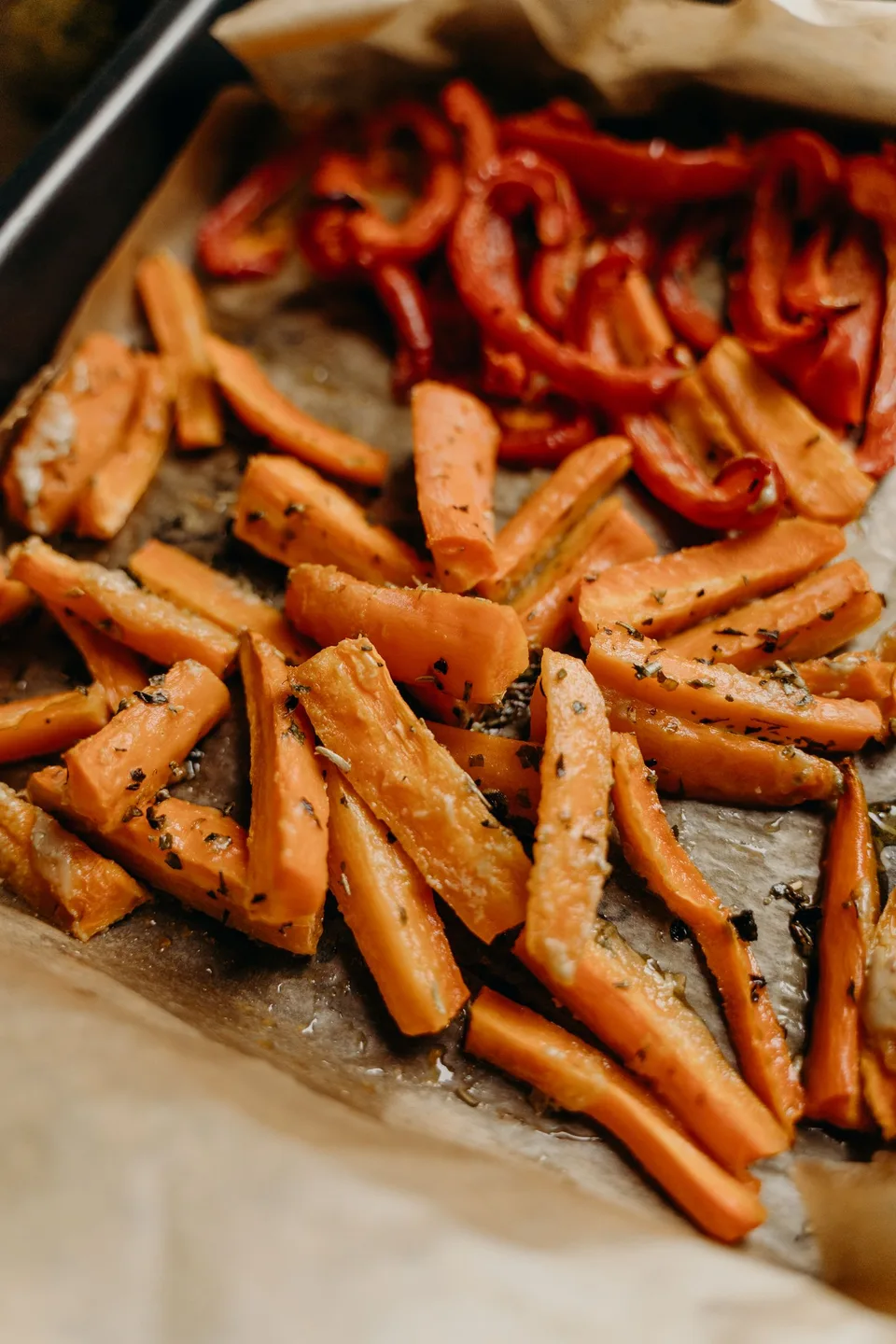
Learn to stagger a tray of carrots, broccoli, and chickpeas so each finishes at the right moment, then turn the result into dinner.
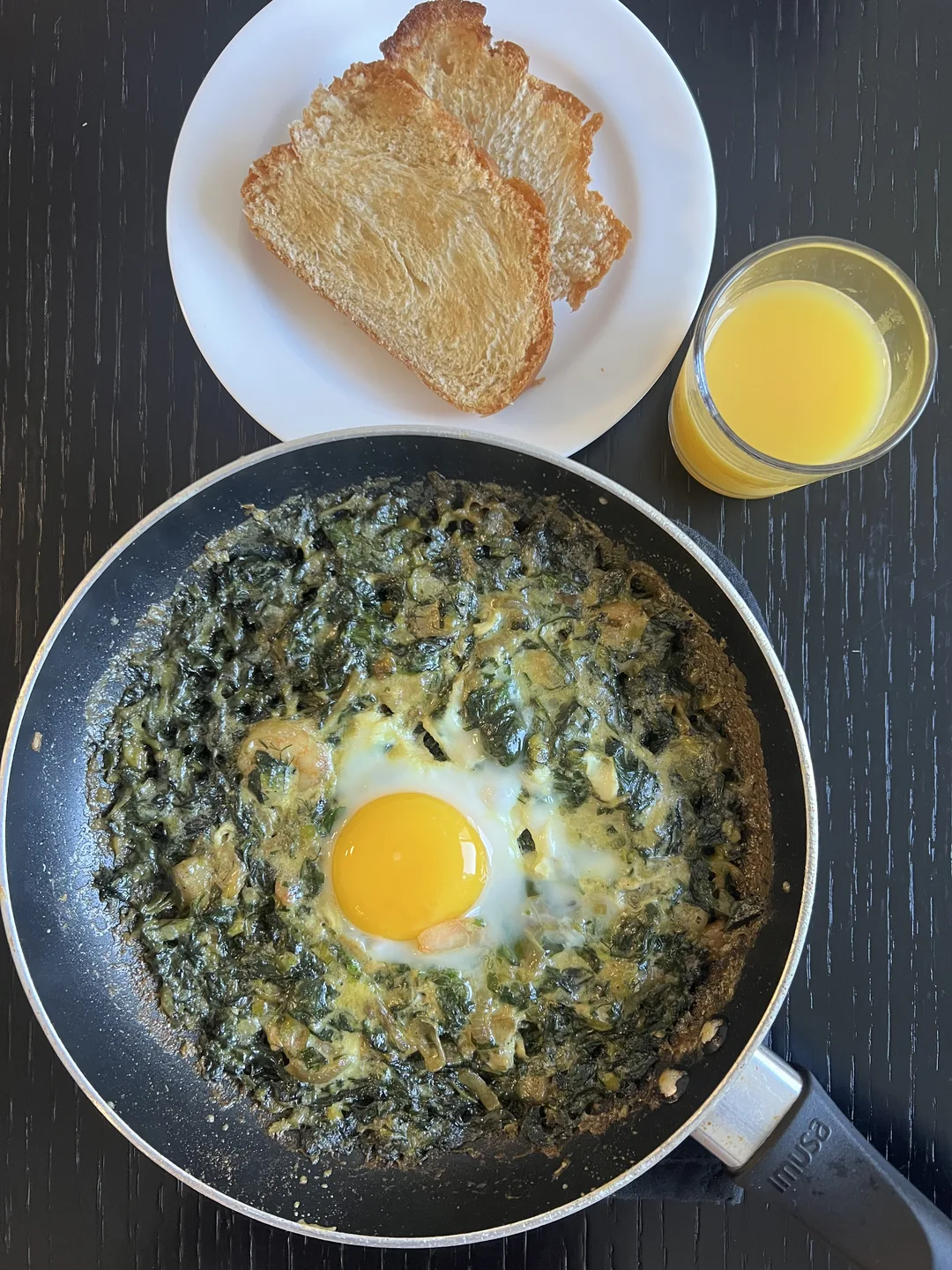
Cook the spinach first, move it out of the way, and use a lid only long enough to set the tops of the eggs.
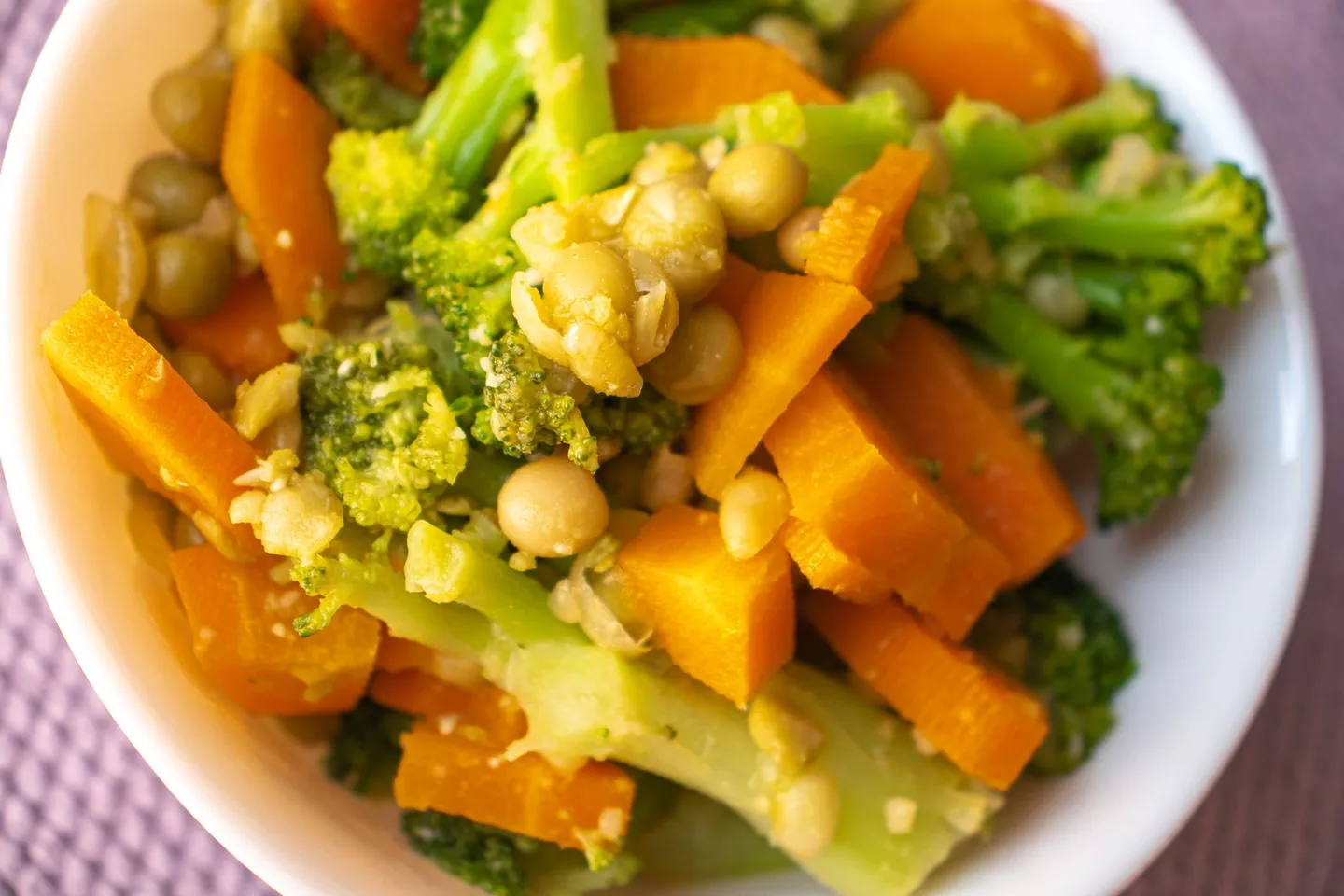
A little space in the basket and a sensible order of cooking make it possible to serve several vegetables hot, bright, and properly tender at once.
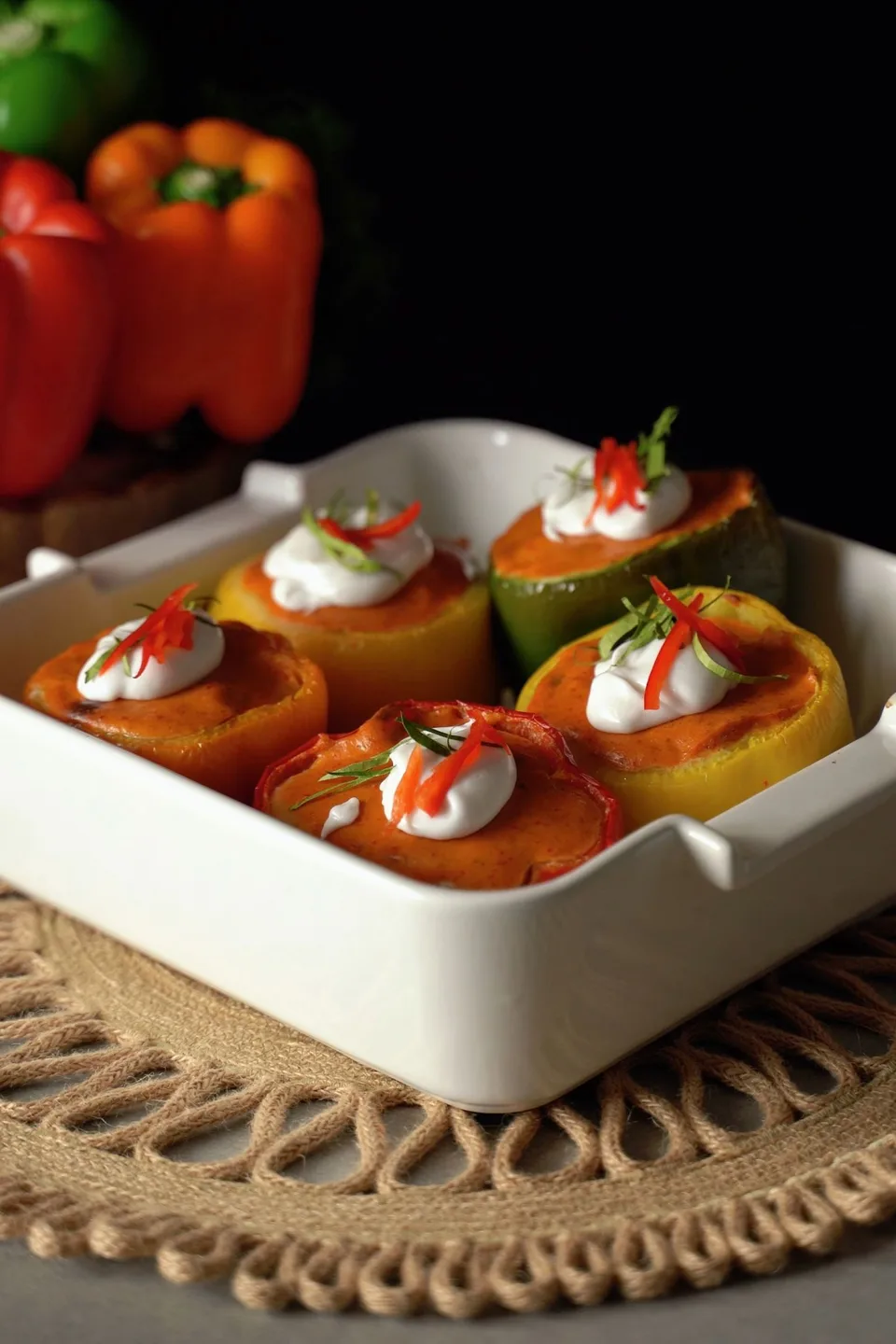
Roast peppers before stuffing, then use a skillet to turn cooked barley, mushrooms, and onions into a filling that stays in place.
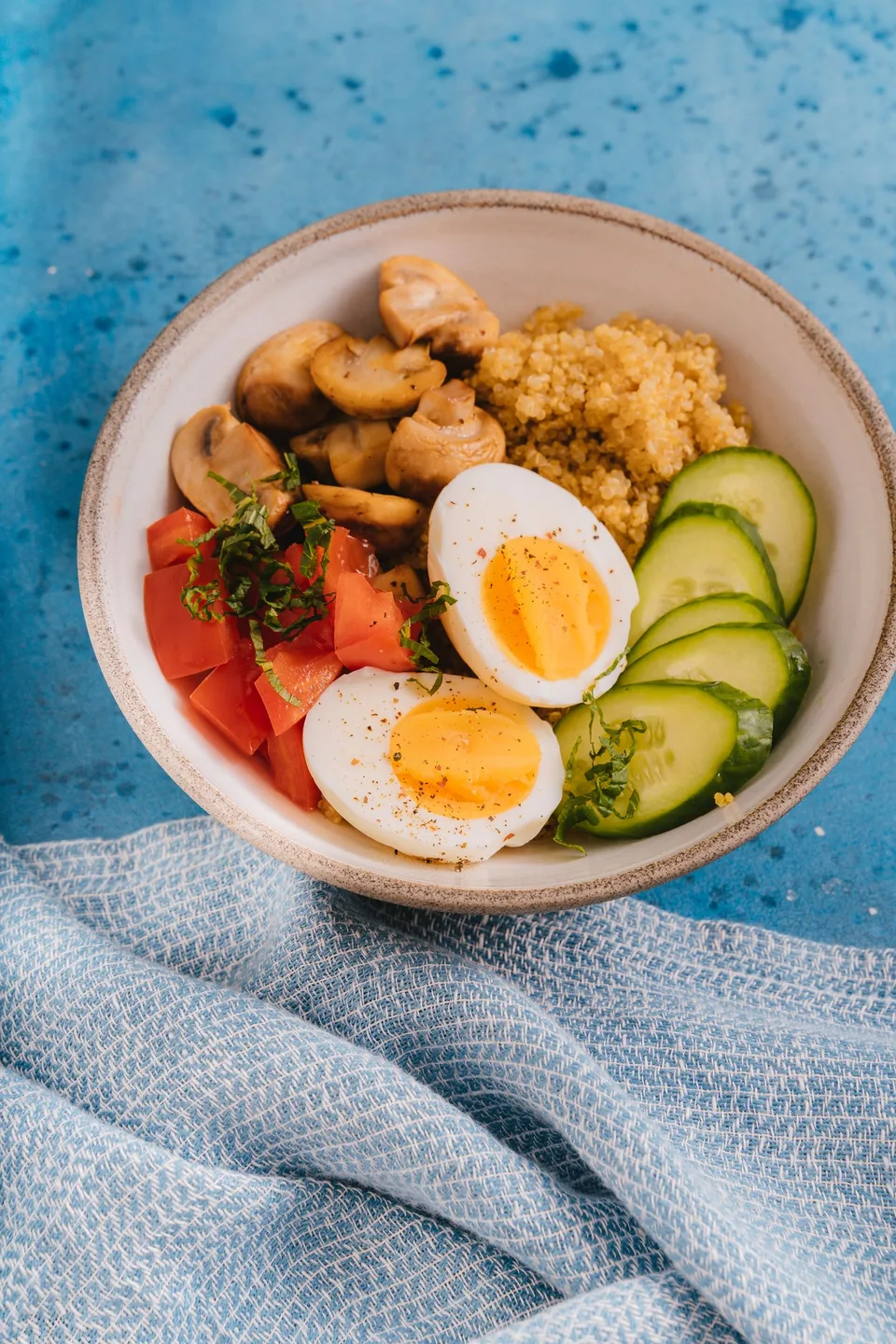
Chewy farro, tender quinoa, and coarse bulgur each ask something different of a lunch bowl. Match the dressing and vegetables to the grain you cooked.
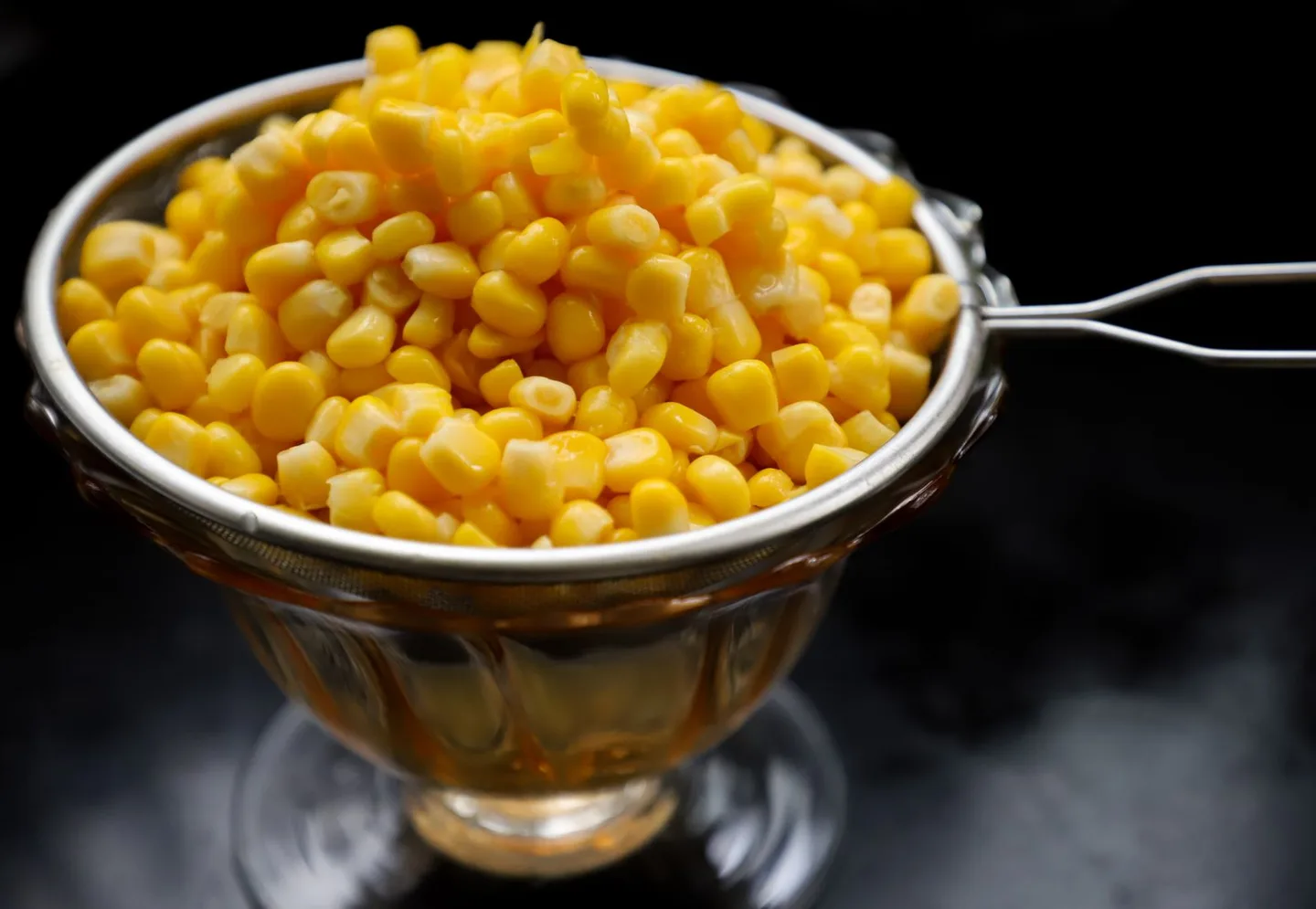
A coarse bag belongs in a pot of polenta, while a finer one changes the crumb of cornbread and the crust of a tray bake.
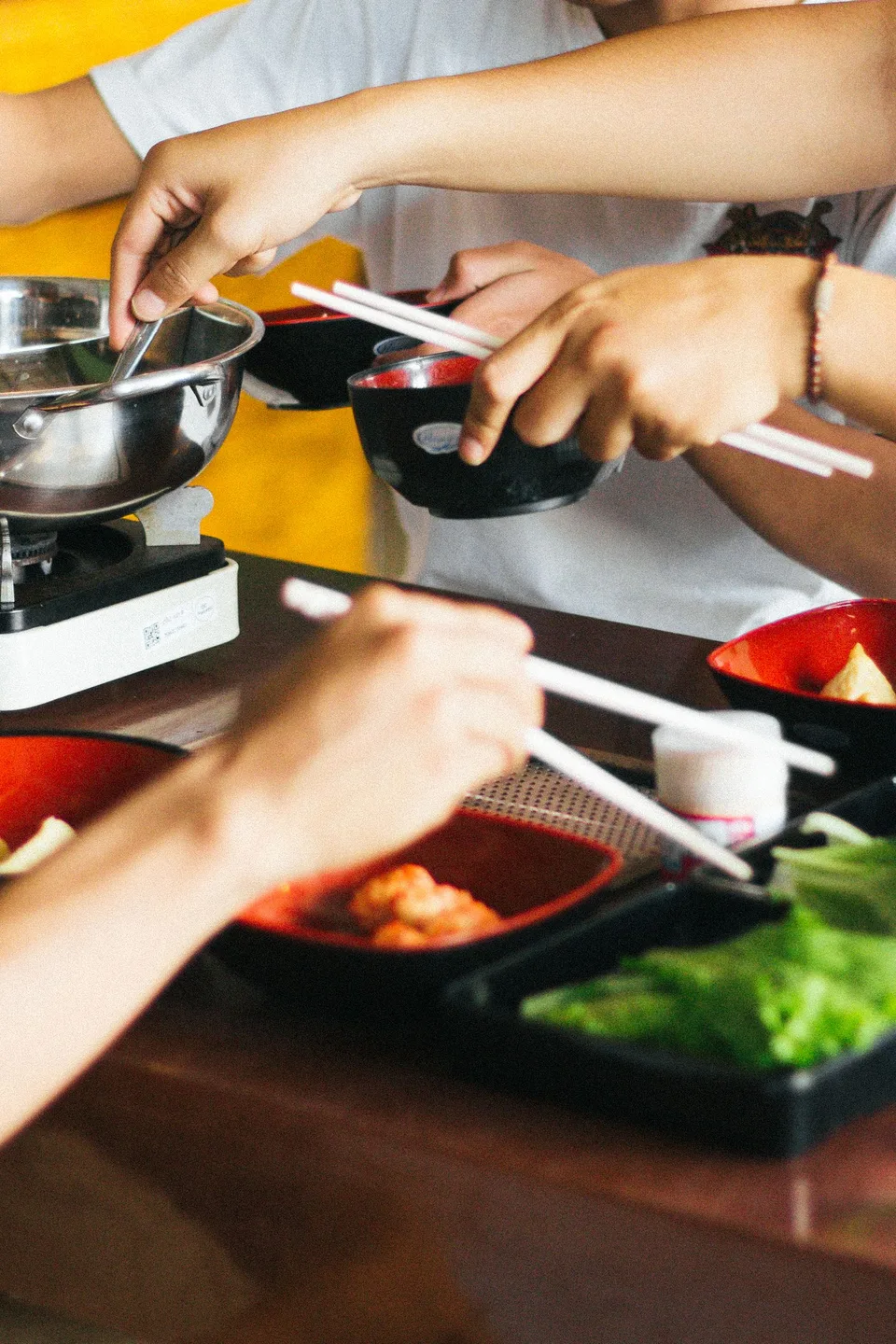
A shared pot makes the table part of the kitchen. Clear utensils, small batches and a little attention to the broth keep everyone involved.
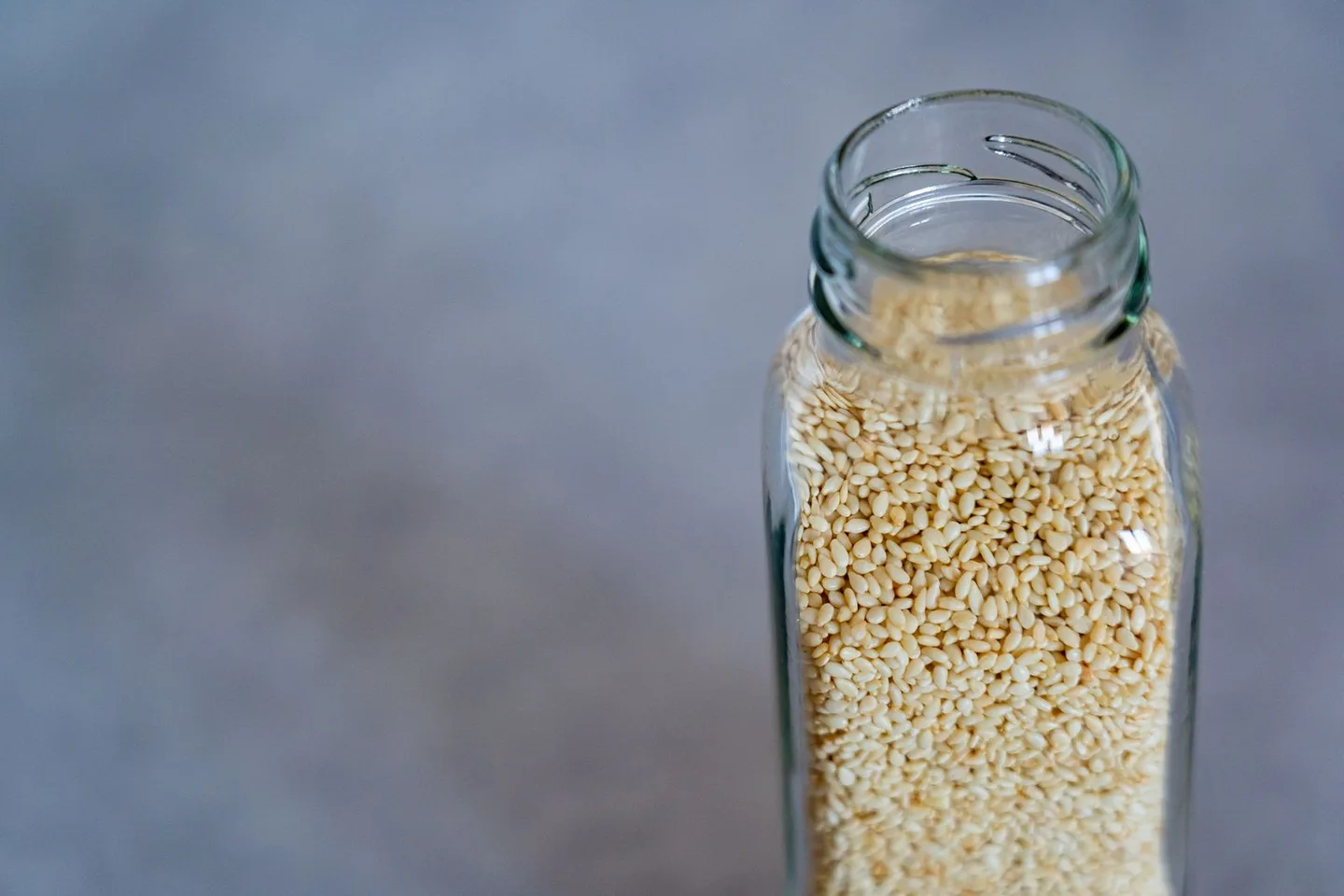
A jar of ground sesame seeds can season noodles, dress vegetables, and give shortbread a toasted edge. First get to know how the paste behaves.
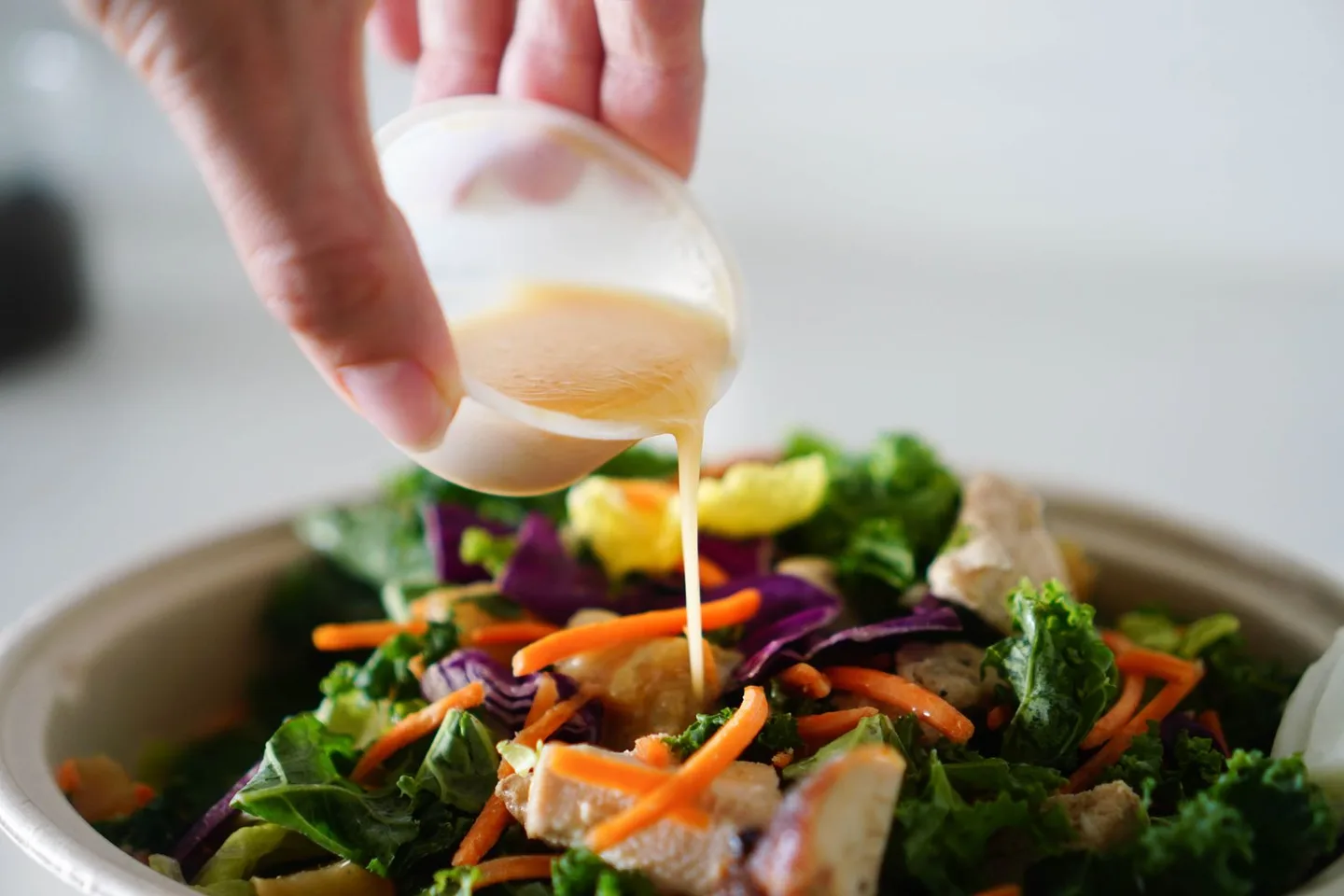
Make a small batch of vinaigrette, taste it with the ingredient it will dress, and learn what to adjust before it reaches the bowl.
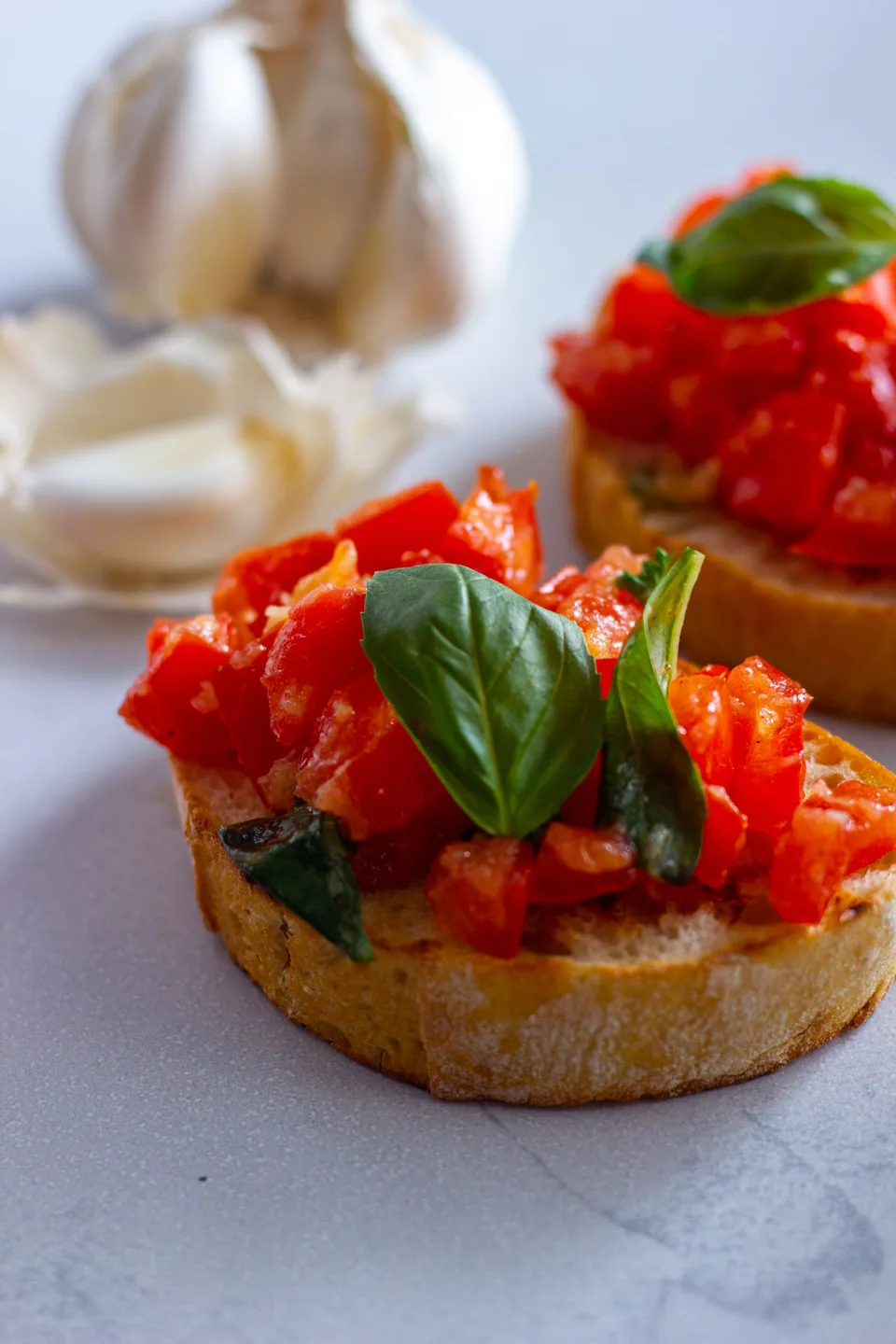
Keep the summer tomato juice and still get toast that can be picked up, with a quick bean spread and a small bowl for the good drippings.
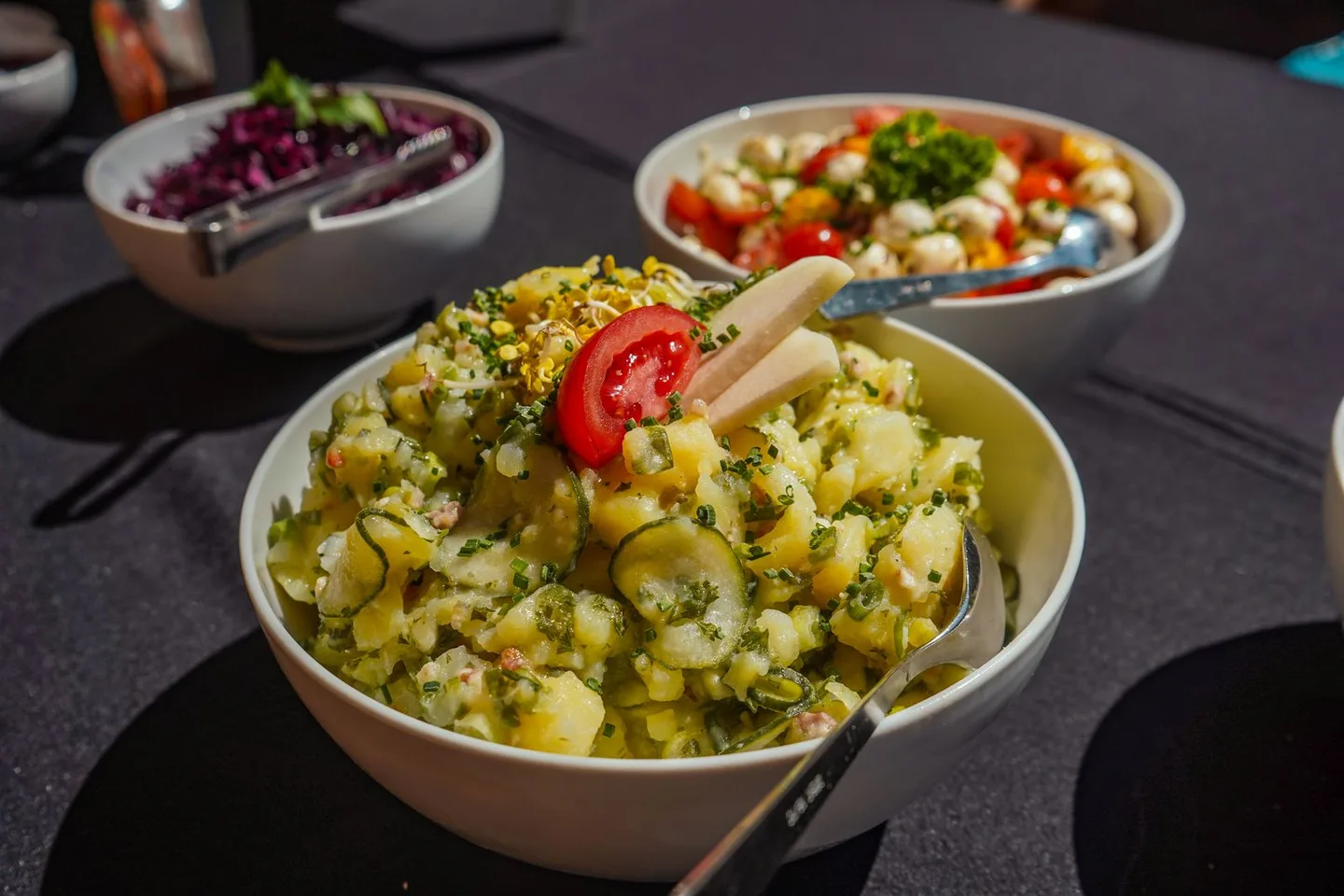
Start small potatoes in cool water, split them while warm, and add the mustard dressing in two passes so the skins and centers are seasoned.
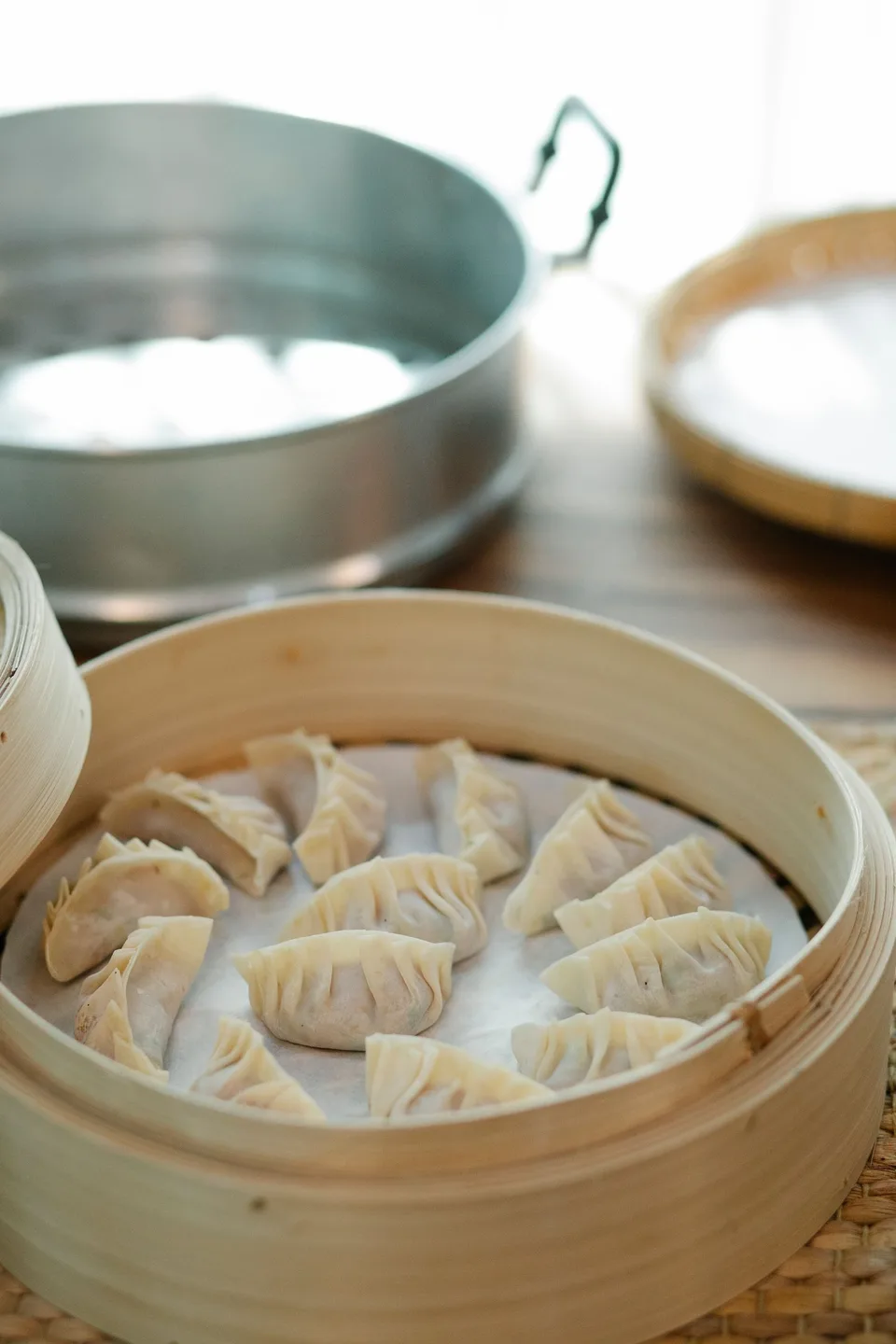
A dim sum table can fill quickly. Start with tea, order for the people at the table and leave room for the dish that appears halfway through lunch.
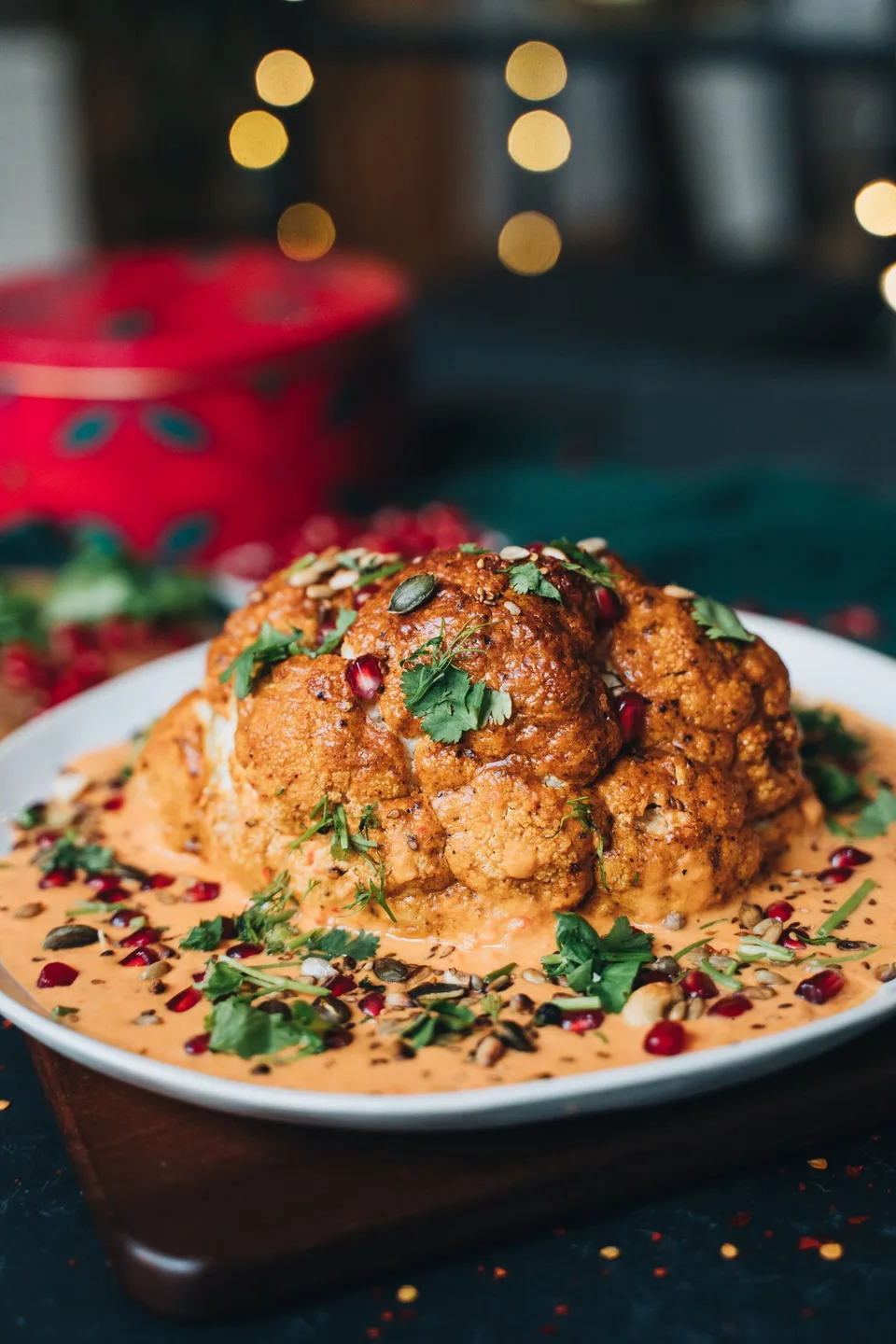
Break down a head of cauliflower for caramelized slabs, a pan of golden crumbs, and a lemony dinner that uses the tender leaves.
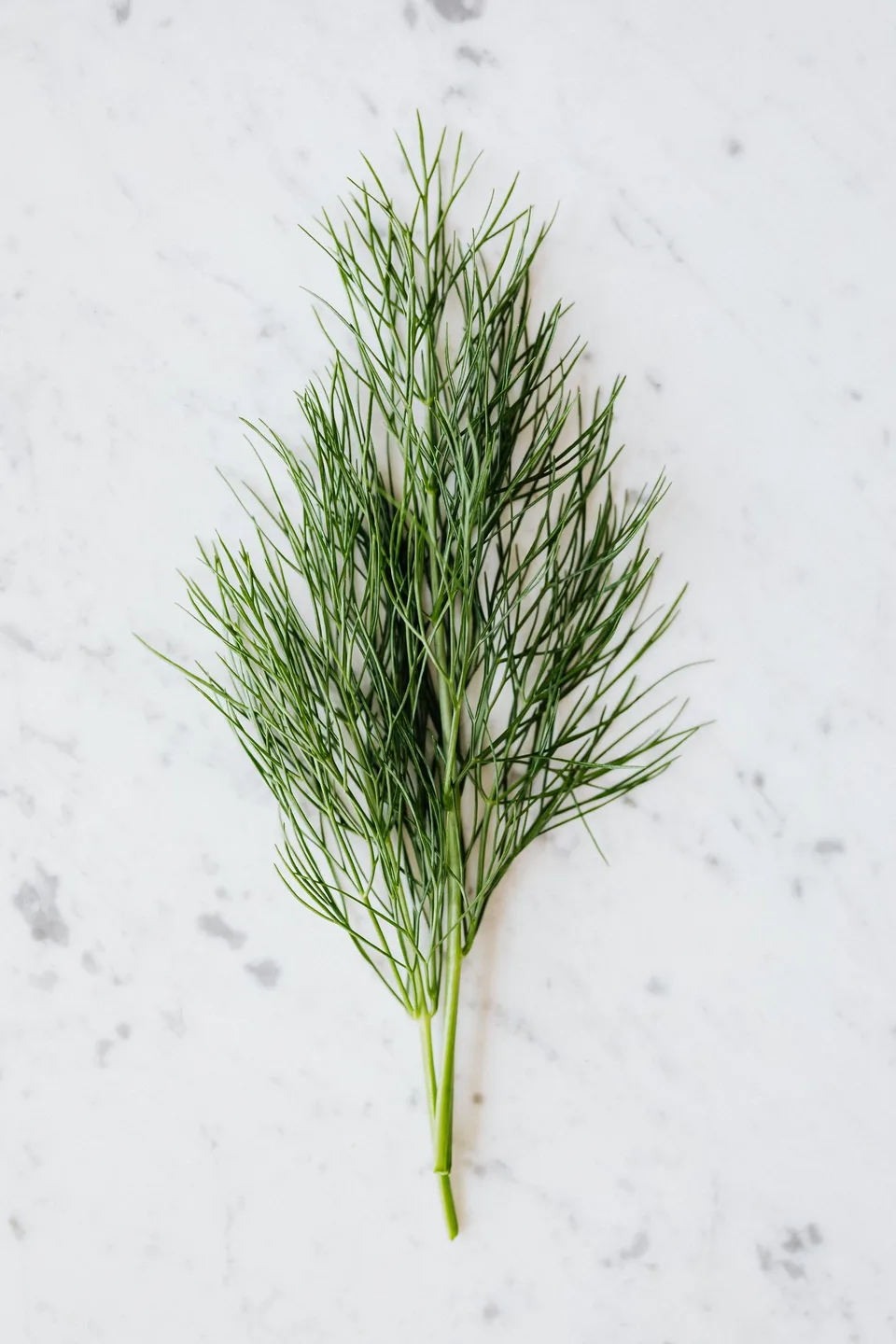
Divide fresh dill according to its texture, using the fine fronds at the table, the tender stems in cooking, and the extra leaves in the freezer.
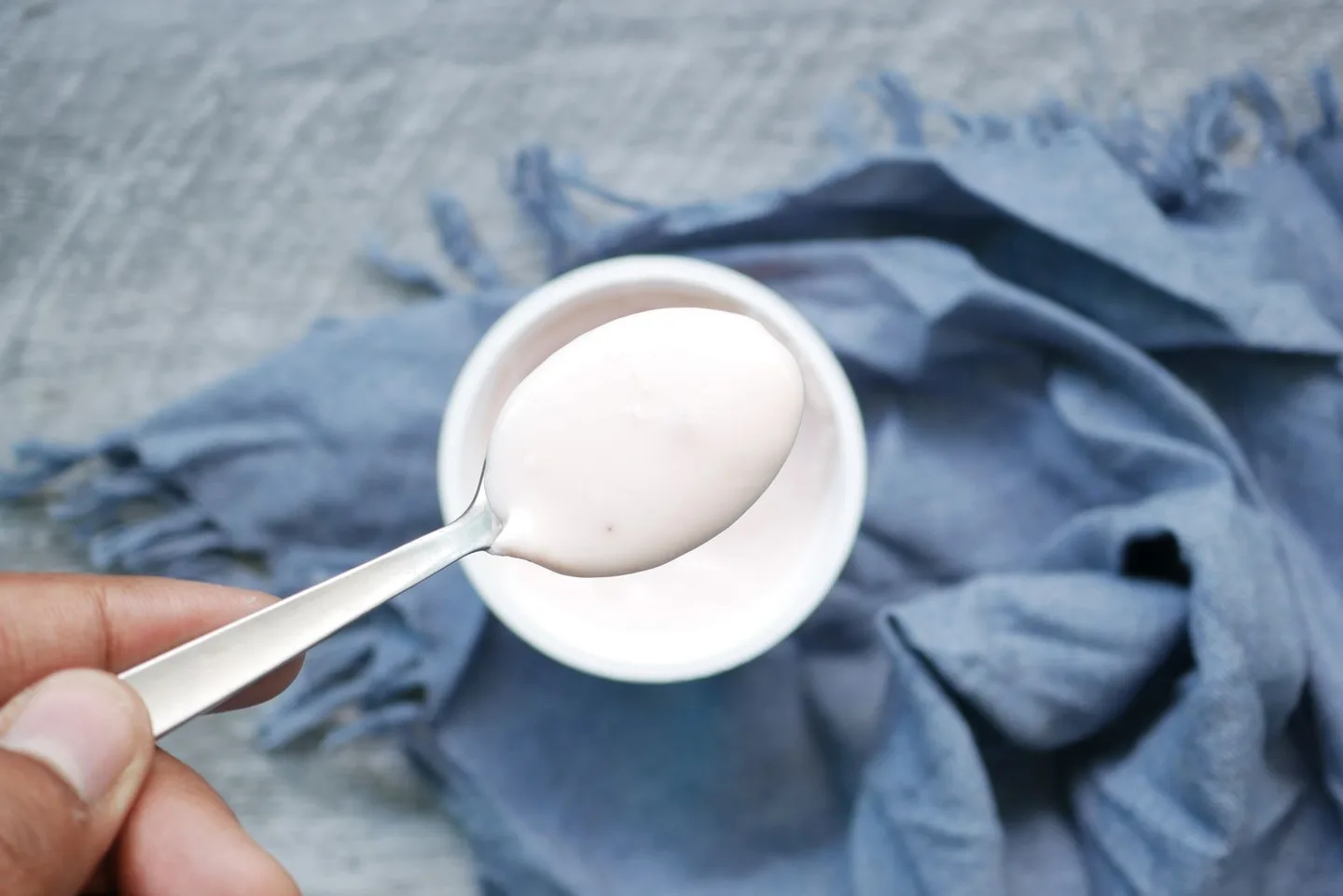
Put plain yogurt under hot vegetables, beside a spicy stew, or into a cold soup. Its tang does different work in each spot.